


The highly anticipated Galaxy S26 FE smartphone is about to inherit one of the most praised image capture tools on the current market. Recent leaked materials on the internet, which demonstrate physical units of the equipment, confirm the inclusion of horizon blocking in the camera interface. This specific image leveling functionality was, until now, exclusive to the manufacturer’s most expensive models, including the S26, S26 Plus and the top-of-the-line Galaxy S26 Ultra variants. The arrival of this option in the premium intermediate segment represents a significant change in the way content creators will be able to produce materials for social networks without investing in very high-cost devices.
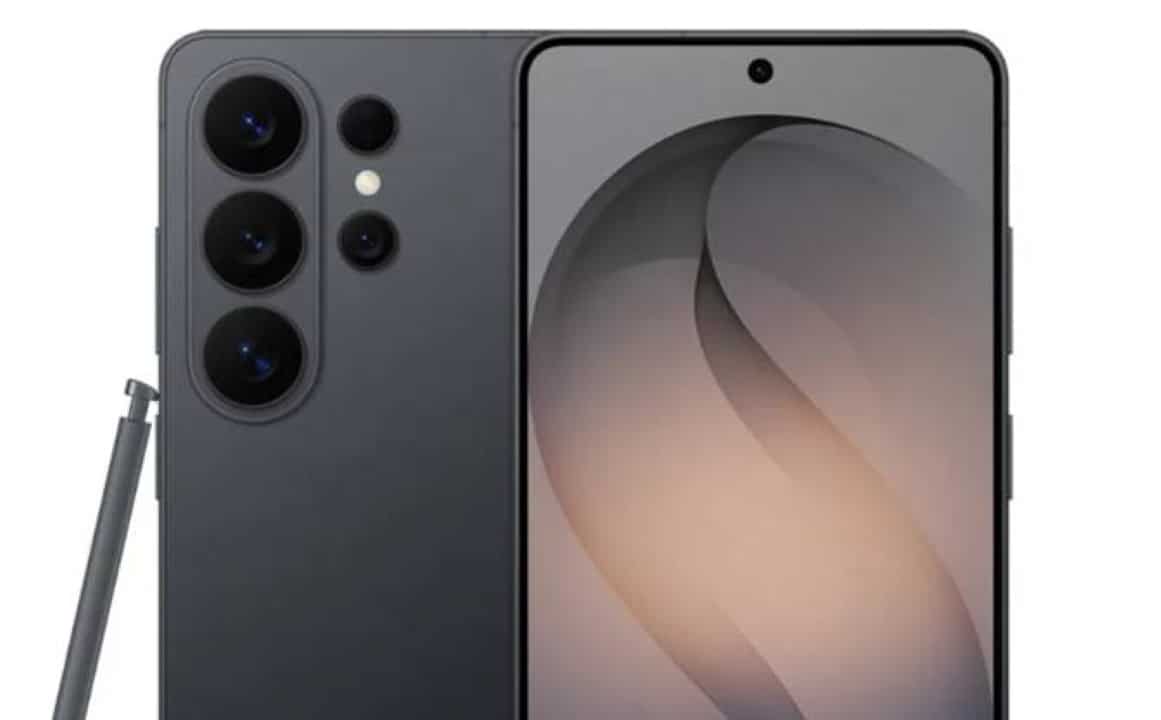
In the images released unofficially, the mobile phone appears sporting a very elegant violet color, maintaining the visual identity already established by the lens module of this year’s main family. When the video operator opens the native photography software, the icon corresponding to the horizontal lock appears clearly in the quick settings menu. This visual detail reinforces the authenticity of the material, since the graphical interface corresponds exactly to the standard adopted by the South Korean company in its most recent systems.
Continuous leveling mechanism transforms the quality of recordings on the go
Known technically in the brand’s ecosystem as Horizontal Lock, this system recently debuted as a direct improvement to the super stabilization mode. The tool works through deep integration between the phone’s physical gyroscope sensors and advanced image processing algorithms. This instantaneous communication between hardware and software ensures that the horizon line remains absolutely straight throughout the entire capture, regardless of the tilt of the user’s hands.
The practical impact of this technological innovation is very impressive to those who usually record action scenes or extreme sports. The system allows the person holding the cell phone to rotate the device’s chassis up to 360 degrees, while the resulting video remains perfectly aligned with the ground. Before this implementation, similar results could only be achieved with the use of motorized external stabilizers, known as gimbals, which require an extra financial investment and take up considerable space in content producers’ backpacks.
Expansion of exclusive features reinforces the purpose of the line aimed at fans
The usefulness of keeping the frame locked stands out especially in high-shake scenarios, such as trail running, cycling or walking over uneven terrain. Until now, the technology giant reserved this intense processing capacity only for the elite of its portfolio, including this year’s main series and the recently launched Galaxy Z Fold 8 foldables. The requirement for computing power to calculate frames in real time justified this restriction to the most powerful processors on the market.
If the veracity of the videos in circulation is confirmed in the coming days, the Galaxy S26 FE will assume the role of pioneer in making access to this cutting-edge technology cheaper. Since the creation of the Fan Edition nomenclature, the company’s commercial strategy has consisted precisely of selecting the features most praised by consumers in expensive devices and packaging them in a slightly more modest body. This democratization of advanced tools puts considerable pressure on competing companies, who will need to improve the camera capabilities of their own devices to avoid falling behind in sales.
Leaked technical sheet details the internal components of the new mobile device
In addition to exposing the camera’s software tricks, the video records served to validate a series of rumors that were already circulating on specialized technology forums. The set of specifications points to robust hardware, capable of handling the demands of the Android 17 operating system, which will run under the customized One UI 9 interface. Power management will be handled by a battery tank with a capacity of 4,900 mAh, designed to support a full day of intense use with the screen operating at its maximum refresh rate.
To ensure that the consumer understands exactly what the device has to offer, the informants detailed the main components that form the heart of the smartphone. The parts list indicates a careful balance between raw performance and manufacturing cost control.
- Exynos 2500 main processor, developed with state-of-the-art lithography for greater energy efficiency.
- Front panel with AMOLED technology and fluid 120 Hz refresh rate for smooth browsing.
- Support for 45 W fast charging, allowing you to fill the battery in just a few minutes at the socket.
- 50-megapixel main photographic sensor, accompanied by a 12-megapixel ultrawide lens and an 8-megapixel telephoto camera.
Hardware evolution focuses on processing to justify the generation change
A thorough analysis of the technical characteristics reveals that much of the physical structure will be inherited directly from its immediate predecessor, the Galaxy S25 FE. Last year’s model already gave consumers the same 6.7-inch display, the same battery capacity and an identical optical assembly on the back. This recycling of components is a common practice in the industry to maintain the profit margin at acceptable levels, avoiding passing on excessive research and development costs to the final price on the showcase.
The true generational leap, therefore, lies in the replacement of the old Exynos 2400 chip with the unprecedented Exynos 2500. It is precisely this new electronic brain that provides the brute force necessary to process complex artificial intelligence algorithms and enable demanding functions such as real-time horizon leveling. With physical changes being minimal, software improvements take on the role of absolute protagonists in the marketing campaign that will try to convince users to upgrade their old phones.
Indications point to an imminent launch in the global telephone market
The Asian brand’s executives maintain absolute silence about the existence of the product, not even confirming the device’s commercial name or an official launch window. However, the recent history of the telecommunications market shows that when finished units, with packaging and software running perfectly, begin to appear in the hands of third parties, the global announcement is just a few weeks away. The level of finish of the purple device seen in the images leaves no doubt that mass production has already started in Asian factories.
The arrival of this equipment on shelves should boost sales in the last quarter of the year, offering a robust alternative for consumers looking for high photographic performance without emptying their bank account. Expectations now revolve around the official invitation to the presentation event, where all recording capabilities, suggested prices and regional availability dates will finally be revealed to the public and the specialized press.





