
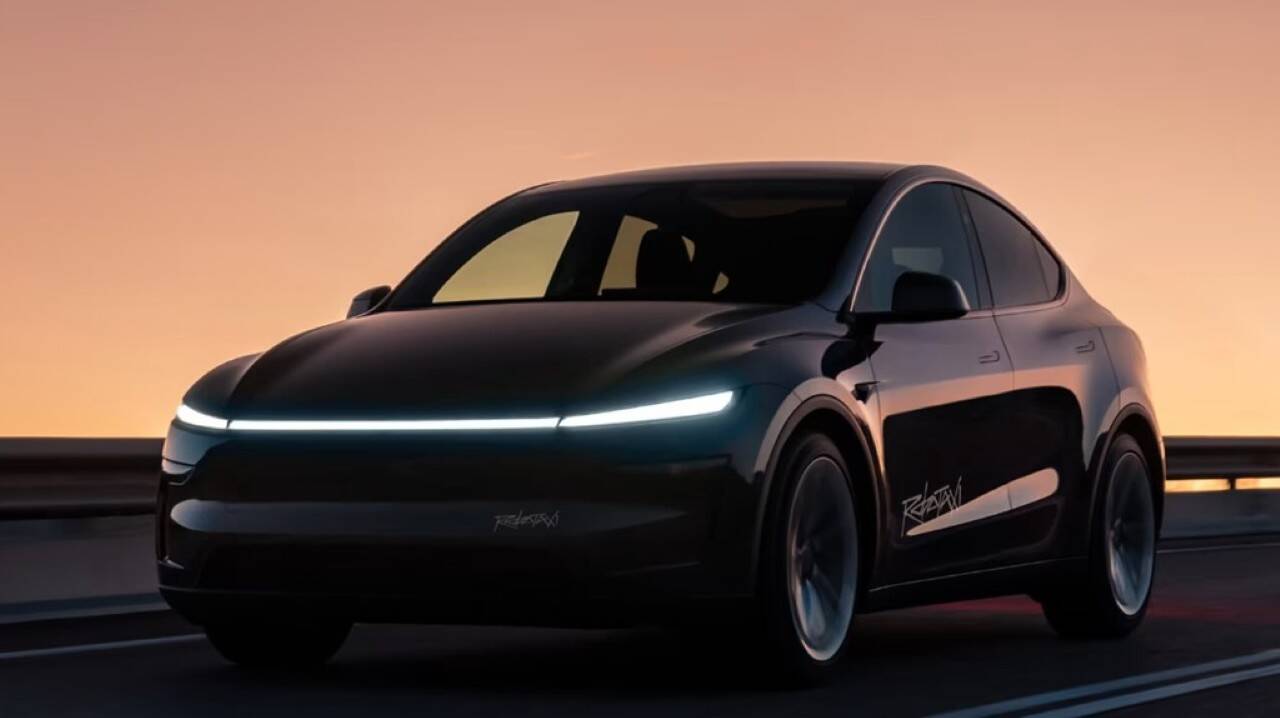
Tesla faced a substantial court ruling and had information about a fatal accident exposed by a hacker, at a crucial time preceding the launch of the Cybercab fully autonomous vehicles. The company had claimed it did not have data on a serious collision, but an expert’s intervention revealed otherwise, raising serious questions about the transparency of its advanced driving systems. In February 2026, a court decision forced the automaker to pay million-dollar compensation.
Million-dollar lawsuit exposes flaw in Tesla’s autonomous vehicle
The case began in March 2024, when Neima Benavides and Dillon Angulo filed a lawsuit against Tesla. The court case occurred after a Tesla, operating in autonomous mode, collided with a parked car, resulting in the death of Naibel Benavides Leon and serious injuries to Angulo. The tragedy has brought to light discussions about the safety and responsibility of vehicles using assisted driving technology.
In August 2025, a jury found Tesla partially to blame for the accident. Subsequently, in February 2026, a judge rejected the appeal presented by the electric car manufacturer, confirming the initial decision. This development set a precedent for future liability analyzes in incidents involving artificial intelligence in traffic.
Hacker debunks the company and reveals access to crucial data
During the process, a fundamental piece of evidence was missing: the accident data. Tesla’s Autopilot system is designed to record video of the five seconds leading up to a collision, sending it directly to the company’s headquarters. However, Tesla claimed that it did not have the requested information. Thomas Branigan, Tesla’s outside counsel, informed the plaintiff’s attorney that “The data transmitted to Tesla includes neither the video of the accident nor the images captured” and that “Tesla cannot produce an ‘enhanced’ video.”
The company’s narrative was debunked by a hacker known by the pseudonym @greentheonly. The specialist, who had previously worked for Tesla reporting software vulnerabilities through a bounty program, managed to recover the data from the flaw. He proved that Tesla did, in fact, have access to this information, as he stated in interviews.
Green said, “To any reasonable person, it was obvious that the data was there.” The hacker also mentioned that the security of Tesla vehicle accident data was tightened after the incident, making it difficult to extract the information currently.
Tesla conviction and impact on security policies
Tesla was ordered to pay $243 million in compensation to the grieving family. In addition to the financial amount, the company implemented significant changes, renaming its Autopilot and Full-Self Driving features. The aim was to make it clear that human supervision is indispensable and that drivers should not allow their cars to drive without constant monitoring.
The controversy over the data and the conviction reinforce the importance of transparency and corporate responsibility in the development of autonomous technologies. The court ruling highlights the need for manufacturers to maintain complete and accessible records, especially in cases of fatal accidents, to ensure justice and public safety.
Autopilot incident history accumulates
Tesla’s autonomous vehicles continue to be involved in high-profile accidents. Reports from the company itself and the National Highway Traffic Safety Administration (NHTSA) indicated that Teslas with active driver assistance systems were involved in 207 accidents in May, the highest number ever recorded.
Among recent incidents, San Francisco 49ers coach Kyle Shanahan was involved in a collision in a Tesla that he said was in Autopilot mode. Shanahan reported that his car entered the oncoming lane at a low speed as he turned to retrieve his cell phone from the backseat. He told a press conference: “Who knows what happened when I turned around. Whether there was a malfunction or whether I dropped it. That’s something I don’t know yet.”
In March, the NHTSA intensified an investigation into the automaker, focusing on accidents that could have been caused by flaws in Tesla’s autonomous driving software. This investigation underscores the growing concern of regulatory authorities about the safety and reliability of autonomous systems.
Launch of Cybercabs is questioned amid controversy
Elon Musk’s plans to launch Cybercabs, fully autonomous vehicles without human intervention, may be impacted by these recent controversies. Concerns surrounding the performance of Autopilot in Tesla cars, coupled with the company’s lack of transparency regarding accidents, raise doubts about the readiness to implement fully autonomous robotaxis.
The alleged manipulation of numbers to make their cars appear safer intensifies the necessary caution. Tesla did not immediately respond to requests for comment on these recent developments. It is critical that as autonomous driving technology advances, responsibility and safety are top priorities, preventing cases like this from recurring.
Important facts about the Tesla lawsuit and conviction
- March 2024:Neima Benavides and Dillon Angulo file lawsuit against Tesla after fatal accident.
- August 2025:Jury finds Tesla partially to blame for the collision.
- February 2026:Judge denies Tesla’s appeal, confirming the guilt decision.
- Compensation value:Tesla is ordered to pay US$243 million in compensation.
- Company shares:Renamed the Autopilot and Full-Self Driving features to emphasize the need for human supervision.





