
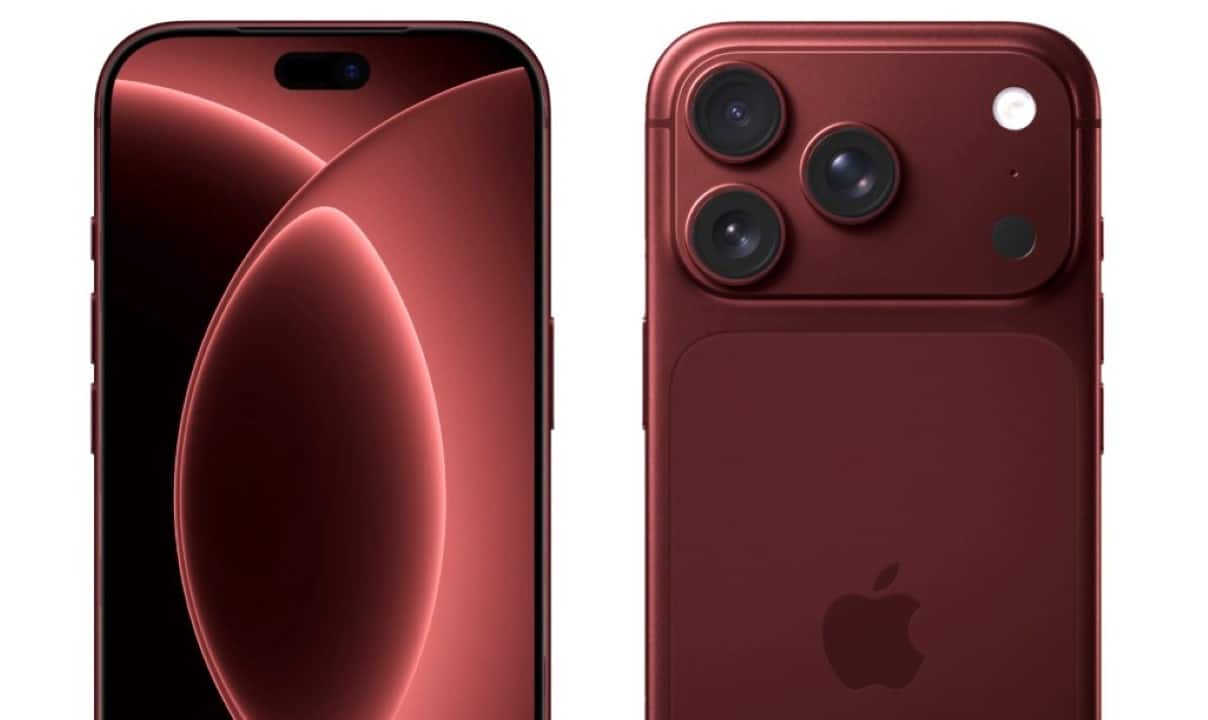
Apple is finalizing preparations to introduce a limited edition mobile device with a translucent finish aimed at the global market. The North American manufacturer established an unprecedented standard for this production line, implementing profound modifications to both the internal architecture and the external chassis of the device. The official launch is scheduled to take place simultaneously in several countries over the next few weeks, bringing back the bold aesthetic seen in the classic G3 iMacs from the late 1990s. To prevent information leaks, strict industrial security protocols have been implemented at the facilities. Factories in the United States work together with legacy component suppliers to completely remodel the equipment structure. Meanwhile, final assembly at Asian plants has been accelerated to ensure the first batches are available before the peak tourism season, requiring logistics partners to operate a highly complex supply chain.
New aerospace materials transform the device’s visual identity
The new equipment abandons the traditional aluminum alloy in favor of a translucent rear panel made from sapphire crystal. This bold engineering decision allows the internal circuitry to be fully visible, something unprecedented in the brand’s flagship smartphone series. A custom logic board was uniquely developed to ensure internal components present a refined aesthetic appeal under glass. The company also applied a special metallic coating to the connection nodes, an essential measure to prevent oxidation of the new exposed structure. Initial tests conducted in experimental laboratories prove that the glass’s impact and scratch resistance exceeded rigorous industry standard assessments.
The edges of the smartphone adopt aerospace-grade titanium, a material widely recognized for its lightness and extreme physical resistance against impacts, consolidating the transition started in the brand’s most recent generations. Traditional physical buttons have been replaced by solid-state sensors with high-precision tactile feedback. A thick protective frame has been built to seal the interior against dust and water, making the device highly safe for extreme use. The external finish has a matte texture, a feature that prevents fingerprints from adhering during daily use. Furthermore, the side bezels and rear glass are perfectly integrated, eliminating any sharp edges that could compromise user ergonomics.
On the same topic: Apple prepares to launch smartphone with transparent glass back and giant battery
To accommodate the new components, the phone’s internal architecture had to be entirely redesigned by engineers. This structural change significantly optimizes the thermal management of electronic parts during periods of intense use. A cooling system made of high-conductivity copper alloy has been strategically positioned between the sapphire back and the titanium bezel. The assembly of these internal parts requires the work of highly qualified technicians, given the extremely fragile nature of the transparent casing before its final sealing. As a result of these mechanical adaptations, the physical dimensions of the device have slightly increased by a few millimeters in each axis.
Long battery life and advanced heat dissipation systems
The device houses a battery with a capacity of 5,200 mAh, consolidating itself as the largest energy tank ever used in this series of products from the manufacturer. Physically expanding the chassis was a necessary step to create enough space for the new rectangular battery box. Due to the translucent design, the energy cells were carefully wrapped in a special black film, maintaining the visual harmony of the set. Lithium-ion batteries have been improved through new chemical compounds that increase the component’s energy density. This technical change enables a significant increase in autonomy of use, without resulting in a longer recharging time at the socket. A titanium heatsink has been installed just below the screen to disperse temperature during fast charging, ensuring the device retains power for long periods of intensive tasks.
The manufacturer implemented an extensive vapor chamber cooling system to control the heat generated by the high-capacity battery and central processor. One of the modules of this cooling system directly covers the motherboard, maintaining a uniform temperature throughout the entire structure. When the phone runs heavy applications, this mechanism prevents performance degradation caused by thermal throttling, a common problem in high-performance mobile devices. Laboratory reports indicate that the device can sustain its maximum processing capabilities for several uninterrupted hours without overheating. An advanced network of temperature sensors continuously monitors the thermal state of the equipment in real time.
Next-generation processor boosts artificial intelligence capabilities
The smartphone is powered by an unprecedented chip manufactured using 2 nanometer technology, which represents a gigantic generational leap in semiconductor processing. The space saved by the miniaturization of transistors was used to multiply the number of physical cores in the processor. The design of this silicon focuses its efforts on improving the execution of artificial intelligence algorithms directly on the device’s hardware. The neural engine architecture has been completely re-engineered to process complex machine learning models in real time. Equipped with 12 GB of RAM, the device offers enough space to run generative AI models locally. The system can interpret commands in natural language without depending on connections to cloud servers, while battery saving and memory management are strictly controlled by the operating system.
More on this story: Apple launches smartphone with transparent back and 5,200 mAh battery for the global market
The combination of cutting-edge hardware and highly optimized software delivers notable improvements to your everyday usage experience. The device introduces specific technical benefits in various practical application scenarios:
- Real-time navigation through complex 3D environments and execution of extremely graphically demanding games.
- Professional high-resolution video editing with instant rendering capabilities.
- Fluid execution of multidimensional modeling and heavy graphic design software.
- Simultaneous processing of multiple voice commands and text inputs without any noticeable delay.
The integration of basic quantum computing principles makes this level of processing accessible to everyday users at the exact time they need it. The dedicated processing unit accelerates complex mathematical operations that are fundamental to the functioning of machine learning algorithms. After proving the power and energy efficiency of this architecture, the brand is now evaluating the adaptation of these same chips to equip its next generation of portable computers.
Larger screens and invisible integration of biometric sensors
The dimensions of the display have been increased in this new generation, jumping from 6.3 inches in the standard version to an imposing 6.9 inches in the larger model. Custom OLED panels are employed in the assembly, delivering excellent refresh rates and maximum brightness ideal for viewing in direct sunlight. The screen assembly line uses an unprecedented color coating process with anti-reflective properties. The engineering team reduced the edges of the display to the minimum possible limit, preserving only the space strictly necessary for the front camera. The internal cable routing and connector positioning underwent drastic changes to overcome the physical limitations of this new format.
The facial recognition and ambient light sensors have been relocated to the bottom of the display, taking advantage of the transparency of the glass. This radical change decrees the end of the need for a deep notch in the upper area of the screen. The high-resolution photo sensor captures light directly through the translucent glass layers. To ensure quality, the system uses special algorithms that correct any optical distortion caused by transparent screen overlays. Even with these physical barriers, the speed and accuracy of biometric reading were fully maintained.
Learn more: Apple launches smartphone with transparent back and extended battery for the international market
Adaptive photographic module and advances in satellite communication
The rear photographic module has been redesigned with lenses focused on capturing images in very low light conditions and macro autofocus. The main lens sports a variable aperture system, allowing you to physically adjust the light input according to the surrounding environment. This lens has an anti-reflective optical coating that minimizes glare and unwanted reflections on intense sunny days. The 2 nanometer chip performs real-time corrections in photographs, enhancing fine details and shadow areas. Video recording capabilities have been expanded to support high frame rates at cinematic resolution. The processing of raw sensor data occurs in the final stage of the software, preserving color fidelity and drastically reducing digital noise.
To ensure the effectiveness of satellite communication, the layout of the antennas had to be entirely modified. Current transmission lines pass through the titanium frame and internal structure without registering any signal loss. The device is equipped to manage satellite connections in multiple frequency bands, ensuring the sending of emergency messages in remote areas. Configuration via eSIM is given absolute priority as the physical SIM card tray has been removed to maximize water and dust resistance. New cell phone lines undergo rigorous testing using digital routing systems.
High-level technical assessments are taking place in Asian factories on an unprecedented industrial scale. The assembly line conveyors operate at maximum capacity to meet the gigantic demand estimated for the end of year festivities. International logistics networks are already preparing fleets of cargo planes to carry out the simultaneous distribution of batches towards global markets. Automated inspection systems check the alignment between the transparent chassis and the titanium structure to the millimeter. High-resolution cameras scan each unit that passes through the conveyor belt, seeking to identify even the most imperceptible micro-scratches on the glass or metal before final packaging.