
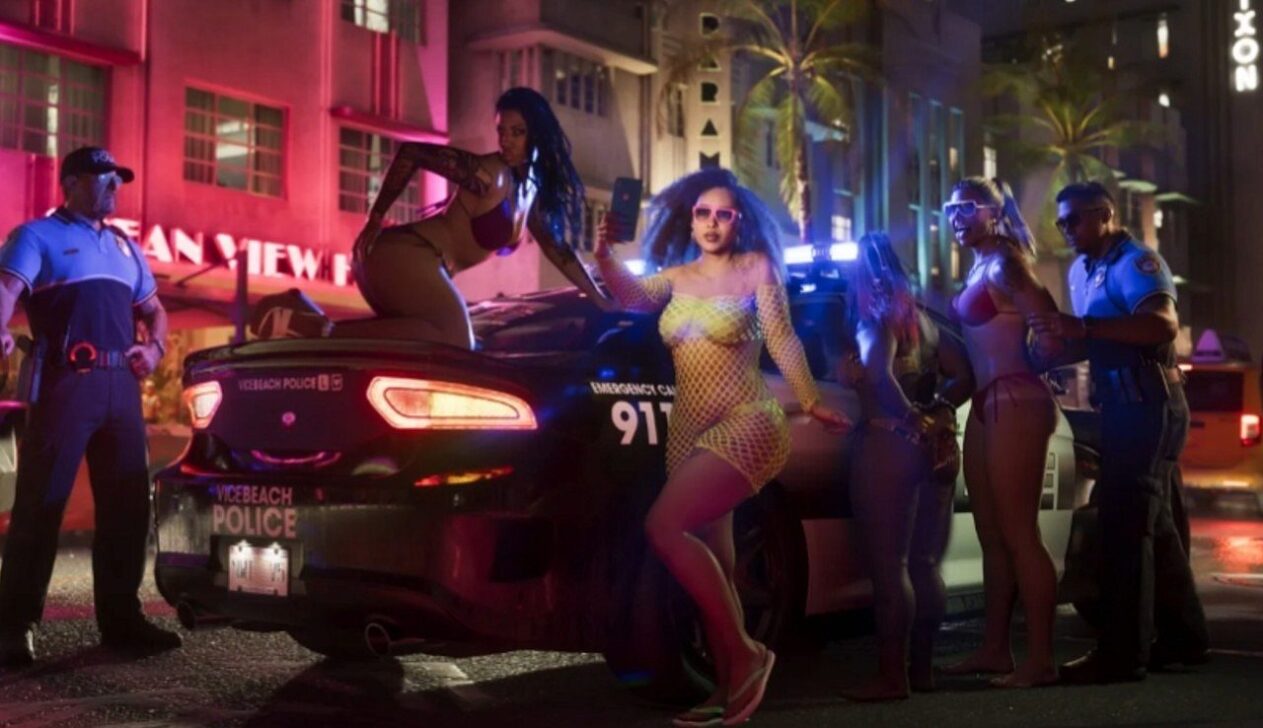
Excerpts supposedly belonging to Grand Theft Auto VI began circulating on the internet from August 18th, originating from the Cyberleek group. In the same period, videos created by artificial intelligence were also shared, posing as authentic material from the game.
The resulting scenario is a digital environment where even the most dedicated fans find it difficult to differentiate between a true leak and completely fabricated content.
Artificial intelligence confuses users with mixed GTA 6 content
X, formerly known as Twitter, is currently emerging as one of the platforms where this confusion manifests itself most intensely.
Searches for terms like “GTA 6 leaks” often display both supposed legitimate leaks and older productions created with artificial intelligence. Among the examples noted are scenes of the character Lucia in a theme park and the character Jason practicing basketball.
On the same topic: Artificial intelligence complicates the search for real information about GTA 6 amid leaks
The complexity arises because some of these fake videos replicate situations identical or very similar to those described in recent leaks. This induces the belief that a person who has heard about a certain content may first come across an AI-generated version and mistakenly take it as real.
Learn more: Microsoft cooperates with Take-Two in investigation into GTA 6 leaks after court subpoena
On Facebook, the picture is similar, although interaction in comments often helps to identify some fraudulent content more quickly.
Meanwhile, on YouTube, certain channels use AI-produced videos to discuss leaks, avoiding republishing the original material and thus minimizing the risk of copyright removal. However, it is not always clear to the public what artificial intelligence is, what came from official trailers or what belongs to previous installments of the franchise.
Creating videos by artificial intelligence can generate unrealistic expectations about GTA 6
The problem goes beyond the mere deception of enthusiasts.
Some videos developed by artificial intelligence display locations, animations and features that will not necessarily be present in GTA 6. If players believe that these images are true, they may begin to have expectations about elements that were never part of the project.
More on this story: GTA 6 leaks: understand why the game appears ‘ugly’ in old videos
This situation has the potential to provoke discussions about supposed features that would have been removed from the game, when, in reality, they never even existed. This duplicity of false and true information creates a notable challenge for Rockstar, which needs to manage the public perception of its development.
Rockstar’s official trailers don’t reveal all the game’s details
The context also highlights another important point: not even the trailers released by Rockstar should be interpreted as a complete and accurate representation of everything that will be in the final version of the game. This makes it even more challenging for fans to try and decipher what’s real and what’s not before release.
The company has a history of modifying trailers for past titles to hide spoilers, characters or crucial plot events. Furthermore, Rockstar has already inserted non-playable characters or other elements into specific scenes just to improve the cinematic quality.
These practices do not mean that GTA 6 trailers are misleading, but they do indicate that small details should not be used to reconstruct the entire narrative before the official release.
For this reason, theories based on the appearance of Jason or Lucia in a specific scene may not correspond to the exact sequence of the game in its final version.
Expectations for official gameplay could bring clarity about GTA 6
The intense confusion should begin to subside from August 27th, when Rockstar will make an official and more detailed presentation of GTA 6 through Netflix.
Learn more: Former Rockstar director minimizes GTA 6 leaks by comparing with Hot Coffee case
The event is expected to include the official gameplay reveal and provide more crucial information about the game, ahead of its scheduled launch on November 19th.
Until this happens, fake videos will likely continue to circulate alongside leaks, requiring users to be extra careful before accepting any supposed news published on social media.