
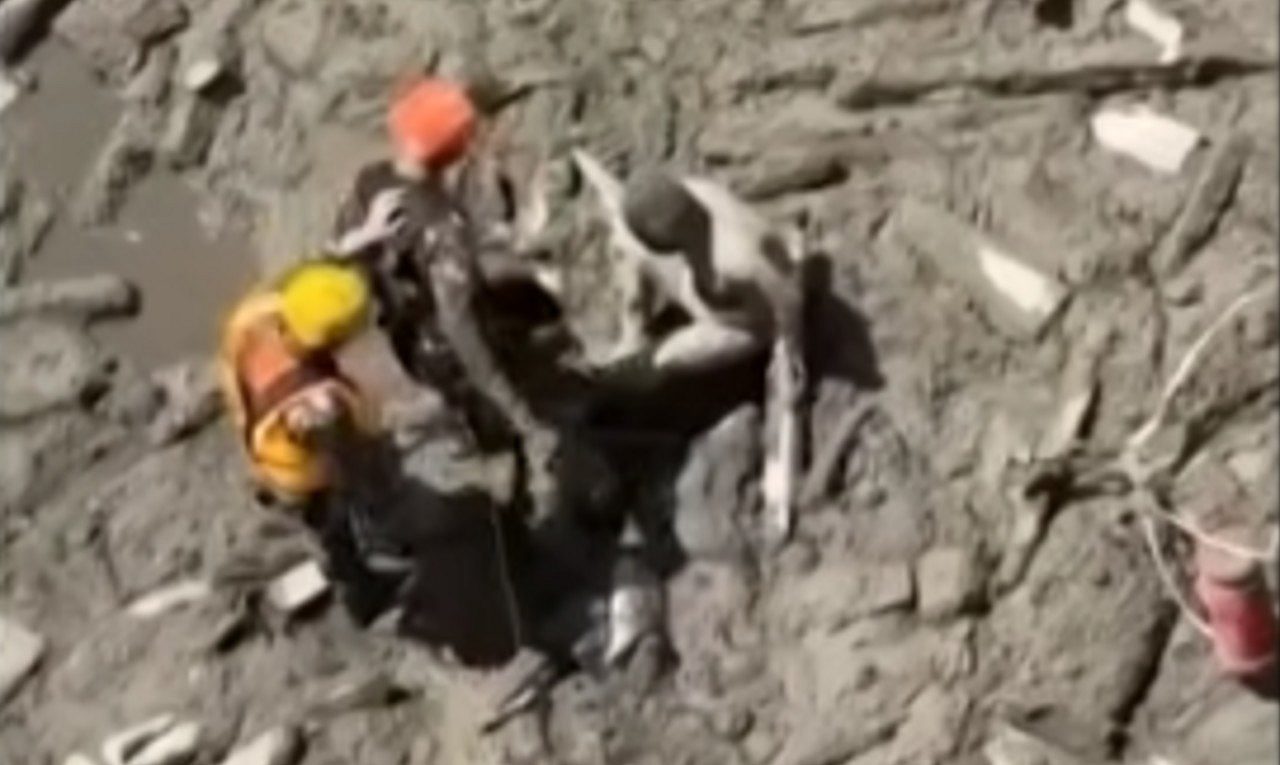
Nepal’s disaster management authorities have released an update on the floods, revealing an alarming rise in the number of missing people. On August 28, 2026, the balance indicated a total of 1,924 victims, with more than 400 new records added. The tragedy has already resulted in 584 confirmed deaths in Nepal and five in the Tibet area, following flash floods.
After a brief interruption, search and rescue teams are intensifying operations in the hardest-hit locations. This critical scenario is repeated annually with the monsoon season in the Himalayas, a period marked by torrential rains and floods that represent a constant challenge for infrastructure and the safety of the local population.
Terrifying footage shows a flash flood sweeping through the Nepal–Tibet border, trapping people on rooftops and balconies. At least 469 have been killed, with hundreds still missing. pic.twitter.com/xRgRWmwut7
— Weather Monitor (@WeatherMonitors) August 28, 2026
Rescue operations intensified in devastated areas
The difficult mountainous terrain and adverse weather conditions have complicated rescue work. Teams face landslides and blocked roads, which limit access to remote villages. The priority is to locate the missing and provide essential humanitarian assistance to survivors, many of whom have lost their homes and possessions.
Recovery Challenges for Himalayan Communities
Thousands of people were directly affected by the floods, with homes destroyed and crops devastated. The loss of basic infrastructure, such as bridges, has isolated communities, making it difficult to send aid. The population, accustomed to the rigors of the monsoon, is now dealing with the arduous task of reconstruction and the uncertainty of future support.





