
Nintendo confirms Switch successor with bigger screen and remake of Zelda Ocarina of Time
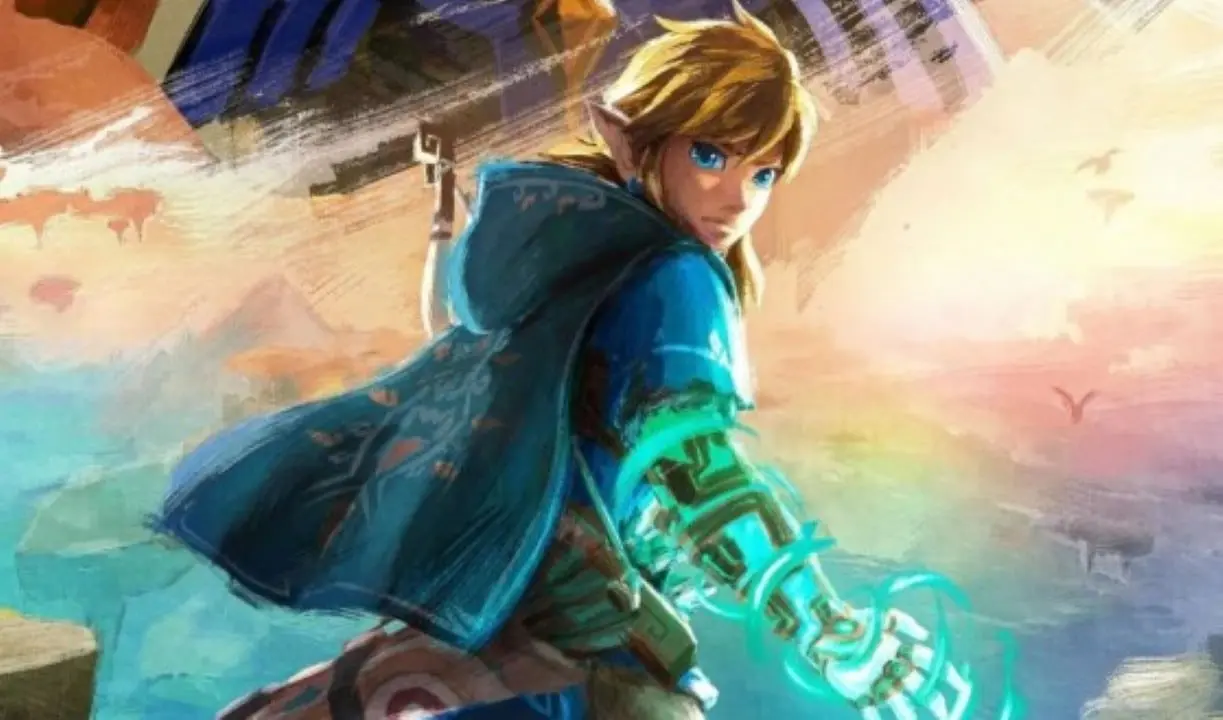
Japanese manufacturer Nintendo has officially launched its next video game, designed to replace the brand’s current generation of devices. The new equipment maintains the versatility of functioning both as a portable device and connected to the television, a feature that established its predecessor, responsible for more than 140 million units sold since 2017. Along with the reveal of the hardware, the company confirmed that the arrival of the product in stores will be accompanied by a complete recreation of the classic The Legend of Zelda: Ocarina of Time. Development of the system and game has taken place under strict secrecy over the past few years, ending a long period of rumors in the technology industry. The company’s promise is to deliver a machine that combines mobility and high processing performance.
The confirmation of the new platform changes the strategic planning of several partner companies in the digital entertainment sector. To avoid stockouts on shelves during the launch window, the gaming giant structured a wide supply network for essential parts. Large retailers have already started to receive the first logistical guidelines to organize product distribution. Currently, industrial complexes located on the Asian continent operate at the maximum limit of their production capacity. Financial market experts are closely following this movement, evaluating the commercial impact of the generational transition.
Learn more: Nintendo reveals new hybrid console and recreation of the 1998 classic Zelda
『제르다의 시대의 오카리나』의 메자리메이크특,
(소스:https://t.co/Isv8LRAJxQ) pic.twitter.com/NQfhSRF9CE
—चर्चाफिल्म (@चर्चाफिल्म)2026년 3월 27일
Technical details of the new equipment and image enhancement features
The initial model of the device will reach consumers equipped with an eight-inch liquid crystal display. This engineering choice is intended to control manufacturing costs and ensure a competitive retail price on a global scale. The screen size represents a considerable increase compared to previous versions made available by the brand. The developers’ priority was to ensure energy efficiency and durability of materials, implementing a battery capable of withstanding long sessions of intense use. A variant with OLED technology could join the catalog in the future, while the external design preserves the ergonomics already familiar to the public.
Data processing works using a customized ARM architecture, developed to run complex titles with fluidity. The graphics card features Nvidia’s DLSS technology, which uses artificial intelligence to increase image resolution whenever the console is connected to an external monitor. This feature allows players to enjoy detailed graphics without the frame rate dropping below 60 per second. The hardware also offers full backwards compatibility, allowing you to access the previous generation catalog with reduced loading times and greater stability. The internal cooling system combines a copper heatsink with a silently operating fan.
Return of a nineties classic with state-of-the-art graphics engine
The highlight of the software line is the recreation of the title that redefined three-dimensional adventure games in 1998. The Legend of Zelda: Ocarina of Time leaves behind the original polygons to adopt a modern, high-fidelity graphics engine. The kingdom of Hyrule was entirely rebuilt with complex textures and character models rich in detail, without losing the visual identity of the original work. The proportion of scenes including forests, mountains and temples has undergone significant expansion. Additionally, the physics engine now makes objects react realistically to the protagonist’s interactions.
The control mechanics have undergone a profound redesign to adapt to current standards in the video game industry. The automatic aiming system and camera movement have received structural adjustments that make it easier to navigate the environment. Changing items in the inventory now occurs instantly, ensuring fluidity during the most intense confrontations. The pace of exploration has gained dynamism, while computer-controlled enemies present new and more challenging attack patterns.
- Game performance remains pegged at 60 frames per second regardless of whether the device is in handheld or docked mode.
- The passage of time in the scene features dynamic lighting and shadow projection calculated in real time.
- A fast travel mechanism has been implemented to speed up the player’s movement across the map’s vast plains.
The sound team replaced the classic version’s digitized audio files with compositions performed by a real orchestra. The soundtrack adapts its rhythm and intensity according to the atmosphere of the scene and the actions on the screen. Nintendo’s own audio engineers supervised each stage of the project, reflecting the historical weight that the franchise carries. Secondary characters received professional voice acting, deepening the narrative and immersion in the game’s universe. The user interface has been redesigned to take up as little space as possible, leaving the view of the landscape free from distractions.
On the same topic: Nintendo reveals new generation of hybrid console and confirms remake of Zelda Ocarina of Time
Mass manufacturing strategy seeks to guarantee stock in retail stores
Assembling new hardware requires a complex supply chain, distributed across different countries. To protect production against economic fluctuations and international crises, the manufacturer began purchasing semiconductors and memory chips six months in advance. This maneuver attempts to avoid the shortage of components that have harmed the technology sector in recent years. The Japanese corporation rented extra logistics warehouses in Asia specifically to store the finished batches. The pace of manufacturing exceeded initial projections, driven by exclusive contracts that guarantee priority receipt of vital parts.
The devices are transported via sea routes and exclusive charter flights. Commercial agreements with carriers ensured priority shipping lanes to ports in North America, Europe and Latin America. Logistics planning aims for a simultaneous launch in the main commercial regions of the planet, a tactic that inhibits parallel imports and stabilizes the prices charged by retailers. Inspectors monitor assembly lines daily to prevent the leakage of industrial secrets. The product boxes use recyclable materials, in line with new environmental legislation that comes into force in 2026.
Confidentiality Agreements and the Final Preparations of Global Trade
Large retail chains signed strict confidentiality agreements with the hardware manufacturer to receive the first stocks. The documents establish million-dollar fines if any details about the final price or exact launch date are revealed before the official announcement. This security measure seeks to maintain absolute control over the marketing campaign and prevent competitors from anticipating your commercial strategies. With stocks in transit and retailers prepared, the transition to the new generation of digital entertainment enters its decisive phase.
More news in Latest News (EN)
See more → German racer Michael Schumacher remains secluded 12 years laterMenendez brothers granted earlier 2027 parole hearing, reigniting debate over high-profile caseAlaskan cruise dreams shattered as technical woes force abrupt cancellation for hundreds of passengersIndiana farm manager affirms dedication to controversial Charlie Kirk corn maze despite widespread public backlashBeijing injects $53.6 billion into key financial institutions to bolster economic stabilityBureau warns record El Niño will intensify drought, driving up Australian food pricesUK poised to implement trade restrictions on Israeli West Bank settlements amid rising international concern
 Apple prepares iOS 27 with contextual Siri and visual search
 Chinese leaks reveal Xiaomi 18 Fold panel reaches 4,000 nitsXiaomi 18 Fold display reaches 4,000 nits peak brightnessApple redesigns iOS 27 with upgraded Siri and camera search
 Final Fantasy VII trilogy bundle hits Japan for 500 dollars
More news on Mix Vale
- 1Austin Reaves enjoys Labor Day weekend after pivotal Lakers contract, poised for leadership
- 2Quieter Russian nuclear submarines heighten NATO’s Arctic defense concerns, alliance boosts northern presence
- 3NTSB confirms Amazon cargo jet crew survived Miami crash, five dead and five injured in runway overrun incident
- 4U.S. diplomatic efforts confront persistent China-Peru economic ties amid rising regional tensions
- 5Capcom classics and Mycopunk arrive on PlayStation Plus tiers
- 6Dino Crisis 2 leads fresh wave of PlayStation Plus games
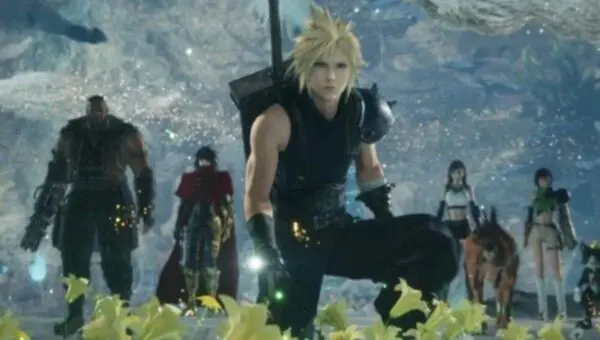
- 7Trilogy pack for Final Fantasy VII arrives in Japan for $500
- 8Ten classic PlayStation 2 titles that deserve full remakes
- 9Classic PlayStation 2 games demand complete modern revivals
- 10Classic RPG Astonishia Story arrives on Switch platforms in 2027