

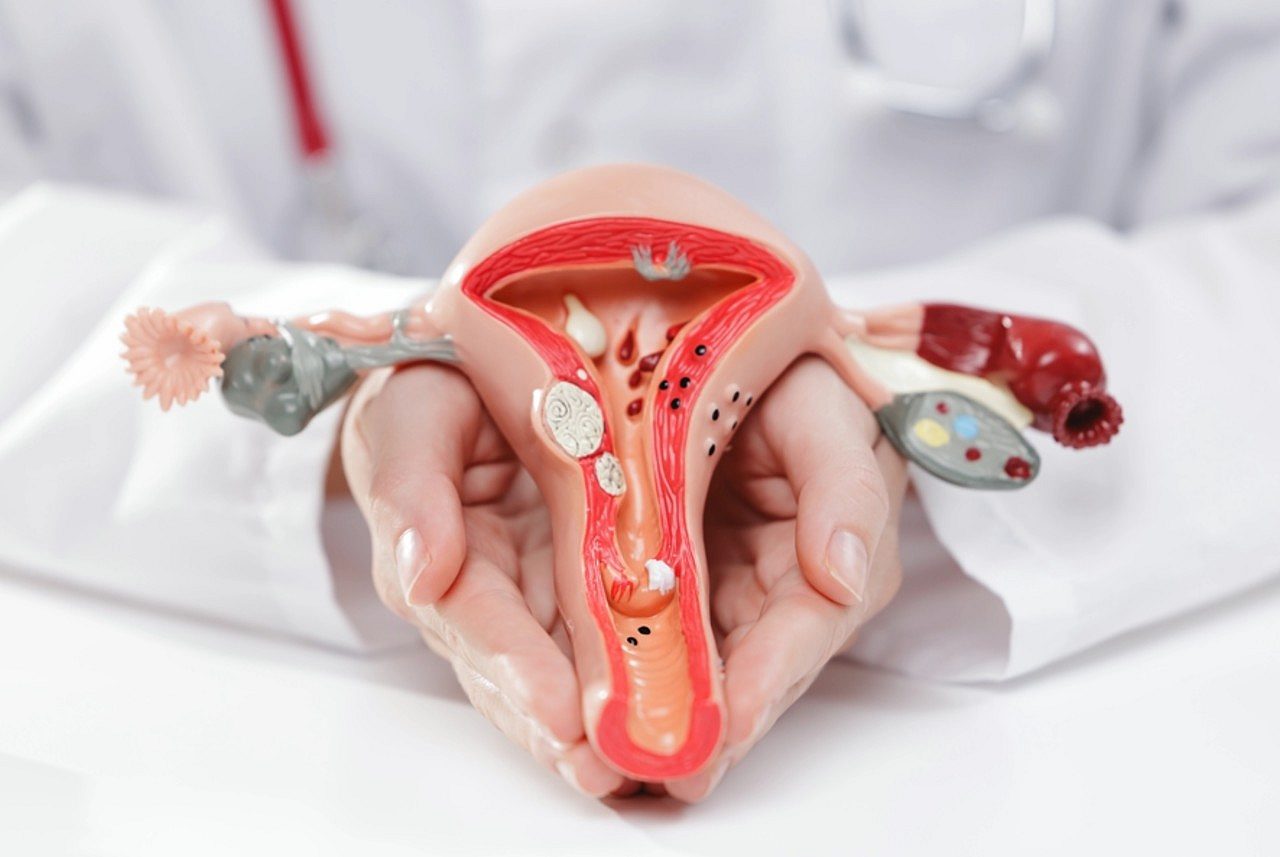
A court decision handed down on July 6, 2026, in the city of Goiânia, determines that a doctor and a hospital must pay for a patient’s hormone replacement treatment. The determination by judge Karine Unes Spinelli, from the 17th Civil and Environmental Court of Goiânia, comes after the allegation that the woman had both ovaries removed during a surgical procedure without her explicit consent.
Court decision guarantees immediate hormone replacement
The sentence establishes that the treatment, carried out through a hormonal implant, must be paid directly by the defendants to the service provider indicated by the patient, or deposited in court. Payment or deposit must be made within five days, after presenting an updated quote or prescription. If the decision is not complied with, a daily fine of R$1,000 was set, with a limit of R$50,000. The urgency of the measure reflects the need to mitigate the damage to the patient’s health caused by abrupt hormone deprivation.
Patient’s allegations about the surgical procedure
As reported by the patient in the lawsuit, she underwent an elective nymphoplasty on September 22, 2024, at the defendant hospital. Additionally, there was a secondary adjustment for the removal of an ovarian cyst. However, the woman maintains that the doctor exceeded the scope of the agreed procedure, performing a bilateral oophorectomy, that is, the removal of both ovaries, without free and informed consent.
- Bilateral removal of ovaries without consent.
- Clamping of the right ureter, which led to kidney failure and required new emergency surgery.
- Early surgical menopause.
- Intense chronic pain.
- Aesthetic changes in the intimate region.
- Significant psychological shock.

Documents reinforce the patient’s version
When evaluating the urgent request, judge Karine Unes Spinelli noted that the allegation of non-consensual removal of the ovaries has “strong support” in the documentation presented so far. Records such as the anatomopathological report and medical records confirm the bilateral removal of ovarian tissue. The initial indication for the procedure was for a different surgery, which reinforces the patient’s thesis about extrapolation of the scope. The judge also considered that the removal of the ovaries triggered an early surgical menopause, which justifies the urgency of hormone replacement to preserve health.
Reconstructive surgery is postponed until expert examination
Despite granting urgent protection for hormone replacement, the judge rejected, for now, the request for the cost of a nymphoplasty repair surgery, worth R$ 18,500. The decision considers that a new aesthetic intervention before carrying out a judicial medical examination could change the region to be examined. The measure aims to prevent the investigation of the extent of possible aesthetic damage from being hampered. The expert examination is seen as essential to verify the responsibility of the defendants.
Consumer protection and procedural secrecy
The judge recognized the application of the Consumer Protection Code (CDC) to the case, as it involves the provision of medical and hospital services. Given the patient’s technical insufficiency and the verisimilitude of her allegations, the judge granted the reversal of the burden of proof. This measure, based on article 6, item VIII, of the CDC, means that the doctor and the hospital will have to prove that they acted correctly, and not the patient. The process is being processed in secret, due to the sensitivity of the medical data, psychiatric reports and photographic records related to the woman’s bodily intimacy. The author was also granted the benefit of free justice.
Next steps of the process in Goiânia
The decision, published on July 6, 2026, ordered the summons of the defendants and the holding of a conciliation hearing. So far, the doctor and the hospital have not presented their statement of defense. If there is no agreement in conciliation, the defendants will have the period set out in the process to present their objections. The case continues to be developed, awaiting the next procedural steps to fully elucidate the facts and responsibilities.





