
Death sentence of 43-year-old beautician and mother of two daughters in Iran intensifies crisis due to protests

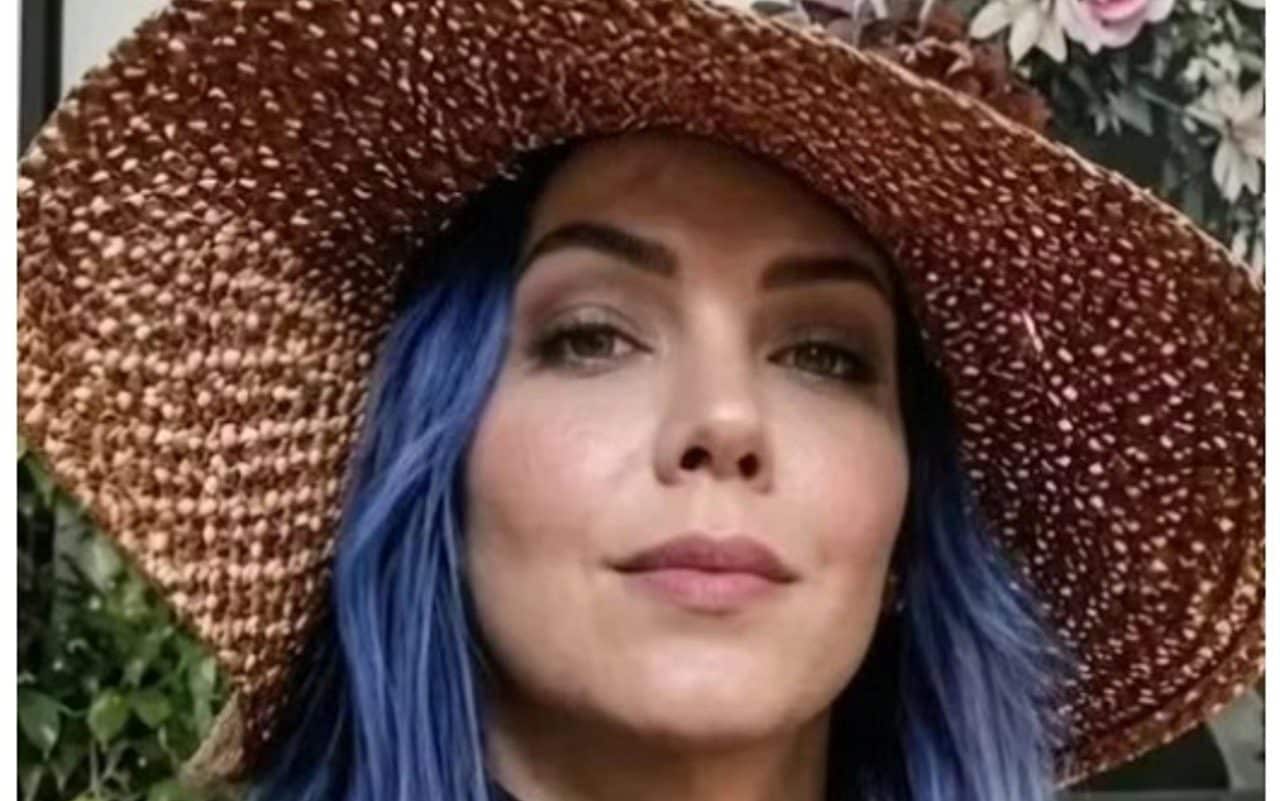
The death sentence of a 43-year-old woman in Iran has provoked intense discussions on social media, raising questions about the judicial motives and the series of executions linked to the anti-government protests that took place in January 2026 in the Islamic Republic. Reports from Iran Human Rights (IHR) and the UN indicate that Iran has already executed at least 27 people directly related to the demonstrations.
Leila Abolhasani, identified as the woman in question, is awaiting execution by hanging after being convicted on charges of “Moharebeh”, a term that translates as “enmity against God”.
While Leila’s family declares that her only offense was recording a store set on fire during the protests on video and photos, the Iranian court maintains that she was responsible for the fire, resulting in the death sentence. However, no evidence against her was made public.
Leila defended herself against the accusations, denying participation. According to her relatives, she was detained while just documenting the burning of the Ofogh Koorosh store.
An Iranian refugee shared his view on the case, stating that “her work could have been very effective in showing the world how brutal and savage the regime is, and they don’t want the world to see the truth.” He added that “this is why they are trying to execute her. They want her case to serve as a lesson to anyone trying to tell the truth about the regime. They want to create fear among the population so that anyone who considers revealing the truth will be too afraid to do so, especially after seeing what happened to her and her two daughters. They want people to remain silent and keep the truth hidden forever.”
Leila Abolhasani, a beautician and mother of two teenage girls, has been incarcerated in Dowlatabad Prison in Isfahan since January 8, 2026. There is no information available about a companion.
Human rights activists point out that defense lawyers were unable to fully access the case records, nor were they given adequate time to examine the evidence presented by the court. They emphasize that Leila’s having two minor daughters highlights the serious humanitarian impact of the sentence, as her execution would leave the young women motherless.
The case was sent to Iran’s Supreme Court for a review of the sentence, but reversal is unusual in cases classified as “Moharebeh”.
Another death sentence case, resulting from the same wave of protests, involves 20-year-old Taraneh Rahimi. According to the Hengaw group and the NGO Human Rights Activists News Agency (HRANA), she was blamed for incidents in an Isfahan square that resulted in the deaths of two people, including a member of the security forces.
Since the beginning of 2026, Iran has recorded more than 900 executions for various crimes, ranging from drug trafficking to other political charges.




