

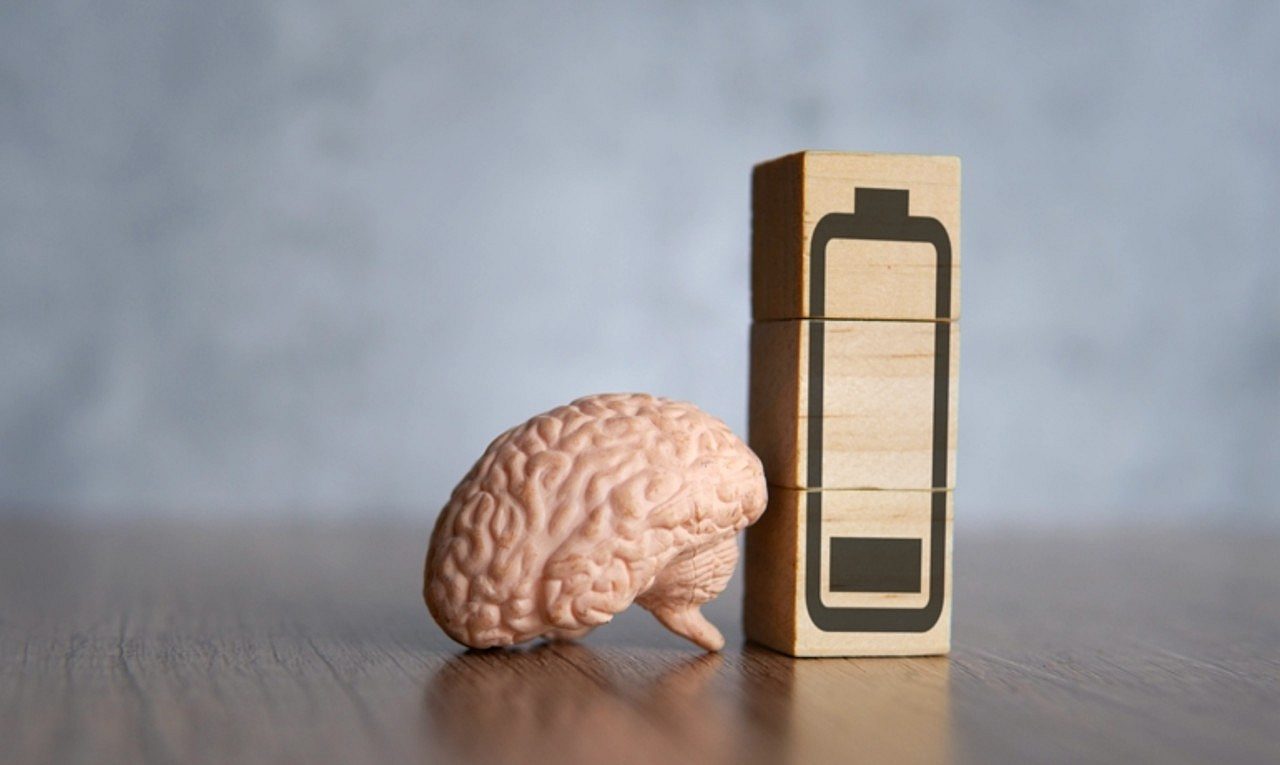
The human brain, an organ that never stops working, requires a considerable portion of the body’s energy. Although it only represents about 2% of body weight, it is responsible for approximately 20% of oxygen consumption when the body is at rest. This high energy demand occurs continuously, even if the person is sitting, relaxing or not focusing on a specific task.
The main source of energy for the brain is glucose, considered the fundamental fuel for its operations. Research published in the journal Neurology estimates that an adult’s brain uses around 120 grams of glucose daily. This value is an average and may vary depending on the physiological conditions of each individual, highlighting the importance of balanced nutrition for brain function.
Understand the high energy needs of the brain for its functioning
The reason for so much energy lies in the brain’s vital function of keeping its billions of neurons active, ensuring uninterrupted communication between them. These brain cells constantly exchange signals, even when we are not consciously engaged in thought.
For this communication to take place, the brain needs to maintain a balance of electrically charged substances, known as ions, inside and outside cells. In clearer terms, it’s like maintaining a difference in charge that allows neurons to send their signals.
This work requires constant energy. Glucose is consumed in this process, with the crucial participation of oxygen. In an adult, the brain uses approximately 50 milliliters of oxygen per minute under resting conditions.
Oxygen facilitates the transformation of energy stored in glucose into a form that can be used by the body. It is this uninterrupted supply that ensures brain function, even during periods that seem unproductive.
This also clarifies why sleeping does not stop brain energy consumption. During sleep, several regions of the brain continue to operate and perform essential functions. The resting state, therefore, does not mean that the brain is inactive.
The continuity of brain activity in moments of rest
One of the most notable examples is the so-called default mode network. This term describes a set of brain areas that demonstrate significant activity when a person is not focused on a specific task.
The concept was detailed in neuroimaging studies and gained notoriety with the work “A default mode of brain function”, published in 2001 in the journal Proceedings of the National Academy of Sciences (PNAS) by Marcus E. Raichle and other researchers from the Washington University School of Medicine.
The network is linked to internal mental processes. This includes aspects related to memories, reflections on personal experiences and the development of plans. This activity helps explain why the mind continues to generate thoughts when we are not performing a specific task.
The brain also maintains other essential activities during this period. Blood circulation must continue to supply oxygen and glucose, while neurons preserve their ability to transmit signals.
For this reason, brain metabolism remains elevated even in the so-called resting state. The expression may suggest little activity, but biologically the reality is different.
Why Intense Mental Effort Doesn’t Result in Big Calorie Burn
This functioning pattern helps dispel a common misconception: the idea that spending many hours studying or solving complex problems would cause the brain to consume hundreds of additional calories.
A mental task can increase activity in specific regions of the brain. However, the organ already has a high energy consumption even before starting any activity. Research indicates that additional changes in energy expenditure caused by specific tasks are minimal compared to basal brain metabolism, often estimated at less than 5% of the resting level, demonstrating the efficiency and continuous high energy demand of the brain.
This does not imply that studying, working or solving a complex problem does not generate changes in the brain. They occur. The point is that more mental activity does not translate into a proportionally large increase in energy expenditure.
The tiredness that appears after a few hours of studying should also not be interpreted as a huge calorie burn. Mental fatigue is a real experience, but it does not automatically represent a massive increase in energy consumption.
Thus, in everyday life, the brain already operates with a high energy demand before you even open a book, start work or face a complicated challenge. As you read this news, your neurons continue to consume glucose and oxygen to keep the organ fully functioning — even in moments when your attention turns to something else.





