

A scam that simulates the charging of the free flow toll system is affecting drivers across Brazil. A Kaspersky study revealed, on September 1, 2026, the existence of 480 fraudulent pages developed over a year with the aim of inducing false payments via PIX. The proliferation of these sites represents a growing threat to those using electronic toll roads.
The digital offensive has intensified in recent times, with the identification of eighty new illegal domains in just one week. The way the fraud works is simple: it starts with a request for the vehicle’s license plate and culminates in a charge that appears to be genuine.
How the free flow scam works to deceive victims
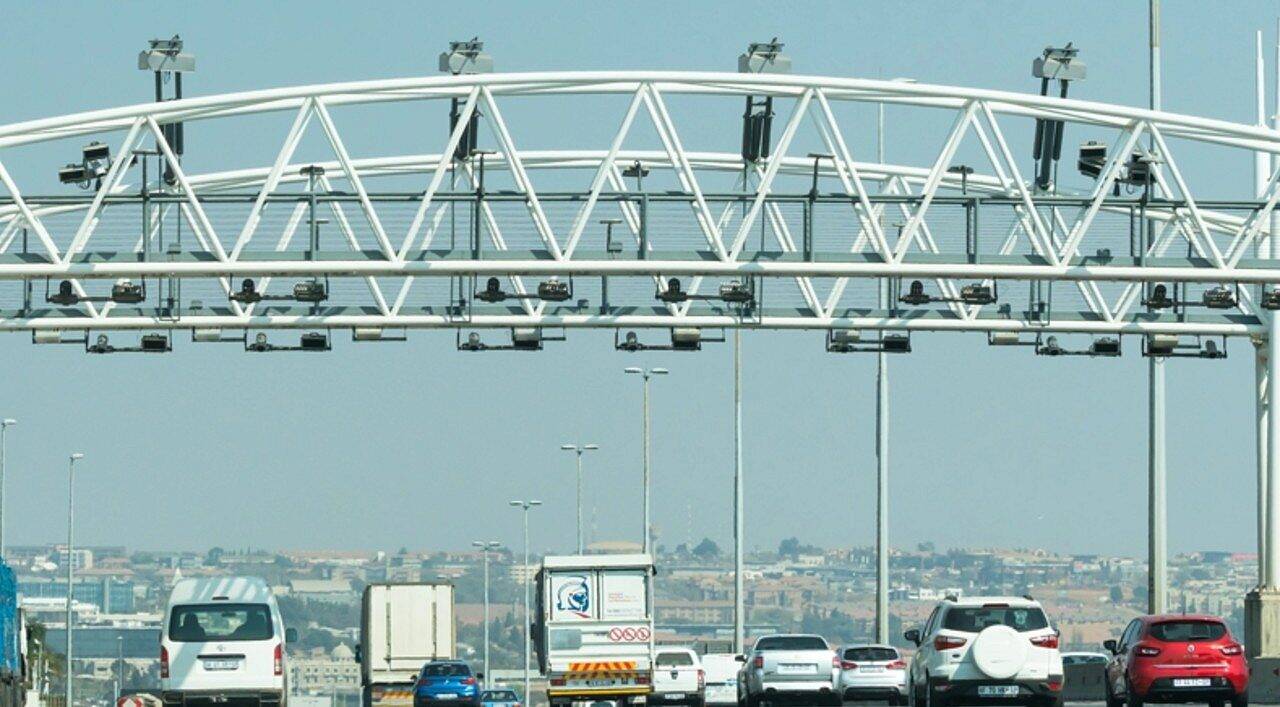
Free flow, a toll system without gates, allows vehicles to pass through gantries and have the fare recorded automatically, without the need to stop or slow down during the journey.
Scammers exploit precisely this convenience. On fake portals, there is very little content and a highlighted field where drivers are encouraged to enter their car’s license plate number. Then, a supposed toll ticket is displayed, along with the amount to be paid and the data for the transfer via PIX.
Kaspersky’s research identified charges in the region of R$25. This amount, considered low, is a tactic to prevent victims from becoming suspicious of the nature of the fraud and making the payment without question.
According to the survey, “when believing in the legitimacy of the charge, the user pays via PIX, and the money is transferred to ‘orange’ accounts”, which makes tracking and recovering the amounts difficult.

New tool to check tickets and payments
To combat misinformation and make drivers’ lives easier, a recent update to Brazil’s CNH app now offers a centralized way to check free flow tickets.
The platform, which already aggregated information about the National Driving License (CNH) and fines, now also includes the consultation of electronic toll records on municipal, state and federal roads, regardless of the responsible concessionaire.
With this functionality, the driver can easily check the date of passage through the gate and check where and what is the correct way to pay the fare.
Previously, the absence of a unified system forced drivers to search for the service channels of each dealership company, creating a gap that was widely exploited by criminals with their fraudulent pages.
Continuity of coup attempts and how to protect yourself
Even though the new tool brings more security, fraud attempts have not stopped. Kaspersky says new pages continue to emerge, with scammers improving their tactics.
Criminals use social engineering, real vehicle data and sponsored ads to increase the effectiveness of scams. These campaigns often take advantage of the introduction of new digital services, exploiting the public’s unfamiliarity with periods of transition.
The study also identified applications for Android and iPhone with names similar to Brazil’s CNH, but a large number of fake apps imitating the official platform were not found.
How to avoid falling victim to the free flow scam
The essential recommendation for all drivers is to carry out inquiries exclusively through official channels and always be suspicious of any link received via messages or in digital advertisements.
- Check free flow tickets through the official CNH Digital app, available for Android and iPhone systems.
- Those who use toll tags must check their charges directly through the operator’s own system, whether by monthly invoice or advance payment.
- Avoid clicking on any ticket alerts received via text messages, messaging apps or ads displayed on search engines.
- Before making any payment, it is essential to check the recipient of the PIX. Toll amounts should never be sent to individuals or fintech accounts.
Verification through the official app allows you to confirm the authenticity of a ticket and guides the user on the correct way to pay the fare before any transaction.





