Drone strike on German airport deepens fears of Russian sabotage across Europe
A drone strike against a parked Ukrainian cargo plane at a German airport has hardened fears among European officials that Russia is testing the limits of confrontation with NATO without declaring open war.
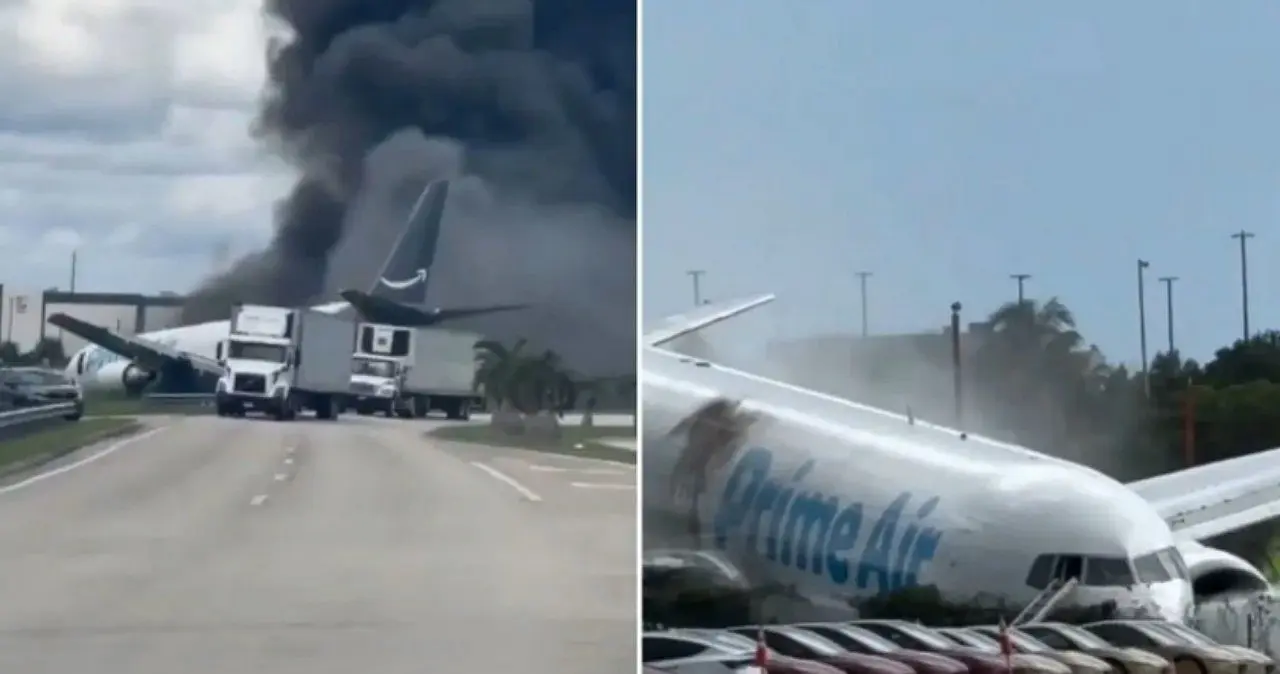
German authorities said this week that the state of Russia was behind the attack. One explosive drone struck the grounded aircraft, while a second appeared to collide with a plane that was taking off. Neither device detonated. Officials said a successful strike could have killed or injured people on the ground and triggered consequences no one could have predicted.
A pattern that stretches far beyond one airport
The airport incident was the most visible entry in a longer list of disruptions blamed on Russian operatives. Investigators have also linked Moscow to plots involving incendiary devices placed aboard DHL cargo planes, sabotage attempts against railroad tracks in Poland, and fires set at warehouses and shopping centers across the continent.
These operations trace back to the early months of Russia’s full-scale invasion of Ukraine in 2022. President Vladimir V. Putin has used such tactics, according to Western security officials, as a way of extending the war’s pressure directly onto Western soil rather than confining it to the battlefield.
Why the timing matters now
Security officials say the frequency and intensity of these incidents have increased recently. That shift has coincided with reports, drawn from Western intelligence assessments, suggesting Russia might be preparing some form of military incursion or provocation along NATO’s eastern border.
The combination has left governments across Europe searching for a coordinated response. Ursula von der Leyen, president of the European Commission, addressed the shift directly on Wednesday.
“Europeans are faced with the hard truth that this is the new normal,” she said. “We have to step up, and that means being ready to respond to Russia’s recklessness better and faster.”
What is fueling the escalation
Analysts point to frustration inside the Kremlin as one driver behind the uptick. Russian forces have made only slow gains on the battlefield, while casualties have piled up on both sides.
At the same time, Russia’s economy has absorbed real damage from Ukraine’s campaign of long-range strikes, which have targeted e-commerce warehouses, oil refineries and military logistics hubs deep inside Russian territory.
For Putin, the war is no longer just against Ukraine. Officials and analysts describe his view of the conflict as one that also pits Russia against what he calls the “collective West” — the countries he blames for supplying Ukraine with weapons, intelligence and the technology that has allowed it to keep fighting.
Limited options, rising risk
European governments have few clean paths forward. Direct retaliation risks pulling NATO into a wider confrontation Russia may or may not actually want. Inaction, on the other hand, risks emboldening further sabotage on European soil.
That narrow space between response and restraint is precisely what worries officials most. Each incident, however small, carries the potential to spiral in ways no government can fully control.