
Household brine removes stubborn green tarnish on brass

Kitchenware made of copper and brass loses metallic shine when moisture and oxygen react with metal surfaces in storage spaces. A domestic solution combining vinegar and salt dissolves these oxidized layers and verdigris deposits without requiring commercial abrasive pastes.
Oxidation processes darken metallic items and generate patina
Continuous exposure to atmospheric oxygen alongside carbon dioxide in damp storage environments triggers an aggressive chemical transformation across metallic copper surfaces and zinc alloys, generating dark cupric oxide underneath an opaque film of basic copper carbonate called verdigris.
This dense encrustation creates an impervious shield against catastrophic deterioration while stripping away the original golden luster of yellow brass. Standard washing methods using regular tap water and soap fail to eliminate these insoluble mineral compounds from kitchen vessels.
Acidic solutions transform metal waste into soluble compounds
Blending acetic acid with common sodium chloride releases chloride ions that attack the molecular matrix of copper oxide, converting tough tarnishing residues into water-soluble salts.
More on this story: Kitchen salt and vinegar mixture eliminates copper patina safely
The chemical reaction occurs immediately. Successful copper restoration depends upon using the correct application method to protect delicate metal walls from premature wear.
Precise liquid application shields polished surfaces from harm
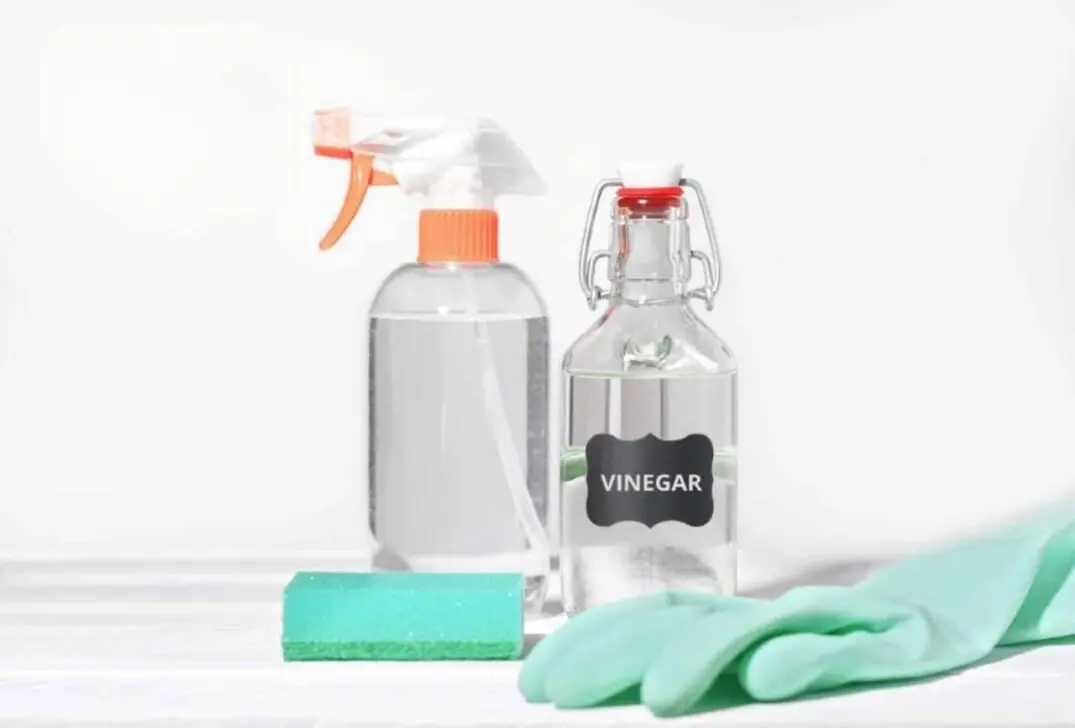
Preparing the mixture requires dissolving 1 tablespoon of table salt into 100 ml of distilled white vinegar before wiping the liquid over tarnished metal using a soft microfiber towel.
This targeted solution dissolves surface tarnish within 10 seconds of direct contact. Abrasive scouring pads and harsh steel wool must stay away from the metal to avoid permanent structural scratches.
Immediate water rinses prevent recurring metallic corrosion
Residual traces of acetic acid and salt accelerate the return of verdigris if left unattended on metal items. Active chlorides eat into the copper alloy within hours under room temperature. Quick neutralization stops this degrading cycle.
Preserving the reflective finish requires structured post-cleaning steps on all brass pieces. Maintenance routines keep metal items bright through three practical stages.
- Washing the entire item thoroughly with neutral detergent and running water removes corrosive chemical residues.
- Drying every seam and indentation with clean cotton fabric extracts trapped moisture completely.
- Spreading two drops of mineral oil across the exterior creates a physical barrier against ambient humidity.
Modern protective sealants require gentle handling methods
Contemporary brass artifacts frequently feature clear synthetic lacquer coatings that require alternative maintenance strategies to avoid stripping the protective layer.
Learn more: Demand for copper reaches record driven by data centers; speculative bubble could emerge in 3 years
Alternative natural mixtures clean untreated copper surfaces
Cookware showing isolated spots only where top layers peeled off contains synthetic clear coat. Owners must wash these coated items using warm water and neutral dishwashing soap exclusively.
Mixing fresh lemon juice with table salt produces comparable chemical results, stripping heavy oxidation crusts in under 1 minute.
Applying vinegar and salt cleans copper items without requiring mechanical abrasion. Such chemical treatment restores original metallic coloring across household items while limiting material degradation.
More news in Latest News (EN)
See more → British Crown excludes Prince Harry from official duties
 Kitchen salt and vinegar mixture eliminates copper patina safely
 Gunfight near Nashville club leaves inventory worker deadGunfire outside Nashville lounge hits Frito-Lay employeeNavigating a year of grief: Erika Kirk shares raw insights after husband’s assassinationAlabama school bus driver, 75, faces vehicular homicide charges after fatal crash; medical crisis disputed by lawsuitFederal communications chairman hints at new guidelines for broadcasters on election polling amidst free speech debateDating app Grindr finalizes £26m settlement over past user privacy and HIV status claimsThree suspects face trial in Mexico for the 2024 slayings of Australian surfers and American friendSerbian government draws criticism over official presence at convicted war criminal’s memorialHunter Mahan, ex-destaque do PGA Tour, sinaliza possível retorno competitivo e aposta em conteúdo digitalAustin game day: Uncover top outdoor adventures near DKR-Texas Memorial Stadium before Buckeyes showdown
More news on Mix Vale
- 1Tanzania mourns passing of First Gentleman Hafidh Ameir Hassan after hospital treatment in Zanzibar
- 2New report reveals severe health disparities among Stolen Generations survivors in Australia
- 3Philippine president’s cousin faces graft charges over alleged flood control fund misuse
- 4King Charles III blocks Harry and Meghan from royal duties
- 5Maine police unravel local Bigfoot mystery, revealing convincing costume and community vigilance
- 6Play Store redesign highlights paid games in new Android build
- 7Play Store revamps paid game listings in new design test
- 8Prince Harry targets British schools for Archie and Lilibet
- 9Prince Harry eyes British schools for Archie and Lilibet
- 10Giant cosmic cavity N44 shelters 30,000 developing stars