
Resident Evil 10 targets 2029 as Capcom maps out remakes

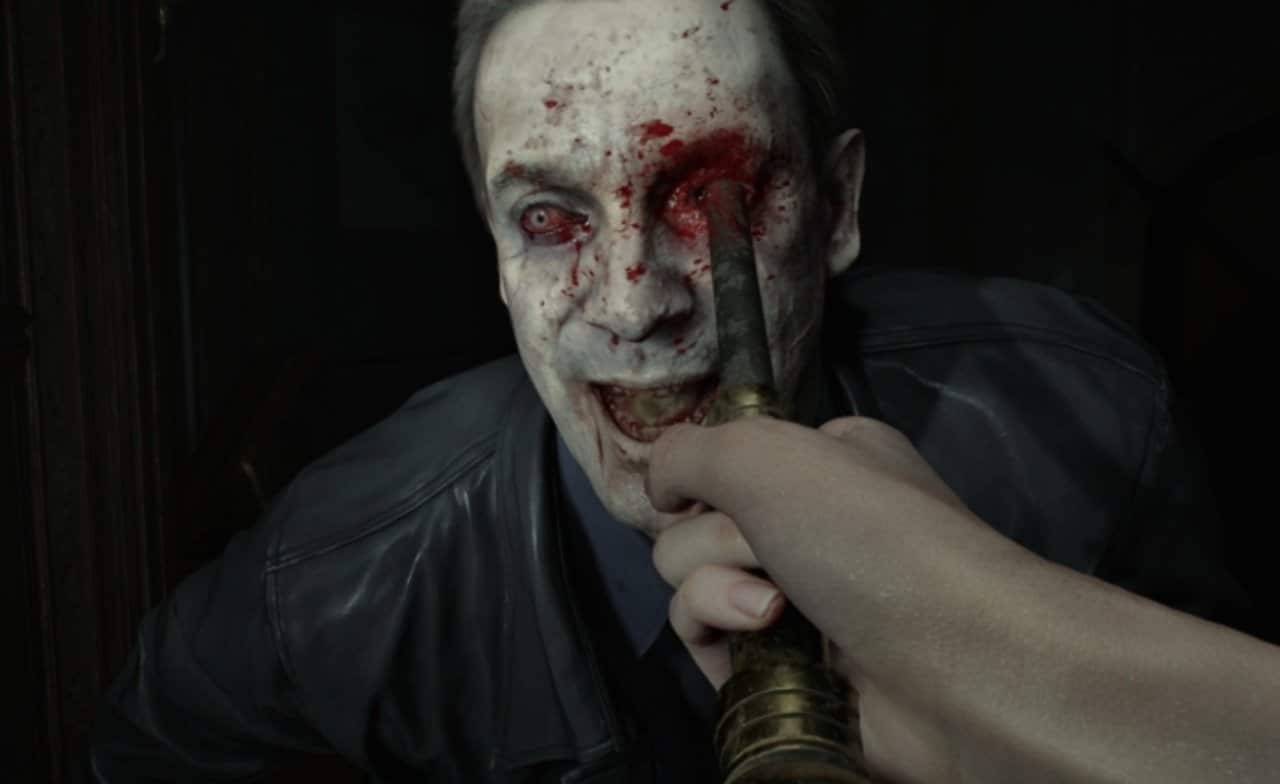
Japanese developer Capcom established a production roadmap in Osaka that schedules mainline installments and classic remakes through 2033. The strategy aims to expand the company’s global player base by maintaining steady product releases across modern gaming consoles before the decade ends.
Capcom mobilized hundreds of developers.
Overhauling internal pipelines for consecutive game launches
Board directors allocated capital and human resources between domestic studios and international support units to reorganize programming divisions and level design teams. Production plans separate technical duties so that one facility can begin pre-production on an unannounced title while a parallel team polishes an incoming game for physical and digital distribution. This alternating development calendar prevents gaps in product launches and funds subsequent research cycles through continuous commercial sales.
Modernizing classic entries from the 2000s and beyond
Internal schedules target a mid-2027 release for a full remake of the early 2000s adventure that stranded Claire Redfield on an isolated island. Designers reworked the scenario, updated character models, and overhauled visual fidelity to meet contemporary technical standards.
Capcom scheduled a remake of the prequel detailing events immediately preceding the mansion incident for the following year. This reimagined version removes fixed camera perspectives in favor of an over-the-shoulder third-person camera. Developers incorporated updated inventory management and fluid movement mechanics to eliminate constraints inherent to the original hardware. Company executives will evaluate an additional remake of the original 1996 installment for a launch window between 2030 and 2033.
Upgrading gameplay mechanics and secondary storylines in the ninth game
The upcoming ninth numerical release introduces an overhauled artificial intelligence system that forces players to adapt their evasion techniques and manage scarce resources within an unfamiliar geographic setting. To broaden gameplay variety without disrupting narrative pacing, Capcom incorporated several distinct mechanical elements into the main production package:
- A standalone secondary campaign featuring dedicated missions and specific objectives.
- Playable support characters providing alternate perspectives on central story events.
- A newly introduced lead character who temporarily replaces recurring legacy figures.
Software engineers implemented real-time lighting calculations and physical processing routines to sustain stable framerates across dense environments with dynamic weather. These technical optimizations allow newcomers to navigate the overarching lore while preserving core horror elements. Stringent internal performance assessments confirmed hardware stability during complex environmental shifts.
Establishing the technical blueprint for the tenth chapter
Production leads set a 2029 launch target for the tenth numbered entry.
Creative teams compiled three decades of established chronology to draft the project’s foundational guidelines, construct three-dimensional prototypes of new hostile creatures, and outline gameplay mechanics that distinguish the title from its direct predecessors. Because this milestone release demands extensive logistical coordination across multiple international territories, production teams arranged motion-capture sessions and voice performances in various foreign languages while sound engineers captured distinct audio profiles directly inside authentic abandoned buildings to construct an original sound library.
Upgrading proprietary engine tools and external brand media
Software teams updated the studio’s proprietary game engine with dedicated code for volumetric fog rendering, bodily fluid simulation, and environmental destruction. Machine learning protocols now automate procedural facial animations, enabling graphic artists to render expressions of terror and pain with minimal manual compilation time. Automated cloud testing routines diagnose code vulnerabilities across desktop and handheld hardware before distribution.
Capcom expanded audiovisual licensing agreements across streaming networks.
Corporate managers aligned video game debuts with cinematic adaptations and merchandise manufacturing to maximize brand visibility across global retail channels. Brand oversight teams monitor character fidelity, horror narrative elements, and visual aesthetics across all external entertainment partners.



