Ozempic reduces psychiatric hospital stays by 21 percent

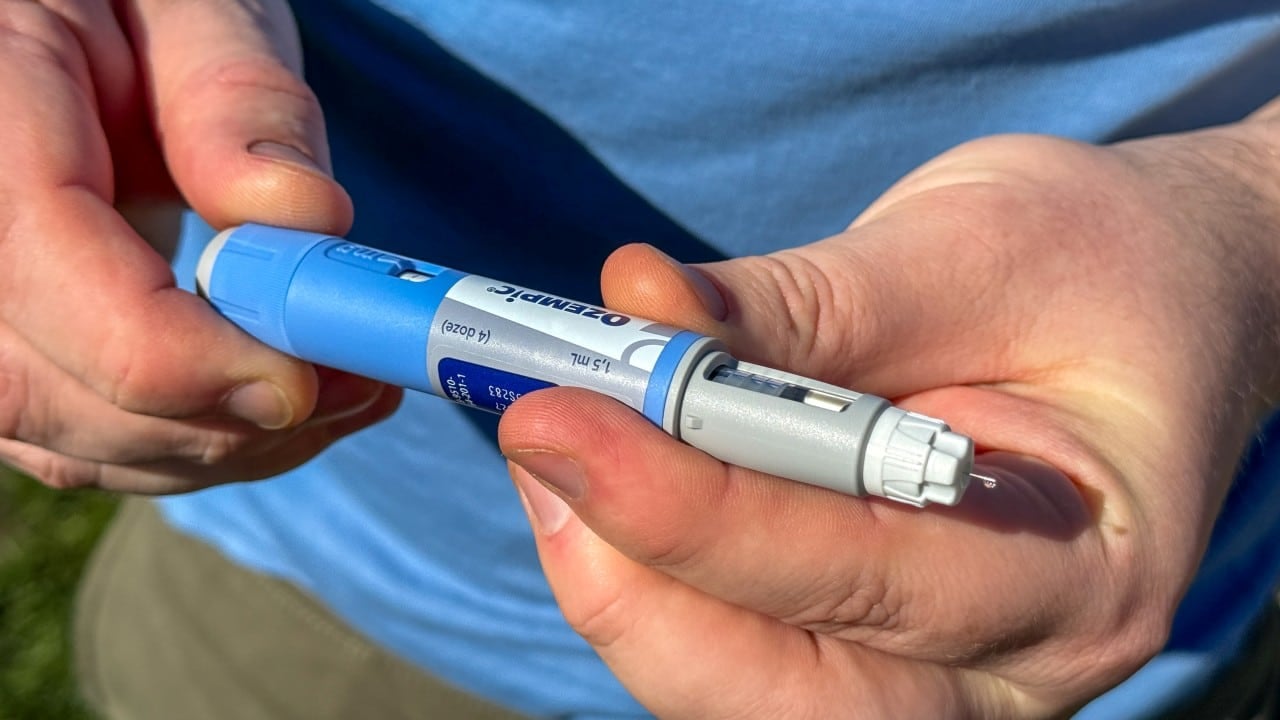
Patients diagnosed with bipolar disorder who took semaglutide recorded a 21 percent lower risk of psychiatric hospitalization compared with periods without the medication, according to an investigation published in Acta Psychiatrica Scandinavica in 2026. Researchers from Griffith University identified the outcome after evaluating nationwide records collected across Sweden between 2009 and 2024.
The study analyzed clinical outcomes for nearly 15,000 patients over a 15-year period.
Nationwide records evaluate long-term outcomes in Sweden
Lead investigator Mark Taylor examined registry entries from Sweden to measure how glucagon-like peptide-1 receptor agonists alter hospital admission rates. Medical records tracked participants during intervals when they actively received the prescriptions and during phases when they went without the treatments. The team compared these individual timelines directly against each other to evaluate changes in psychiatric inpatient admissions.
“People with bipolar disorder who were taking semaglutide (otherwise known as Ozempic or Wegovy), a type of GLP-1 medication, had significantly lower rates of psychiatric hospitalization compared with periods when they were not taking GLP-1 medicines,” Taylor said. The scientist reported that the findings point toward broader clinical applications beyond diabetes and obesity management.
Disparities between specific diabetes medications
Taylor monitored three specific compounds. The data revealed that patients taking liraglutide or dulaglutide experienced no measurable decrease in psychiatric hospital admissions. Consequently, the observed psychiatric protective association did not extend across the entire GLP-1 receptor agonist category.
The World Health Organization reports that bipolar disorder affects approximately 37 million people globally, representing one in 200 individuals. Clinical data show that this mental health condition regularly co-occurs alongside diabetes and obesity.
Biological mechanisms under scientific review
Researchers from Griffith University suggested that GLP-1 receptor activation reduces brain inflammation and cellular stress linked to bipolar disorder.
These biological actions may lower relapse risks by supporting mood stability in affected patients. Professor Mark Taylor from the School of Medicine and Dentistry at Griffith University led an analysis of nationwide Swedish health registry records spanning from 2009 to 2024, examining medical outcomes among nearly 15,000 individuals diagnosed with bipolar disorder who had received prescriptions for diabetes and weight-loss drugs. Taylor stated that a randomized controlled trial must now verify whether semaglutide directly improves psychiatric stability.
Key data points from the Swedish cohort
- Target population: nearly 15,000 patients diagnosed with bipolar disorder across Sweden.
- Primary finding: 21 percent reduction in psychiatric hospital admissions during semaglutide therapy.
- Comparative substances: no reduction observed for liraglutide or dulaglutide.
- Study duration: 15 years of recorded medical prescriptions between 2009 and 2024.
The investigative team published their complete dataset under the title “Use of glucagon-like peptide 1 receptor agonists and the associated risk of hospitalisation in bipolar disorder, from a nationwide cohort, 2009-2024” in volume 154 of Acta Psychiatrica Scandinavica. Contributing authors include Heidi Taipale, Markku Lähteenvuo, Ellenor Mittendorfer-Rutz, Antti Tanskanen, and Jari Tiihonen.
The study appears in issue 4 of the journal under document code 10.1111/acps.70120.