
SpaceX Falcon Heavy boosters land after NASA Roman launch

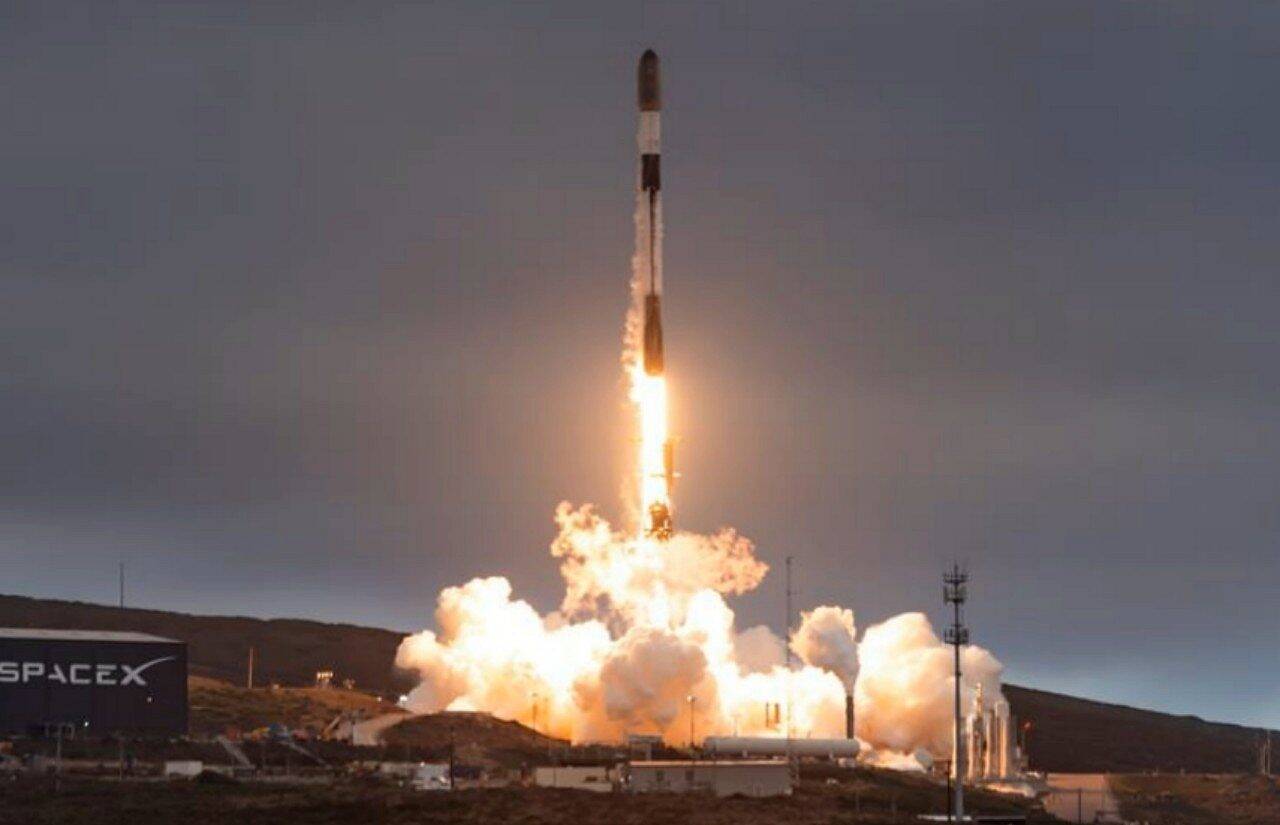
SpaceX launched the Nancy Grace Roman Space Telescope into orbit aboard a Falcon Heavy rocket from NASA’s Kennedy Space Center in Florida on August 30, 2026. Spectators gathered at the spaceport as the mission concluded with both side boosters descending back to Earth for controlled recoveries.
Scientific instruments carried on NASA’s Roman observatory
Engineers designed the Roman Space Telescope to operate alongside the Hubble Space Telescope and the James Webb Space Telescope across expansive cosmic fields, relying on a coronagraph built to capture direct images of distant exoplanets and a dedicated Wide Field Instrument.
Lifting the complex orbital platform into space required the multi-engine power of the SpaceX Falcon Heavy launch system. The rocket stands approximately 70 meters tall and possesses the capability to haul nearly 64 metric tons of payload directly into low Earth orbit. The side boosters are reusable.
Separation of the dual rocket stages occurred shortly after delivering the observatory past the atmosphere. Both units reoriented themselves in mid-air to execute vertical descents toward concrete pads.
Booster touchdown history across Florida recovery pads
Crowds at the Florida space coast watched the two metallic structures descend through clear skies. Automated navigation systems guided each component into an upright posture moments before engines fired near the surface. Onlookers observed the descent from viewing sites across NASA’s spaceport perimeter.
Ground teams confirmed that one booster touched down at Landing Zone 2 while the second vehicle settled at Landing Zone 40. NASA announced in an official statement that one rocket booster completed its first flight while the other logged its third operational journey.
Scientific teams anticipate releasing the first cosmological images captured by the Roman Space Telescope next year.





