
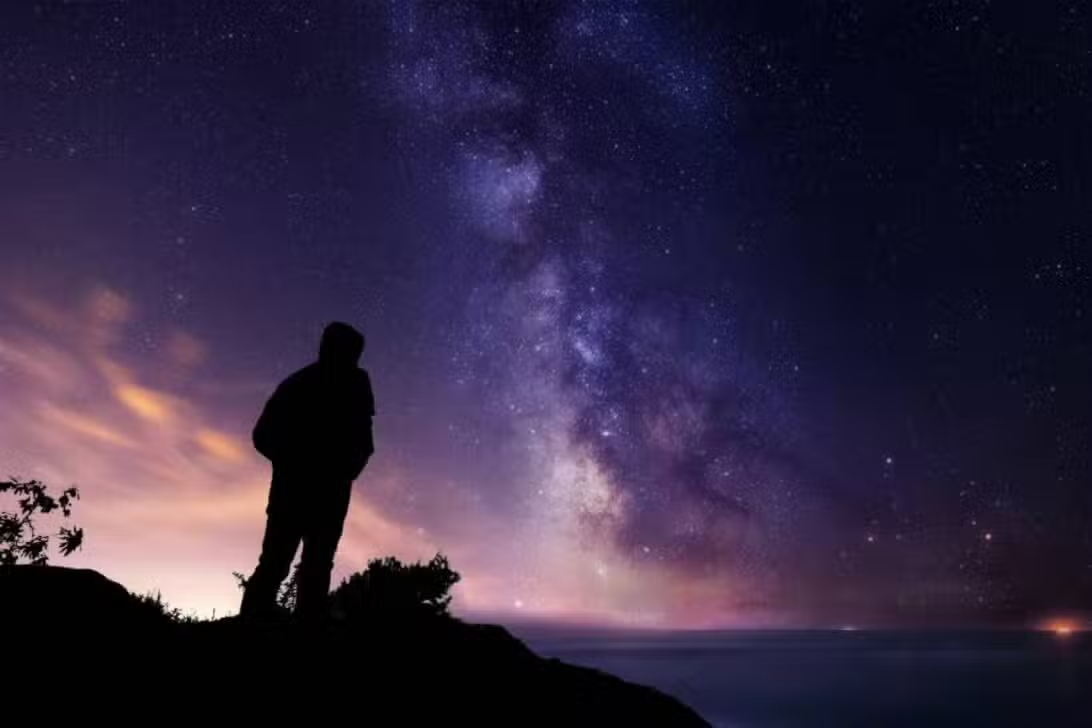
Skywatchers across the Northern Hemisphere can view the celestial glow known as false dawn on September 9, 2026, when the phenomenon emerges above the eastern horizon before sunrise.
The zodiacal light manifests as an expansive pyramid of scattered radiance. It spreads across the nocturnal sky.
Observers situated throughout the Northern Hemisphere gain an opportunity to track this elusive visual event starting September 9, 2026.
Solar rays striking interplanetary dust generate this faint illumination in the eastern sky before twilight. The particles linger along planetary orbits.
Observers designate this display as the false dawn because the subtle luminescence mimics the initial signs of daybreak. Unlike actual morning twilight, the structure forms a distinct geometric wedge extending directly upward from the eastern horizon along the ecliptic, which represents the apparent orbital pathway that the Sun, the Moon, and the planets follow as they traverse the sky throughout the year. The distinct alignment follows celestial geometry.

Early autumn presents optimal viewing conditions across the Northern Hemisphere because the steep tilt of the ecliptic elevates the display above the eastern horizon.
Looking east at 4:00 a.m. EDT away from metropolitan illumination provides the necessary contrast. Eyes require complete darkness.
The light beam stretches through several constellations along the ecliptic. Starting near Cancer along the eastern horizon, the beam rises past Gemini before terminating near Taurus. Dark skies are required.