Sony reaches 95.3 million PS5 units ahead of Microsoft Xbox


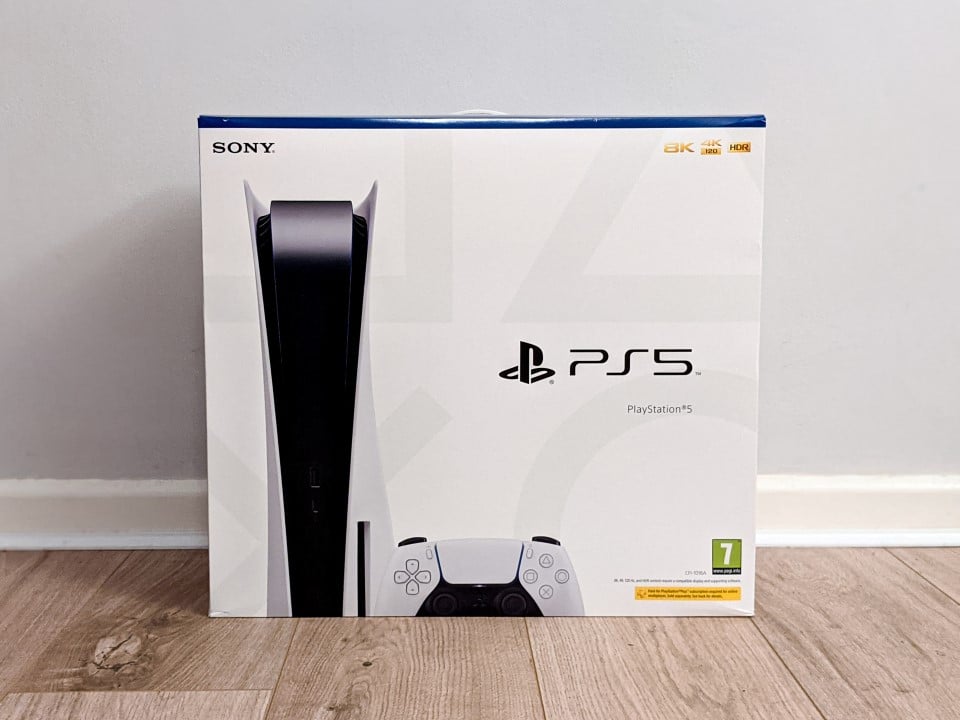
Sony shipped 95.3 million PlayStation 5 consoles worldwide through June 30, 2026, maintaining a decisive commercial lead over the roughly 35 million Xbox Series X|S systems sold by Microsoft. That distribution volume secured the dominance of the Japanese manufacturer in the current hardware cycle despite supply decelerations and fewer platform-exclusive video game debuts across international markets.
Wholesale deliveries reached 1.5 million units from January to March 2026 before edging up to 1.6 million units between April and June. These quarterly figures marked a 36 percent contraction compared to the equivalent six-month period recorded in 2025. Global retailers adjusted inventory intake during this timeframe to reflect changing consumer demand.
Cumulative hardware shipments left the PlayStation 5 trailing the historical trajectory of the PlayStation 4 by 4.9 million units at the same milestone in its commercial lifespan. The predecessor had expanded at a faster pace across global retail channels during its comparable lifecycle window.
Production schedules and cross-generation software releases
Publishing teams at the Japanese corporation maintained major releases such as Horizon Forbidden West and God of War Ragnarok on the older PlayStation 4 throughout 2022. This cross-generation distribution model directly curtailed the volume of software built exclusively for the newer hardware during its foundational commercial years. Development schedules shifted resources toward supporting the massive legacy audience alongside early hardware adopters.
Engineers remastered past catalog titles to fill release schedules, issuing The Last of Us Part I in 2022 and The Last of Us Part II Remastered in 2024. Developer Naughty Dog reached six years inside the PlayStation 5 lifecycle without publishing a brand-new intellectual property conceived specifically for the machine while rival platforms scaled back direct hardware competition.
Manufacturing expenses drive retail hardware prices higher
Elevated manufacturing expenses inverted the historical industry trend in which consumer electronics steadily drop in price over their lifespan. Hardware costs rose sharply. Factory managers contended with sustained pricing pressure across semiconductor fabrication facilities and memory module suppliers throughout early 2026.
In Brazil, retail stores raised the physical disc version to R$ 5,099.90 in April 2026, surpassing its original regional launch price of R$ 4,699.00. Customers saw the upgraded PlayStation 5 Pro arrive at local storefronts at a price point of R$ 7,499.90 during the identical retail window.
American retail channels increased the physical disc console to $649.99 in April 2026 while elevating the digital edition to $599.99. United States buyers paid an average transaction price of $672 for the system during May 2026. Retailers reported that component inflation drove these price adjustments across regional electronics storefronts.
Digital network earnings bolster gaming division balance sheets
Even with supply chain inflation escalating component expenses, the corporation’s gaming unit posted an operating profit of 463.3 billion yen for the fiscal year ending March 2026. That 12 percent earnings expansion drew primary momentum from recurring transactions on the PlayStation Network as digital monetization offset hardware margin compressions.
- PlayStation Network logged an average of 125 million monthly active users during the financial quarter concluding in June 2026.
- Digital software downloads represented 82 percent of all game purchase transactions completed across the Sony ecosystem.
- Player recurring spending on ongoing live services generated more than two-thirds of the gaming division’s overall revenue.
Substantial software turnover protected operating stability after Sony absorbed an impairment loss of 120.1 billion yen tied to studio Bungie. Corporate accountants managed the balance sheet impact through sustained software receipts across global storefronts. Digital cash flows offset that non-cash write-down without disrupting ongoing development investments.
Strategic realignments and multiplatform releases at Microsoft
Microsoft recorded $20 billion in operating gaming expenses over a five-year period excluding its massive acquisition of Activision Blizzard before corporate leadership under Asha Sharma eliminated approximately 3,200 division jobs across various gaming departments in July 2026. Those structural cutbacks accelerated an earlier transition initiated by Phil Spencer that cleared first-party Xbox software franchises for rival console platforms.
PlayStation 5 players received titles including Forza Horizon 5 and Gears of War: Reloaded across digital and retail channels throughout 2025. The cross-platform publishing campaign culminated on July 28, 2026, when Halo: Campaign Evolved arrived on Sony hardware to mark the historical franchise debut on competitor systems. That release signaled a major corporate shift toward maximizing software returns regardless of underlying hardware allegiance.
Upcoming franchise launches and phased physical media sunset
The global gaming market anticipates the launch of GTA 6 on November 19, 2026, across PlayStation 5 and Xbox Series X|S platforms simultaneously. Publishers expect that major multiplatform release to generate record hardware engagement and digital microtransaction spending across both major console networks.
Sony scheduled the release of God of War Laufey for February 16, 2027, to headline its upcoming first-party software lineup. Manufacturing operations will permanently stop producing physical media discs for video games starting in January 2028. Factory assembly lines plan to conclude optical disc packaging schedules ahead of that terminal cutoff date.
Luís Henrique Costa é jornalista formado pela FMU, editor-chefe e fundador do Mix Vale, portal de notícias em atividade desde 2013. Responde pela direção editorial do veículo, que cobre Brasil e mundo em economia, benefícios sociais, esportes, tecnologia, ciência e entretenimento. Atua na área há mais de 15 anos e lidera uma equipe de cerca de 15 colaboradores.