KAIST develops US$ 7 SweepLED tool to detect hidden cameras
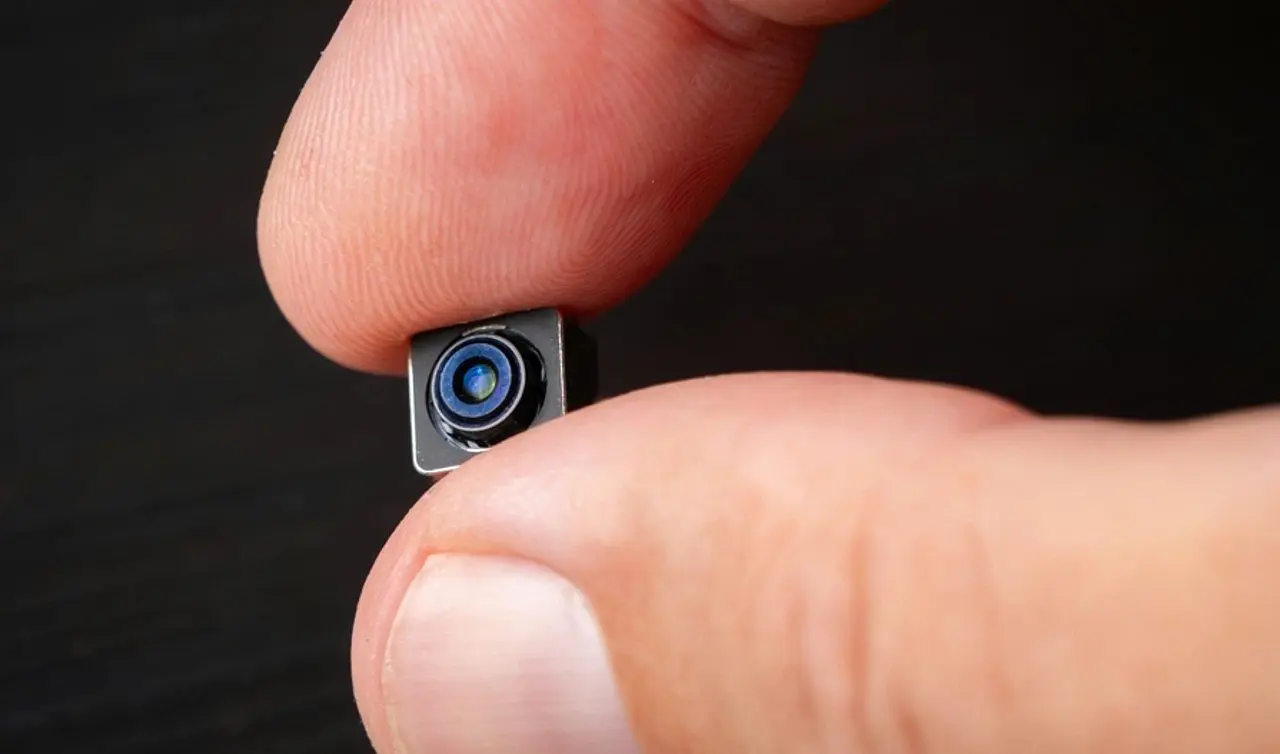
Professor Han Jun from the KAIST School of Computing, alongside researchers from the National University of Singapore and Singapore Management University, developed a surveillance detector called SweepLED in 2026. The hardware pairs a light-emitting diode grid with an artificial intelligence application to locate concealed lenses. Users attach the tool magnetically to the back of a standard smartphone to scan suspicious areas. Optical analysis identifies reflections that reveal hidden recording equipment.
Shortcomings of traditional inspection methods
Ordinary screening practices rely on manual flashlights or smartphone infrared sensors to spot covert lenses. These manual searches take substantial time, often overlook tiny camera apertures, and produce frequent false alarms.
The hardware costs US$ 7.
Hardware mechanics and optical detection results
The system mounts an array of light-emitting diodes directly onto the back of a mobile phone to project illumination across multiple angles. Because camera lenses possess specialized internal glass geometries that reflect beams in distinct visual patterns, the neural network isolates these unique optical signatures from everyday background glare. During experimental evaluations involving 30 different household objects rigged with hidden lenses, the SweepLED setup achieved a confirmed detection rate of 93.9%.
- Magnetic alignment attaches the LED grid directly to mobile phones.
- Variable lighting angles expose distinct optical reflections from glass lenses.
- Neural network classification identifies hidden equipment faster than manual checks.
This prototype outpaced manual inspections across 30 test scenarios involving hidden lenses inside common room items. Specialized algorithms separated actual glass reflections from accidental glares on metallic surfaces.
Privacy protests and emerging surveillance limits
Illicit recording devices in private spaces such as hotel rooms, fitting booths, and public restrooms prompted mass street demonstrations by women in South Korea in 2018. Professor Han Jun focused on consumer vulnerability to tackle intrusive recording hardware in shared spaces. Although the SweepLED assembly accelerates room sweeps against commercial voyeurism, the tool cannot defend individuals against the more than 40,000 unencrypted surveillance cameras currently streaming video across the internet worldwide, nor does it counter wearable smart glasses that secretly film people without their knowledge or permission. Ongoing privacy debates also prompted military branches to evaluate risks from consumer smart eyewear.
The United States Air Force prohibited certain smart imaging devices inside its military bases to block unauthorized recordings. Defense officials maintain these hardware restrictions to safeguard operational security across sensitive installations.