
Nintendo unveils 40 Zelda Ocarina of Time Switch 2 upgrades

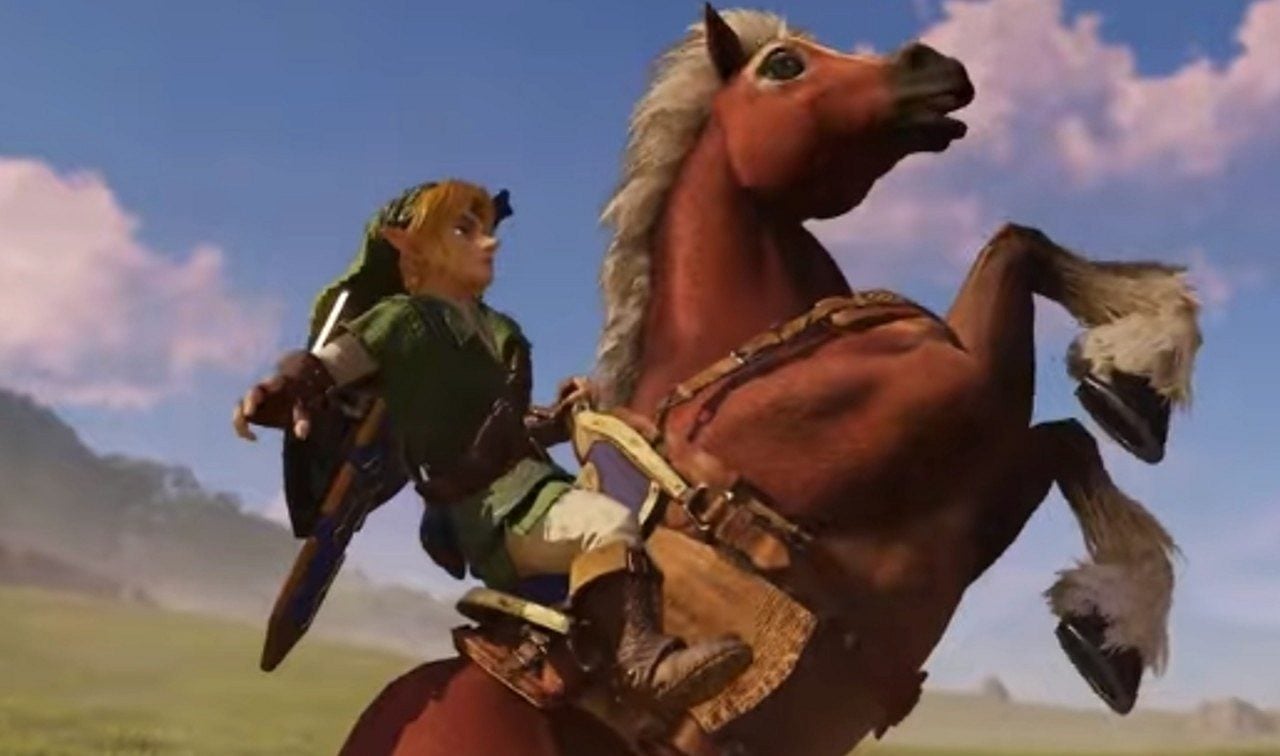
Nintendo showcased 20 minutes of live gameplay from the upcoming remake of The Legend of Zelda: Ocarina of Time for Nintendo Switch 2 during a 40th anniversary stream on Thursday. Producer Eiji Aonuma confirmed that the project preserves the original NINTENDO64 spatial layout while rebuilding visual assets and interface mechanics for the new platform. Detailed inspection of the footage revealed 40 distinct functional changes across Hyrule.
The visual overhaul starts immediately in Kokiri Forest, where fully modelled 3D wooden staircases and cobblestone paths replace aged geometric shortcuts. Modern volumetric lighting filters through the canopy as floating forest spirits drift above grass that reacts to wind currents.
Visual adjustments to Link and environmental economics
Link received redesigned outfits across both his child and adult incarnations. His traditional green tunic now features distinct layered fabrics, embroidered hems, decorative beads, and an ornamental feather on his cap. The changes appear immediately.
Exploration in Kokiri Forest also exposed fundamental rebalancing of Hyrulean currency. N64 hardware capped Link at 99 rupees before obtaining larger wallets, but Switch 2 gameplay showed Link collecting a five-rupee blue underwater piece while holding a baseline capacity of 200 rupees.
Producer Eiji Aonuma demonstrated how players can rotate the camera freely in all directions around Link, resolving long-standing visibility challenges when lifting rocks before Mido, sneaking through guarded zones, or negotiating complex three-dimensional platforming sequences across the forest. Dialogue text from non-playable characters scrolls much faster to eliminate conversational delays. Players can also press the X button to trigger a manual jump.
Direct combat mechanics and indoor exploration
Link dashes underwater by pressing an action button, monitoring his dive limit through a vertical three-segment gauge beside his head rather than a countdown clock. Village buildings feature seamless entrances that load instantly without black screen transitions.
Inside the Kokiri shop, a new doorway leads to a storage annex and a wooden training dummy that never existed in the 1998 release. Sword combat features reworked strike choreography and reactive parry animations. Link physically pushes doors open with both hands instead of watching them swing away automatically.
The Great Deku Tree contains re-engineered puzzle architecture:
- A collapsing wooden suspension bridge replaces the timed floating platform inside the slingshot chamber.
- Accelerated climbing lets Link leap up wall vines without draining a stamina meter.
- Stone winches on dungeon walls drop suspended ladders when struck by projectiles.
- A horizontal item bar provides real-time access to gear without opening full pause menus.

Aiming projectile weapons now operates through internal gyro sensors in third-person view without forcing a first-person perspective switch. Link continues holding items in hand after aiming instead of immediately stowing them away.
Town life and expanded audiovisual systems
Navigation benefits from the Threads of Time system, an optional guidance line first glimpsed in June 2026 footage that charts path markers toward active objectives. Rolling forward can transition immediately into an extended sprint.
Hyrule Castle Town abandoned its fixed prerendered camera angles in favor of an over-the-shoulder perspective. The back alleys now exist as fully realized 3D polygon streets with cast shadows. Real-time day and night cycles affect town routines as shopkeepers close their doors at sunset.
Magic meters now display calibration marks so players can measure spell and arrow costs in advance. Outside the town drawbridge, a carved stone monument stands on Hyrule Field, while ocarina melodies use ABXY and shoulder buttons rather than C-buttons.
Story milestones feature spoken dialogue for key figures like Princess Zelda, Saria, Princess Ruto, and Ganondorf, while field villagers speak through overhead comic bubbles. A companion feature called Zelda Notes inside the mobile Nintendo Switch app offers screenshot tracking, lore quizzes, and a touch-screen instrument.
Dungeon traversal and anniversary hardware packages
The Water Temple retains wall-mounted navigation lights from the Nintendo 3DS version to assist with water-level orientation. Link equips the Iron Boots instantly with a single button press, bypassing pause screens. His blue Zora tunic and red Goron tunic feature distinct woven patterns and metallic clasps.
Kakariko Village widened its unfinished house scaffolding into stable wooden planks, while physical signs hang above shops across every settlement. The soundtrack swaps MIDI arrangements for live orchestral recordings. New amiibo figures of young Link and Zelda unlock polygonal retro character masks.
Nintendo will release a 40th anniversary Switch 2 console bundle featuring a gold Triforce dock and matching Joy-Con 2 controllers on October 29, 2026, one week before the software launches on November 5, 2026. Players can also play the ocarina by humming directly into the console microphone.





