Remedy revamps melee combat dynamics in Control Resonant

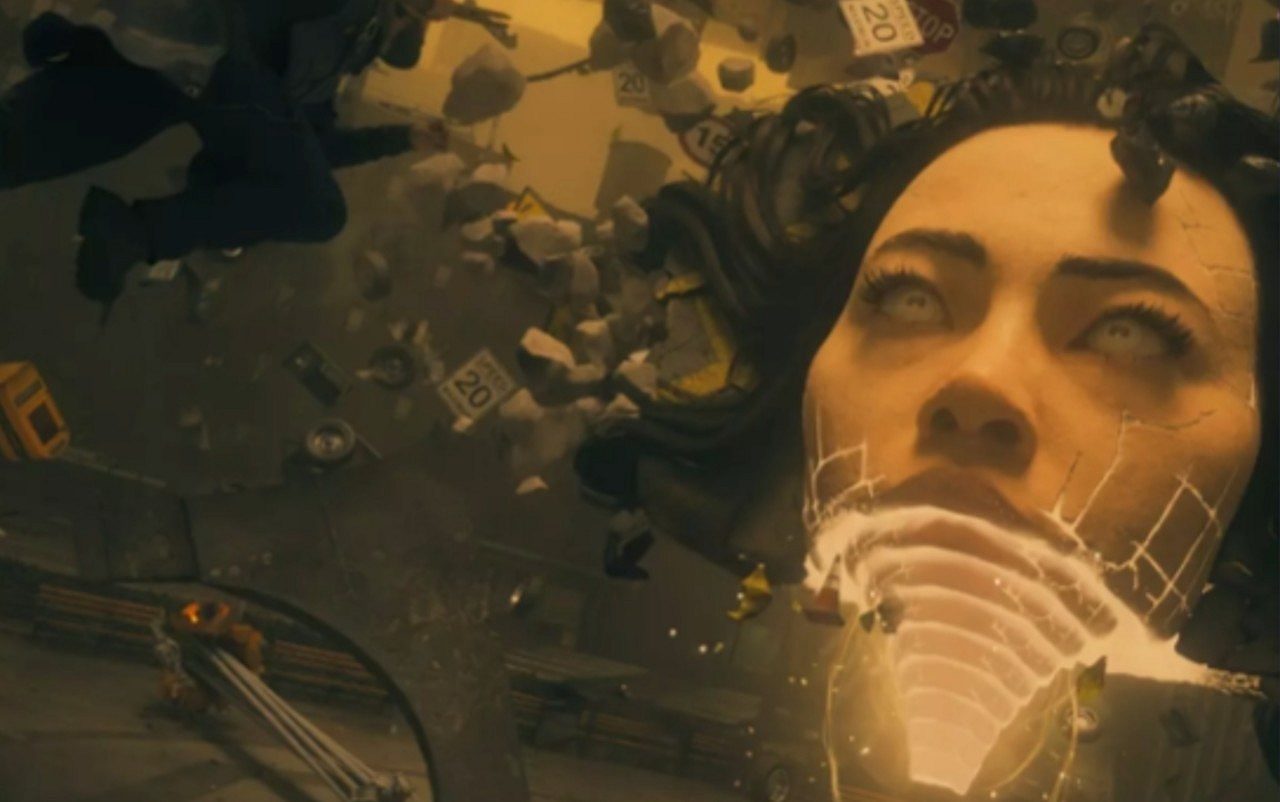
Remedy showcased new real-time melee systems for Control Resonant in June 2026, setting the paranormal action within an altered New York City.
The Finnish developer established its profile through physics-defying anomalies and corporate conspiracies in the original Control in 2019. The upcoming release shifts away from metroidvania-style shooting toward third-person stylish action and personal character drama. These mechanical alterations produce moments of intense friction alongside some of the boldest narrative gambits produced by Remedy.
Visual showcases present the alternate Manhattan in June 2026
Control Resonant follows Dylan Faden, the estranged brother of Federal Bureau of Control director Jesse Faden. Dylan carries dangerous supernatural capabilities under the watch of an explosive restraint device attached to his skull.
The supernatural outbreak breaches the confines of The Oldest House and engulfs an isolated New York City folded across multiple dimensions, setting the stage for Dylan to track down his sister Jesse following her unexplained disappearance across seven years. The script grounds Altered World Events through the immediate consequences suffered by surviving urban residents. Personal loss takes center stage as the protagonist searches through ruined neighborhoods.
Players dismantle enemy squads using a shapeshifting melee weapon called the Aberrant. This supernatural armament transforms on the fly into a blade, scythe, maul, or drill depending on the active combo sequence.
Combat pacing draws inspiration from classic character-action franchises such as Devil May Cry and Bayonetta. Mid-attack animation cancels allow immediate dodges through aerial dashes before resuming offensive chains. Hostile forces hit aggressively during early campaign encounters, punishing clumsy defensive maneuvers.
Upgrades introduce explosive throwable minions and an Ignite modifier that burns through enemy lines and clears toxic mold. Dylan applies rapid Falter damage to staggering Hiss targets, switching defensive skirmishes into active offensive sweeps.
Specific status builds streamline encounters for Dylan and encourage continuous hack-and-slash aggression. The progression structure features defined upgrades across dedicated weapon trees rather than endless statistical variables. Core mechanics sustain momentum even as build options stabilize in later stages.
Combat rewards relentless aggression. Slain enemies drop vital health crystals, while direct strikes with the Aberrant recharge energy reserves used to execute special abilities against tough Hiss spawners.
Campaign boss encounters lean heavily into the bizarre visual presentation of fluctuating reality planes. Several major adversaries feature deep health pools that turn combat encounters into extended battles of attrition. Aerial targeting during dynamic flying phases occasionally fights the camera when Dylan navigates floating platforms.
Advancement stays tied to district clearance ratings and steady power enhancements across the 30-hour campaign. Remedy captures foundational action qualities seen in demanding titles like Sekiro and Devil May Cry V without always sustaining mechanical complexity.
The setting strips away ordinary Lower East Side bodegas and subway connections in favor of architecture inspired by The Oldest House. Visual cues embedded across the metropolitan landscape guide traversal across altered Manhattan streets without reliance on minimap markers. The physical layout provides orientation through environmental landmarks alone.
Special localized zones invert spatial orientation, allowing Dylan to run across vertical wall structures and upside-down terrain reminiscent of Gravity Rush. Gravity transitions happen mid-fight, turning multi-tiered arenas into complex three-dimensional obstacle courses.
Stylish-action mechanics alter the pace of urban exploration
Exploration yields narrative vignettes showing how Altered World Events scar everyday citizens trapped inside the quarantine perimeter. Dylan boards paranormal yellow cabs to enter surreal side-quest dimensions and sketches ruined urban gathering spots. Manual journeys to physical transit gates replace instant menu teleportation, uncovering hidden interactions across districts.
The script embraces David Lynch cinematic tones while adopting traditional character arcs centered on personal recovery. Dylan works through trauma stemming from abusive Federal Bureau of Control research while chasing remnants of his absent sister Jesse.
The campaign functions partly as a narrative prelude, clarifying background documents and cryptic lore hints left behind in Control. Environmental set pieces reference retro gaming iconography and incorporate visual homages to works like Neon Genesis Evangelion at the Verconn complex. These specific aesthetic choices reinforce the storytelling style of Remedy.
An investigation into splintered timelines explores the human toll on Federal Bureau of Control researchers through abandoned audio tapes and field files. The multi-layered spatial anomalies demonstrate the conceptual discipline behind the paranormal universe created by Remedy.
Dylan maintains an uneasy working relationship with Zoe, a Bureau handler assigned to supervise containment operations. Quick plot resolutions occasionally bypass gradual character development to maintain campaign velocity. The emotional grounding of the central cast supports the wider worldbuilding of the Remedyverse.
Remedy delivers an inventive urban playground anchored by responsive character action and precise environmental design. Dylan Faden anchors the narrative through personal grief as players navigate the fractured architecture of New York City.