
Square Enix launches Final Fantasy VII Remake Part 3 on Xbox

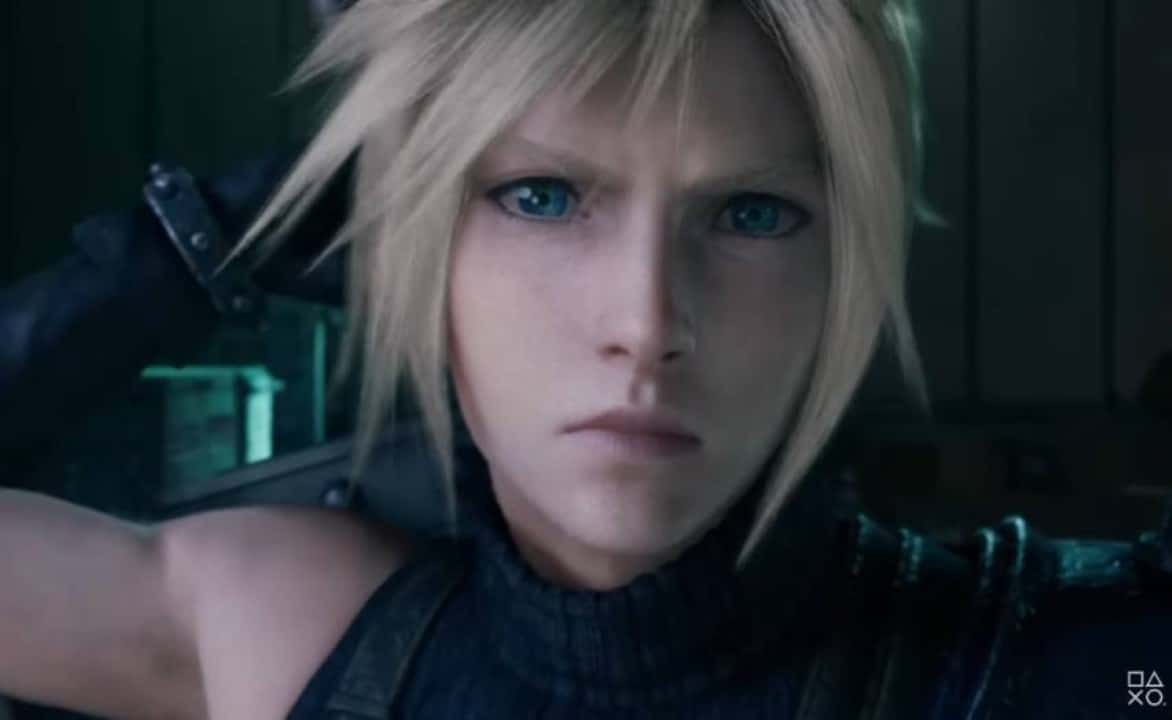
Square Enix confirmed that the third and final installment of the Final Fantasy VII remake project will launch simultaneously on PlayStation 5, Xbox Series X|S, and PC. The decision departs from the timed exclusivity agreements that governed the previous two releases in the trilogy. The publisher adopted this approach to maximize immediate commercial returns and broaden global consumer access.
Company management altered release plans to eliminate audience fragmentation observed during the rollout of Final Fantasy VII Remake and Final Fantasy VII Rebirth. The synchronized distribution strategy prevents multi-year delays for players on alternative platforms.
New distribution model for flagship Square Enix games
The revised delivery timeline aligns with internal guidelines that company leaders describe as a complete operational reset. Production costs for modern high-budget releases prompted executives to conclude that limiting launch windows to a single console damages long-term profitability. Under this framework, primary intellectual properties will reach the widest feasible consumer base on day one. Production continues.
Series producer Yoshinori Kitase reported that the development pipeline advances rapidly due to the technological assets established during the production of Final Fantasy VII Rebirth. Engineering teams optimize code across distinct hardware architectures simultaneously instead of managing separate porting tasks after release.
The inclusion of Microsoft systems provides direct parity across major gaming environments. Following the corporate expansion of Microsoft and its subscription ecosystems, third-party companies increasingly avoid neglecting the North American console market. The simultaneous release answers longstanding consumer demands on the competing console ecosystem.
Market impact and commercial shift from past console exclusivity
The first chapter arrived on PlayStation 4 in April 2020 and remained restricted to Sony hardware for more than 12 months before landing on PC through the Epic Games Store and Steam. Prolonged waiting periods reduced the cultural momentum and sales impact of that computer release.

The subsequent chapter, Final Fantasy VII Rebirth, arrived exclusively on PlayStation 5 in February 2024 to critical praise, but corporate financial reports indicated that early sales fell below the company’s internal targets because the active console installation base was smaller than that of the prior hardware generation. Exclusivity restricted millions of PC players and Xbox users from participating in the launch window. Square Enix now removes that structural barrier. The market responds.
The final chapter resolves the expanded narrative adaptation of the 1997 original release while concluding Cloud Strife’s conflict. Eliminating console exclusivity allows consumers on multiple systems to access the conclusion without investing in supplemental proprietary hardware.
Technical requirements and features planned for the finale
Engineers currently target visual and performance uniformity across PlayStation 5, Xbox Series X, and diverse personal computer hardware configurations. Because the team bypassed legacy consoles including the PlayStation 4 and Xbox One, programmers fully utilize modern solid-state drive architectures alongside contemporary processors to render extensive world terrain and cinematic battle sequences without technical compromises.
Square Enix outlined several mechanical and structural implementations slated for the upcoming finale:
- The Highwind airship will offer full operational navigation across the world map.
- The plot resolves existing timeline divergence alongside the fates of characters Aerith and Zack.
- The combat structure incorporates party synergy mechanics featuring previously unplayable characters.
- The computer edition will support upscaling technologies such as DLSS and FSR at launch.
Consumer response remains favorable, particularly among Xbox customers previously excluded from recent series debuts. Players retain the ability to choose hardware based on personal convenience and raw performance rather than platform restrictions. Square Enix has not yet specified a firm calendar release date for the title.
Financial outcomes from this multiplatform launch will determine release strategies for future corporate projects across global markets. Industry observers monitor the operational transition as Japanese studios reassess traditional console exclusivity.





