
NASA brings 12.5 million space seeds to classrooms for study

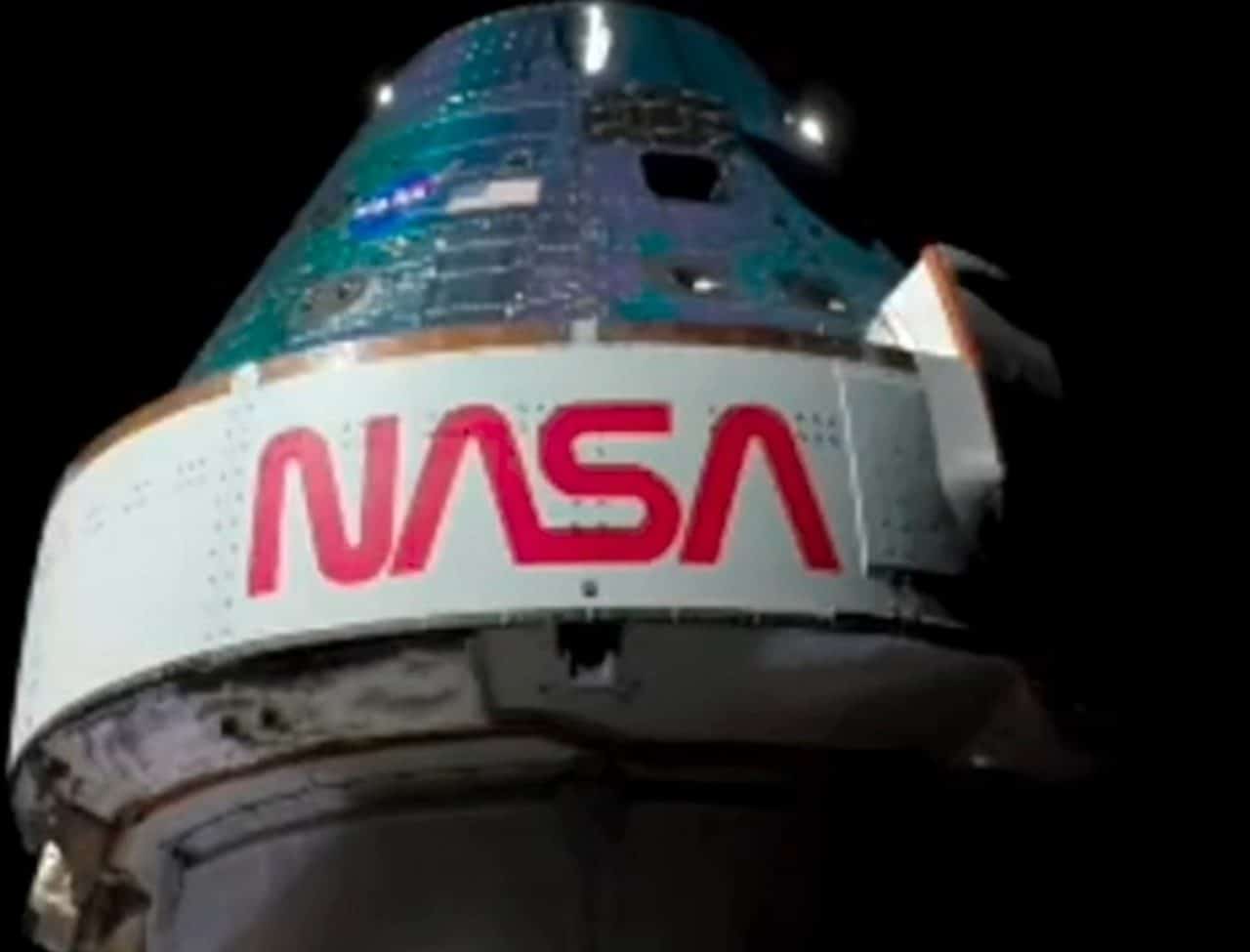
NASA completed the recovery of 12.5 million tomato seeds that spent nearly six years orbiting Earth aboard the Long Duration Exposure Facility on January 20, 1990, following the landing of Space Shuttle Columbia. The biological specimens returned to ground facilities so students across multiple academic tiers could investigate how cosmic exposure altered plant development. The scientific project transferred space samples directly to classroom laboratories.
The flight schedule originally called for a mission lasting just ten months in orbit. Program managers anticipated a swift retrieval before unexpected operational halts extended that stay to nearly six years.
Commercial partnership enabled seed transport into orbit
The space agency packaged the Rutgers California Supreme variety inside sealed canisters designed to protect the specimens from the harsh space environment during their multi-year orbital journey before researchers transferred every germination test to terrestrial ground. This cooperative undertaking ran under the Space Exposed Experiment Developed for Students program alongside the Park Seed company. Technicians ensured the seeds remained uncultivated throughout their stay in low Earth orbit.
A twin control batch remained stored safely on Earth to enable direct biological comparisons between both sets. Classrooms maintained detailed growth records.
Flight suspension delayed the recovery of the orbital carrier
Space Shuttle Challenger carried the scientific research platform into orbit on April 6, 1984, during the STS-41C mission. Crew members deployed the facility into low Earth orbit on April 7, 1984. The fatal Challenger accident in 1986 subsequently grounded the shuttle fleet and left the floating experiment in space indefinitely.
NASA rescheduled the recovery operation only after flight operations resumed with redesigned safety protocols years later. A replacement crew then initiated the complex orbital rendezvous.
- Astronauts secured the floating facility on January 12, 1990, during the STS-32 mission.
- Space Shuttle Columbia touched down with the complete payload on January 20, 1990.
Columbia landed safely with the orbital cargo intact following its atmospheric reentry. Ground personnel promptly unloaded the sealed containers to verify overall seed integrity before distribution. Engineers then prepared the botanical specimens for classroom delivery.
Educational distribution placed space kits across thousands of schools
NASA distributed more than 132,000 instructional kits to 64,000 educators across roughly 40,000 academic institutions, engaging 3.3 million participants across all 50 states, the District of Columbia, and 30 foreign nations. Every package supplied spaceflown seeds alongside Earthbound control samples and standardized data sheets for agronomic observation.
The space agency gathered nearly 8,000 completed observational records from participating classes. Multiple student groups submitted combined logs to document their weekly findings. Teachers compiled these submissions for central analysis.
Student growers evaluated germination and plant development
Pupils tracked initial sprout emergence, recorded weekly plant heights, noted leaf development, and measured final tomato yields. Their returned data revealed that seeds exposed to space germinated slightly faster during their initial month of growth, although Earthbound control plants subsequently matched that pace in later weeks and produced comparable fruit yields.
Final technical summaries noted that uneven classroom lighting conditions occasionally hindered seedling vigor across participating rooms. Handlers also documented occurrences of overwatering and minor physical handling damage to young stems during regular classroom measurements. Most participating groups nevertheless brought their crops to maturity.





