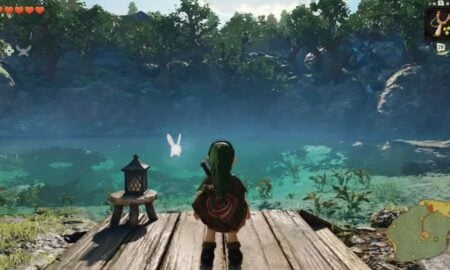
Nintendo confirms 1998 Zelda Ocarina of Time remake on Switch 2

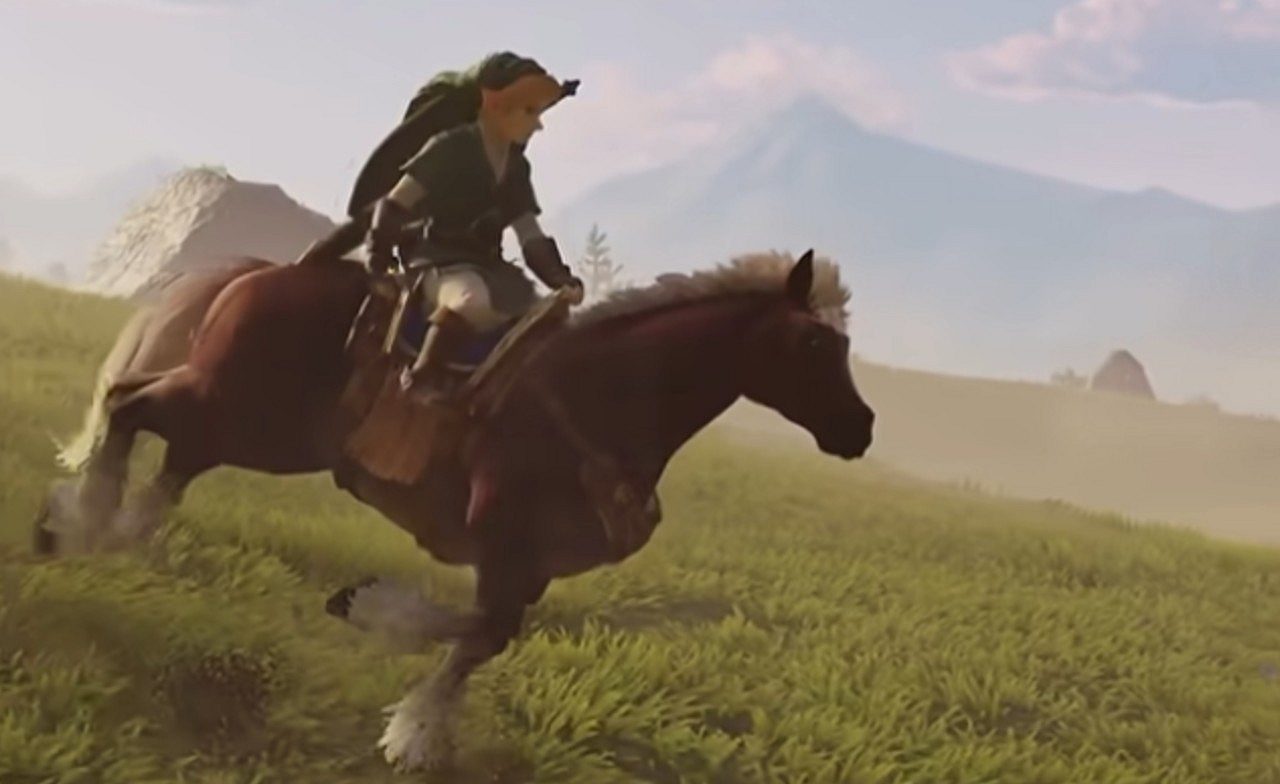
Nintendo announced a remake of The Legend of Zelda: Ocarina of Time for the Nintendo Switch 2 console on September 21, 2026. The announcement mobilizes players who never owned the original 1998 Nintendo 64 cartridge format. Production teams confirmed the project during an official broadcast dedicated to upcoming hardware software.
Spatial hurdles in early three-dimensional console gaming
Industry software developers in 1998 confronted critical technical limitations when trying to surpass the boundaries set by Super Mario 64 across open digital worlds. Studio teams worked to unite uninterrupted map traversal, complex spatial puzzles, real-time swordplay, and structured storytelling inside one unified polygonal setting.
The 1998 title established foundational blueprints that modern digital interactive design still uses as standard operational procedure. Dark Souls director Hidetaka Miyazaki described the title as an essential handbook for any studio creating three-dimensional action adventures across the industry. Production houses continue to build on those exact conventions decades later. Combat mechanics evolved rapidly.
Target lock innovation on the Nintendo 64 controller
Engineers at Nintendo invented the Z-Targeting system on the Nintendo 64 controller to solve erratic combat perspectives in deep environments.
Players pressed a single rear trigger button to direct Link toward a selected enemy while the camera rotated around the duel automatically. The tracking system eliminated missed sword strikes caused by poor depth perception on standard television screens. That locking function became standard across modern role-playing titles.
Contextual inputs on a single action button
Designers assigned dynamic interactions to the blue A button on the console controller rather than mapping separate functions to individual inputs. When Link moved next to interactive objects, the onscreen indicator changed from climbing to speaking, lifting, or opening doors without extra menu navigation.
Automated camera sequences tracked enemy encounters and large bosses without demanding continuous manual input on the analog stick. Programmers configured the camera software to calculate dynamic cinematic framing during fights against massive monsters. The software also readjusted line of sight to highlight exits after players cleared room objectives. Modern exploration designs maintain that exact automated guidance.
- Wall fractures indicating destructible entry points for explosive items
- Hanging spiderwebs requiring clearance with active fire sources
- Floor switches activating timed doors across multi-level chambers

Engineers balanced physical navigation against structural puzzle architecture across every labyrinth. Players deciphered room layouts before facing dungeon guardians.
Dungeon progression based on acquired equipment
The structure of each dungeon required players to discover a specific tool in an interior room before advancing to the boss chamber. Adventurers applied newly acquired gear to unlock pathways, disable traps, and exploit creature vulnerabilities throughout the temples.
Hyrule served as an active storytelling device through physical terrain transformations across the campaign timeline. Link moved between childhood and adulthood across a seven-year gap that altered entire regional settlements.
Musical instruments as active control tools
Sound director Koji Kondo integrated melodic execution directly into progression requirements across the map. Players memorized specific note arrangements using directional controller inputs to open stone gates, change weather conditions, and travel between designated shrines. That mechanical integration gave distinct acoustic identities to locations like Goron City and Lake Hylia. The auditory system required players to enter specific pitch inputs rather than simply selecting a song title from a pause menu interface.
Programmers eliminated pre-rendered cutscenes in favor of real-time sequences generated directly by the Nintendo 64 graphics hardware. The decision maintained visual consistency between interactive exploration and dialogue encounters.
Hardware transition and software legacy
Historical assessments identify standard gaming practices that required unprecedented software engineering by Nintendo teams at the close of the twentieth century. Contemporary releases from studios like FromSoftware continue to borrow the lock-on tracking, spatial dungeon logic, and contextual prompts first consolidated in that 1998 release. Those foundational mechanics remain central to modern action gameplay design.
Nintendo Switch 2 hardware will run the rebuilt adventure using updated assets and modern display profiles. Engineers adapted the original controller layout for modern inputs without modifying the underlying geometric layouts.