Air travel chaos in the U.S. and the launch of Starship mark Friday; booster falls into the Gulf of Mexico

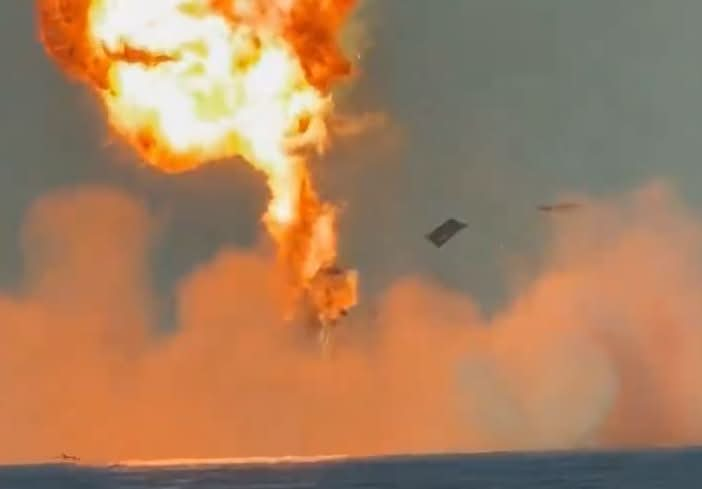
SpaceX’s Starship rocket ended its flight on Friday, November 13, 2026, with the Super Heavy Booster 22 falling into the Gulf of Mexico after it could not return to its launch base in Texas. The same afternoon, a communications breakdown halted commercial flights across the United States.
Despite losing the booster, the upper stage, called Ship 42, finished its climb and reached Earth orbit. All six Raptor engines shut off as planned after the maneuver. It is the second time SpaceX has placed this ship in orbit; the first came in September, during the 14th experimental flight.
Booster 22 came down in the Gulf after a failed return
The booster was supposed to fly back and settle onto the launch structure, copying a recovery method the company had used before. The attempt was called off, and the lower stage hit the sea instead. SpaceX spokesperson Dan Huot said the team will look into why the attempt was canceled, and one of the booster’s 33 engines may have stopped working.
Check out: Tesla Roadster prototype flips in midair using 10 SpaceX cold-gas thrusters at McGregor test site
Ship 42 will carry 26 Starlink satellites on its next leg
The ship is expected to remain in orbit for more than 22 hours and circle Earth about 14 times before it begins its return. Releasing 26 Starlink satellites is the next step in the mission. SpaceX also plans to test upgrades to the ship’s heat shield, which is built to handle extreme temperatures when it re-enters the atmosphere.
Nationwide FAA ground stop lasted more than four hours
A communications failure at the air traffic control centers led the Federal Aviation Administration to order a nationwide halt to departures. Transportation Secretary Sean Duffy blamed old equipment and overloaded routers, while Homeland Security Secretary Markwayne Mullin said there was no sign of a deliberate attack. The US weather monitoring service also showed instability through the day.
Follow: SpaceX CRS-35 mission lifts off from Cape Canaveral with station cargo
Launch window and FAA ground stop times
- Launch window: 75 minutes, opening at 4:45 p.m. Central Time from Pad 2 at Starbase, Texas.
- Ship 42 orbit: reached about 27 minutes after launch, according to SpaceX.
- FAA ground stop: ordered at 3:54 p.m. Eastern Time and lifted at 8:15 p.m. Eastern Time, about four hours and 21 minutes.