
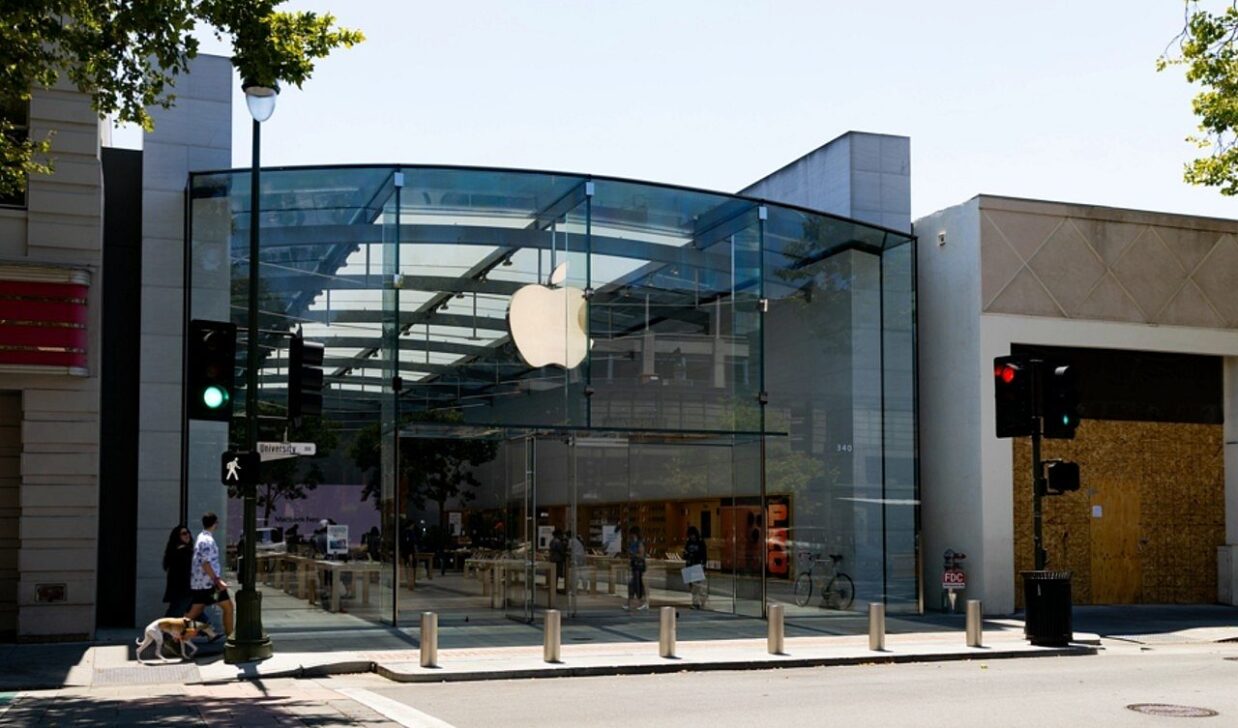
Apple officially concluded production and retail distribution for three established smartphone offerings: the standard iPhone 14, the larger iPhone 14 Plus, and the third-generation iPhone SE. The organizational move serves to reshape the primary hardware catalog, adjusting consumer options around newer generation processing capabilities and modern hardware architectures. This shift guides millions of active smartphone owners worldwide toward modern hardware families, including the iPhone 16 tier and succeeding device launches.
The catalog restructuring aligned with seasonal hardware refreshes across global retail channels. Introduced alongside their companion variants, the iPhone 14 models originally relied on the A15 Bionic processor, an architecture carried over from earlier generations that established solid performance benchmarks.

Ending production on these devices enables the manufacturing supply chain to prioritize silicon optimized for on-device machine learning and dedicated neural engines. The corporate decision also accelerates conversations among consumer groups regarding the longevity of software support windows and hardware replacement schedules.
Hardware evolution and AI demands drove the catalog transition
Natural technology turnover served as the primary catalyst behind the withdrawal of the older hardware inventory. Advancements found in the iPhone 15 generation, such as universal USB-C ports, the Dynamic Island screen interface, and the A16 Bionic processor, left the iPhone 14 lineup with reduced competitive appeal. Maintaining older generations across retail tiers risked fragmenting user interfaces while increasing development complexity across engineering teams.
Concentrating retail focus on newer releases ensures that a broader segment of the active user base can run complete system features, including high-level platform protections and demanding application workflows. Additionally, clearing manufacturing capacity prepares facilities for future hardware designs, such as thinner chassis engineering and higher performance display components.
Software longevity and security patch forecasts for current owners
Consumers who continue to use the iPhone 14, the iPhone 14 Plus, or the third-generation iPhone SE will not face any sudden breakdown in device utility. Historical operating system policies maintain system upgrades for roughly five to six years after initial market rollouts. Based on that timeline, phones released in 2022 should receive mainstream iOS releases through approximately 2027, maintaining full daily compatibility across major system builds.
Read also: Mark Gurman details Apple smart display arrival in October
The outer boundaries of full platform coverage will nevertheless approach over the coming years. As handsets transition away from annual base upgrades, they gradually miss out on leading-edge operating system utilities and specialized software tools. Critical security maintenance generally persists for additional years beyond feature cutoffs, helping maintain secure operation even as hardware platforms age out of active development.
Modern upgrade paths from entry options to professional devices
Shoppers seeking replacements for discontinued units have access to several tiers across current retail channels. The base iPhone 15 and its Plus variant provide substantial mechanical advances, incorporating 48-megapixel primary camera sensors, improved power profiles, and universal wired charging.
Demanding mobile consumers requiring top computational output can choose the iPhone 16 Pro and Pro Max configurations. Powered by the A18 Pro silicon alongside high-refresh 120 Hz ProMotion panels, these flagship devices target advanced video workflows, mobile gaming, and specialized creative work.
The secondary and certified pre-owned smartphone sector provides another practical avenue for cost-conscious buyers. Handsets from the iPhone 14 family maintain strong volume across trade-in markets, offering functional hardware at reduced price points alongside official certified refurbishing programs.
Keep reading: Apple debuts What Holds Us art exhibition on iPhone 18 Pro
Targeting customers who previously favored the compact SE design, Apple introduced the iPhone 16e as a budget-conscious entry alternative starting at $599. Incorporating the high-efficiency A18 chip alongside extended battery life, this model functions as an accessible gateway for users seeking modern processing without flagship expenditures.
Multiyear operating system roadmap leading through late decade
Software maintenance following hardware discontinuation adheres to a structured, multiyear schedule observed on September 25, 2026. Users possess sufficient runway to coordinate replacement planning while continuing daily workflows on protected firmware.
- Production conclusion: Final manufacturing and official direct distribution ceased across brand retail storefronts and authorized sales outlets.
- Operating system updates through 2027: Ongoing delivery of comprehensive iOS version releases, sustaining feature compatibility across existing devices.
- Post-2028 operational phase: Transition into final security patch cycles, culminating in the formal sunset of technical platform maintenance.
Retail inventories and secondary markets react to discontinued models
Retiring the iPhone 14 lineup and the third-generation SE affects peripheral markets and commerce operations. Protective case makers and accessory builders must adjust production molds toward newer exterior dimensions, while retailers manage existing inventory through promotional clearances. Similar hardware shifts in prior years triggered secondary market trading spikes of roughly 20%, a trend visible across pre-owned retail channels.
Across the broader electronics landscape, Apple maintained an approximate 20% global market share in 2024. Prioritizing top-tier hardware configurations like the Pro tiers enables stronger commercial yields, with premium models having generated roughly 60% of smartphone revenue in late 2024 to reinforce this catalog strategy.
Actionable steps to extend hardware lifespan and preserve trade value
Active owners can take practical measures to maintain equipment reliability over extended ownership periods. Consistent installation of the latest iOS software packages ensures vital security updates and operational stability during standard usage.
Learn more: Apple rolls out iOS 27.2 beta 2 build 24B5089g for iPhones
Battery performance requires consistent review as rechargeable cells experience natural chemical wear. When battery maximum capacity measurements fall under 80%, scheduling component replacement through authorized technical centers restores regular runtimes and stable performance. In addition, assessing hardware trade-in values prior to market depreciation helps owners maximize exchange credits toward future purchases.
Next generation silicon and platform expansion across mobile hardware
The retirement of previous smartphone generations cleared technical debt to support advanced computing platforms. Hardware engineering focuses heavily on integrating Apple Intelligence capabilities directly into mobile processors, pairing personal machine intelligence with localized data security.
With more than 300 million iPhone units distributed worldwide between 2022 and 2024, persistent capital investments in enhanced 5G radios and computational platforms underscore the hardware ecosystem moving ahead. The transition away from older form factors ensures that subsequent device families operate on unified, modern architectural foundations.