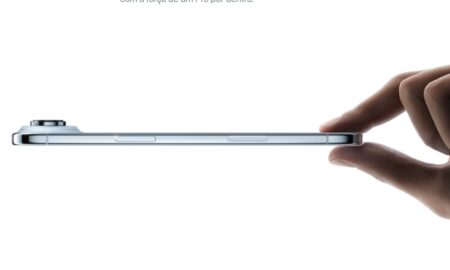
Apple drops iPhone 14 and SE production to push 2025 models


Apple officially stopped manufacturing the iPhone 14, the iPhone 14 Plus, and the third-generation iPhone SE during 2025 across its global supply chain. The decision altered hardware availability for millions of active smartphone users as the manufacturer aligned its catalog with modern technical specifications. This planned hardware transition channels consumer demand directly toward the iPhone 16 family and the anticipated capabilities of the iPhone 17 series.
Retirement of A15 Bionic architecture across entry models
The Cupertino company originally launched the iPhone 14 and iPhone 14 Plus in 2022 using the A15 Bionic chipset. The hardware cycle shifted.
Consumers migrated rapidly toward newer devices featuring the A18 processor, the Dynamic Island interface, modernized camera assemblies, and Apple Intelligence functions, leaving older handsets equipped with the legacy A15 Bionic architecture far behind in global technology markets. The third-generation iPhone SE also operated on this older silicon while lacking both modern display engineering and dual rear sensors. The subsequent arrival of the USB-C equipped iPhone 15 and the 2024 launch of the iPhone 16 series accelerated this technological displacement. Apple coordinated the phaseout to transition its user base of more than 1.2 billion active iPhone owners toward modern hardware.
Manufacturing reallocation toward thinner iPhone 17 Air units
Internal corporate telemetry showed that nearly 70% of iPhone customers in 2024 operated devices introduced within the preceding three years. Decommissioning the three assembly configurations frees factory lines to manufacture slimmer, higher-performance units such as the iPhone 17 Air.
Existing owners of these discontinued handsets face no immediate loss of device functionality or network support. Apple maintains full operating system releases for two to three years following commercial withdrawal, alongside essential security patches for approximately five years. This policy ensures that iPhone 14 and iPhone SE units can receive firmware upgrades through future releases such as iOS 20 or iOS 21.
Hardware alternatives and software support lifespan
Buyers navigating this transition can choose the standard iPhone 15 and iPhone 15 Plus, which feature 48 MP primary cameras. Users requiring higher processing output can purchase the iPhone 16 Pro and iPhone 16 Pro Max, both configured with A18 Pro silicon and 120 Hz ProMotion panels.
- Complete manufacturing termination in 2025 alongside removal from Apple Store retail inventory.
- Availability of full operating system updates such as iOS 20 between 2026 and 2027.
- Projected conclusion of vital security patches by 2028 marking the end of the hardware cycle.
The secondary smartphone market continues to absorb budget-conscious buyers, where the iPhone 14 generated 15% of all used iPhone transactions throughout 2024. Apple countered this demand in March 2025 by launching the budget-oriented iPhone 16e powered by the A18 processor. The firm expanded trade-in allowances to encourage replacements, offering up to 1,500 riyals in promotional value for qualifying trade-in units during 2025. These retail incentives help channel residual market volume toward supported architectures.
Secondary market pricing and ecosystem updates
Historical retail records show that retiring the iPhone 13 in 2023 caused a 20% spike in resale transactions across pre-owned handset networks. Apple retained a 20% global market share in 2024, with premium iPhone Pro models contributing 60% of total revenue during the final calendar quarter.
The hardware revision coincided with tablet and computer updates, including the March 2025 release of the iPad Air with an M3 chip and the MacBook Air powered by an M4 processor. Apple scheduled the introduction of iOS 19 for the WWDC gathering in June 2025. The company also prepared Apple Pay to support direct PayPal account balances before the close of the calendar year.