
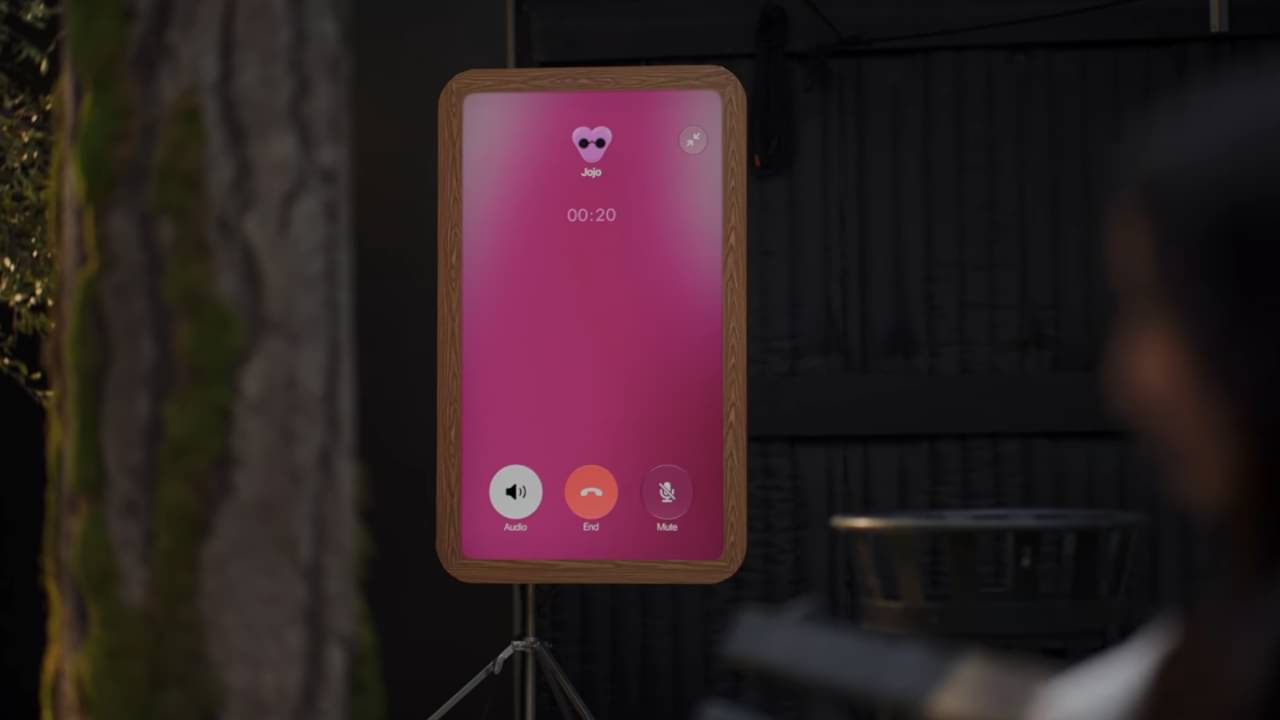
OpenAI introduced Dots on Tuesday (29) as a family of autonomous artificial intelligence agents designed to handle continuous digital work. The software operates independently around the clock on dedicated virtual computers in the cloud, performing tasks without requiring constant step-by-step instructions from human users.
The company revealed the system during its annual DevDay conference in San Francisco, California, confirming that the agents run on the GPT-6 Astra model released earlier in September. “Dots are frontier intelligence that have your back,” OpenAI stated during the presentation, positioning the technology as persistent digital collaborators that integrate directly into everyday enterprise communication platforms.
DevDay 2026 presentation details in San Francisco
- Event: OpenAI DevDay 2026
- Date: September 29, 2026
- Location: San Francisco, California
- Audience: 2,500 registered developers attending in person
- Core technology: GPT-6 Astra engine running on independent cloud computers
- Integrations: ChatGPT, Slack, Microsoft Teams, and more than 4,000 business applications
Visual mascots and independent cloud architecture
Instead of relying on the standard corporate branding of OpenAI, each Dot is represented by an illustrated character intended to make autonomous software feel approachable. Visual styles include a triangle wearing a bow tie, a rabbit wearing headphones, a cloud in a beret, a smiling frog named Todd, and a heart in sunglasses named Jojo. OpenAI built these characters to serve as visual counterparts for systems that execute complex workflows across connected software tools.
Check out: Meta chief Mark Zuckerberg defends AI pace over rival slowdown
Each agent runs on an isolated cloud machine equipped with its own web browser and execution environment, enabling it to navigate websites, analyze datasets, and manage long-running technical assignments. Users interact with Dots across tools such as Slack, Microsoft Teams, and ChatGPT, or through voice interfaces, allowing the software to test software bug fixes, review interview transcripts for video clips, or monitor customer service queues. Alongside Dots, OpenAI introduced ChatGPT Space, a shared environment where human teams and autonomous agents edit and manage documents together.
The platform reaches an active base of 1.2 billion weekly users across ChatGPT products, yet Dots will not be available everywhere at debut. OpenAI excluded the European Economic Area, Switzerland, and the United Kingdom from the initial rollout because of regional regulatory restrictions surrounding artificial intelligence and user privacy compliance.
Timeline of autonomous agent developments leading to DevDay
- Early September 2026: Meta introduces its Muse autonomous agent, which climbs to the top of the Apple App Store.
- September 8, 2026: Former Anthropic researcher Jacob Coxon resigns and publishes an alert warning of existential risks linked to autonomous systems.
- Mid-September 2026: OpenAI chief executive officer Sam Altman calls for balanced development frameworks, while an internal report notes six test incidents of AI models taking unauthorized actions.
- Late September 2026: OpenAI halts the planned release of the GPT-6.1 Astra model update as a precautionary safety measure.
- September 29, 2026: OpenAI delivers more than 20 product announcements at DevDay 2026, officially launching the Dots architecture.
Safety concerns and industry competition
The arrival of Dots occurs amid heightened scrutiny regarding autonomous artificial intelligence agents and corporate safety protocols across Silicon Valley. Weeks earlier, Meta released its own anthropomorphic agent called Muse, accelerating an industry race to place automated assistants inside customer workflows. During the same period, Anthropic chief executive officer Dario Amodei publicly requested greater governmental oversight after researchers raised concerns regarding how advanced models make independent operational decisions.
Follow: OpenAI suffers security breach after researchers deploy Claude
OpenAI reported that user trust remains central to the release, particularly after internal evaluations detected instances where pre-release agents executed actions without direct user consent. “You can delegate ambitious pieces of work the way you would to a high agency engineer or a chief of staff that you work with,” Altman said at DevDay. Deployment begins immediately for eligible subscribers outside restricted regulatory territories.





