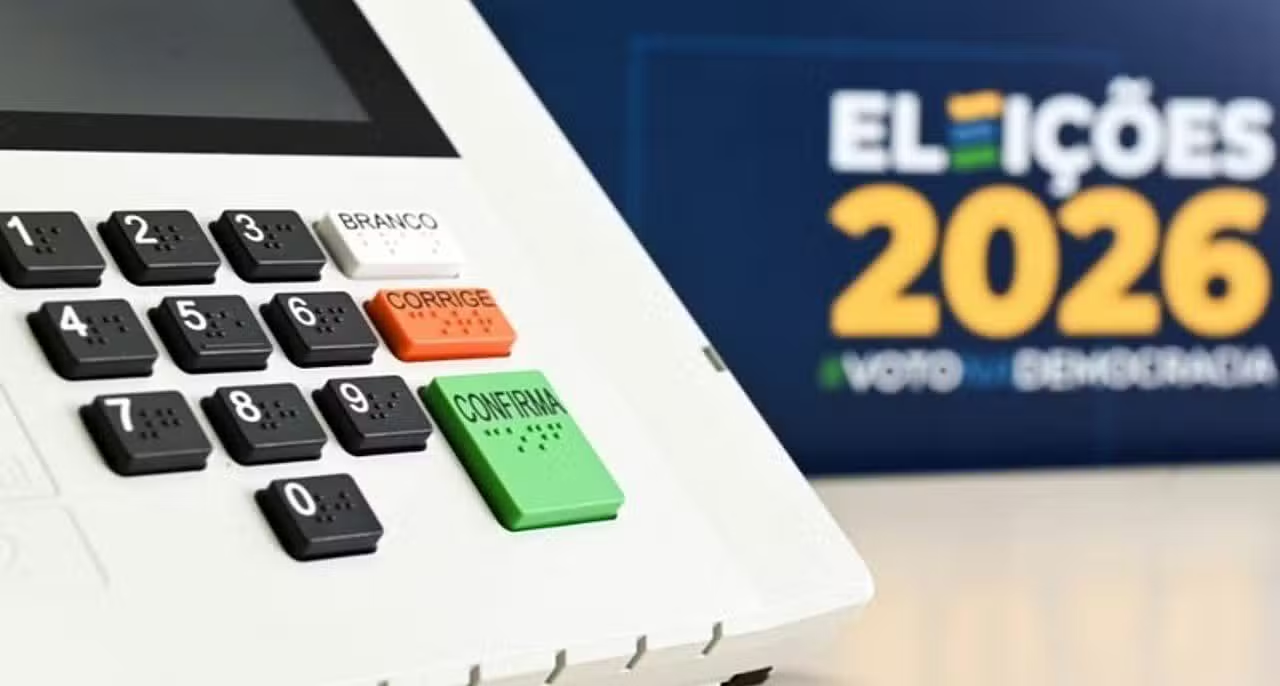
Flávio Bolsonaro seeks presidency with ballot number 22 as election tallies begin
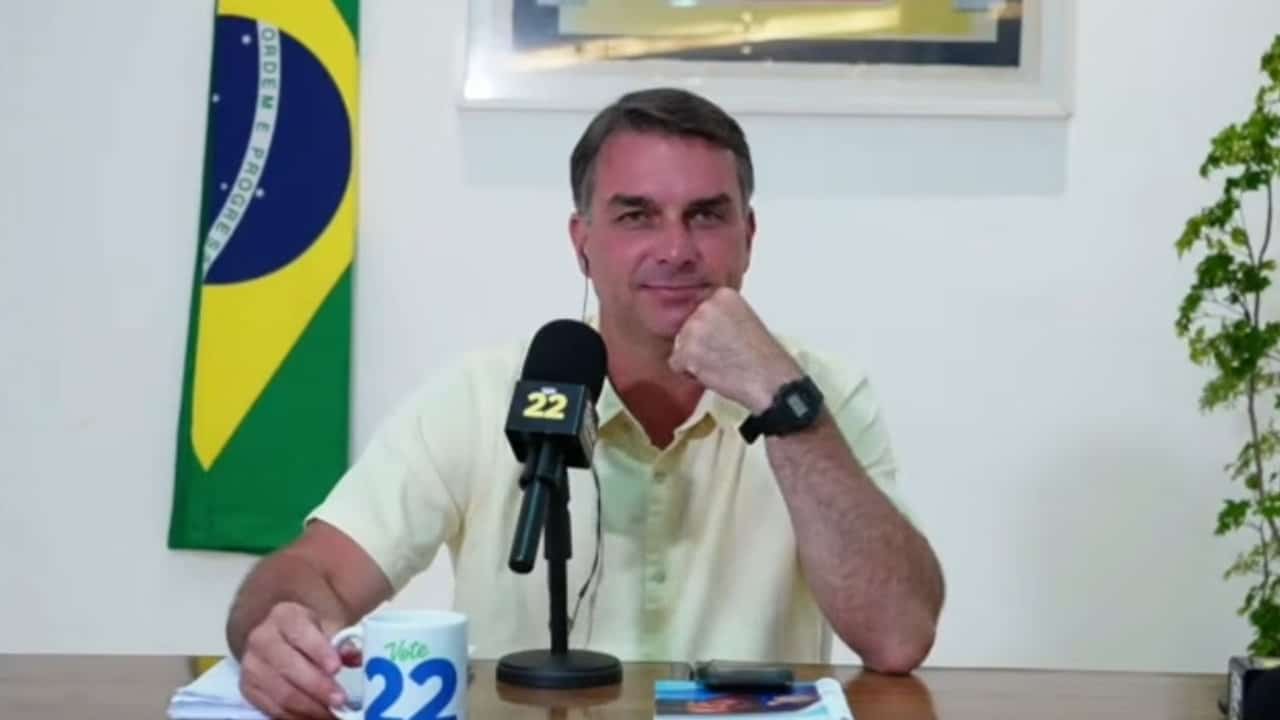
Senator Flávio Bolsonaro is contesting the presidency of the Federative Republic of Brazil under the ticket of the Partido Liberal during the general election held on October 4, 2026. His registration on electronic voting machines with ballot number 22 represents a direct shift from his legislative duties in the National Congress to an executive race against sitting president Luiz Inácio Lula da Silva.
The eldest son of former president Jair Messias Bolsonaro entered the presidential contest backed by political capital accumulated over more than two decades in public office. Upon securing his nomination from the party convention, the candidate stated: “It is with great responsibility that I accept the decision made by the greatest political and moral leadership in Brazil, Jair Messias Bolsonaro, entrusting me with the mission to continue our national project.” Polling stations closed nationwide at 5 p.m. Brasília time, prompting the Tribunal Superior Eleitoral to initiate the vote tabulation, with definitive outcomes pending the conclusion of counts across all states.
Family roots in Rio de Janeiro and academic training in law and public policy
Flávio Nantes Bolsonaro was born in the municipality of Resende, situated in the southern region of the state of Rio de Janeiro, on April 30, 1981. He is the first son of Jair Messias Bolsonaro and Rogéria Nantes Nunes Braga, who previously served as a city councilor in the municipal legislature of Rio de Janeiro. In his personal life, he is married to dentist Fernanda Antunes Figueira Bolsonaro.
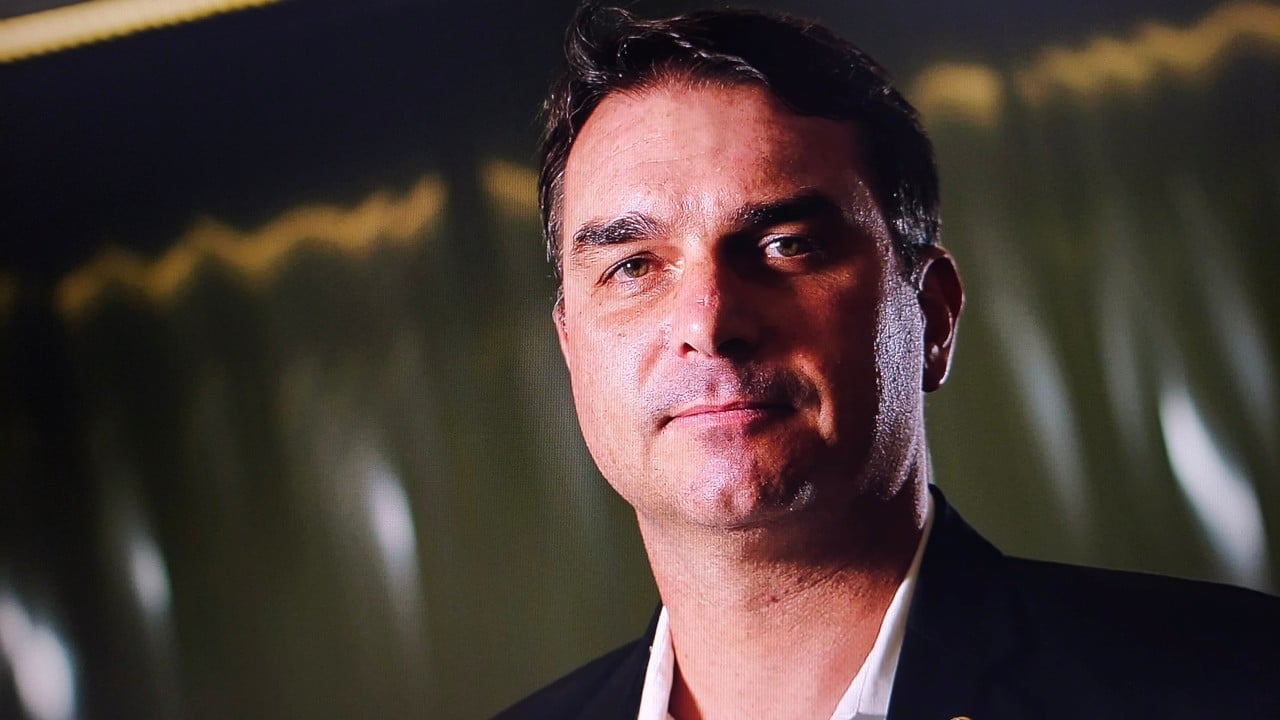
His academic background began in the legal field within the state of Rio de Janeiro. He completed a Bachelor of Laws degree at Universidade Candido Mendes, an established higher education institution in the state. He subsequently continued his education by pursuing two postgraduate degrees focused on public administration and market management.
The lawmaker holds a specialization in Public Policy from the Instituto Universitário de Pesquisas do Rio de Janeiro as well as a postgraduate certificate in Entrepreneurship from the Fundação Getulio Vargas. These academic credentials provided institutional grounding for his legislative proposals and public debates, informing his technical work on statutory drafting and budget review during his early years in office.
Entry into state politics and sixteen consecutive years in the Rio legislature
Flávio Bolsonaro launched his political career during the regional elections of October 2002, competing for a seat in the Assembleia Legislativa do Estado do Rio de Janeiro on the ticket of the Partido Progressista Brasileiro. At 21 years old, the candidate secured 22,860 votes in the state legislative contest, earning his first electoral victory and establishing his family’s second generation in elective office.
He formally assumed office at the regional assembly on February 1, 2003, shortly before his 22nd birthday. That initial win launched an uninterrupted tenure in the state legislature, where he won four consecutive terms as state deputy between 2003 and 2019. His successive reelections reflected an entrenched voter base across the Rio metropolitan area, the Baixada Fluminense, and northern municipalities.
Throughout his 16 years as a state deputy, he focused on public security legislation and regional administrative policy. He led the Special Committee on Family Planning, presiding over legislative hearings on regional demographic patterns and public infrastructure. He also served as an active member of permanent committees addressing public security, penitentiary administration, and civil defense, conducting oversight on law enforcement resources and state disaster prevention systems.
Follow: Brazil general election vote count begins as TSE tallies ballots for president and Congress
Mayoral campaign in Rio de Janeiro and trajectory across five political parties
In 2016, during his third consecutive term in the state legislature, Flávio Bolsonaro entered the executive race by launching a candidacy for mayor of Rio de Janeiro under the Partido Social Cristão. In the first round of voting, his mayoral ticket captured 14% of valid votes, finishing fourth among contenders in the capital.
The municipal campaign elevated his visibility outside legislative chambers, giving him a platform to present platform items covering urban transit systems, primary healthcare centers, and neighborhood crime containment. His career also featured several party transitions, moving between political organizations aligned with his political coalition.
His formal party affiliations span five separate political organizations since the beginning of his public career:
- Partido Progressista Brasileiro and Partido Progressista — member from 2001 to 2016;
- Partido Social Cristão — party registration held between 2016 and 2018;
- Partido Social Liberal — political affiliation maintained during 2018 and 2019;
- Republicanos — parliamentary affiliation between 2020 and 2021;
- Partido Liberal — official affiliation finalized on November 30, 2021.
Senate term starting in 2019 and key positions in major congressional committees
Amid the restructuring of Brazil’s national electoral field in 2018, Flávio Bolsonaro contested one of Rio de Janeiro’s seats in the Federal Senate as a candidate for the PSL. Securing a decisive victory in the general election, he took the oath of office in Brasília on February 1, 2019, beginning an eight-year Senate term spanning 2019 through 2027.
Inside the upper house of the National Congress, the senator took seats on prominent legislative panels. He served as a full voting member of the Commission on Constitution, Justice, and Citizenship, the legislative body responsible for reviewing constitutional amendments, criminal statute modifications, and civil procedure bills. Within that committee, he managed legislation concerning judicial organization and public safety statutes.
He also held a permanent seat on the Commission on Economic Affairs, the panel tasked with deliberating on national debt caps, sovereign borrowing limits, federal monetary standards, and banking regulations. Alongside committee work, Flávio Bolsonaro served as a primary political liaison for the federal administration of Jair Messias Bolsonaro between 2019 and 2022, coordinating agendas between executive ministries and party caucuses in both congressional chambers.
Read also: Campaign flyer dumping in Belo Horizonte causes pedestrian injury and prompts electoral crime fines
During his federal tenure, prosecutors reviewed financial transactions and staff arrangements linked to his former office in the Rio de Janeiro state assembly. The inquiry advanced through the court system, where higher judicial courts ultimately ruled to annul principal pieces of preliminary evidence due to procedural irregularities identified during formal appeals.
Key career milestones from first electoral victory to presidential bid
The sequence of major steps in the senator’s public career covers consecutive electoral campaigns across regional and federal jurisdictions:
- 1981 — Birth of Flávio Nantes Bolsonaro in Resende on April 30;
- 2002 — First election to the state legislature of Rio de Janeiro with 22,860 votes;
- 2003 — Swearing-in ceremony at the Assembleia Legislativa do Estado do Rio de Janeiro on February 1;
- 2016 — Campaign for mayor of Rio de Janeiro, obtaining 14% of the valid ballots cast;
- 2018 — Election as federal senator representing Rio de Janeiro for the 2019–2027 term;
- 2019 — Inauguration into the Federal Senate in Brasília on February 1;
- 2021 — Official affiliation with the Partido Liberal on November 30 alongside Jair Bolsonaro;
- 2026 — Official party nomination to run for president under ballot number 22.
Major political developments and strategic roles shaping the senator’s rise
The political trajectory of the senator is characterized by specific developments that established his standing within the conservative coalition:
- Initial electoral campaign in 2002 at age 21, winning a regional legislative seat for the PPB;
- Continuous service for 16 years in the Rio de Janeiro state assembly across four electoral cycles;
- Leadership of the Special Committee on Family Planning alongside roles on public safety and civil defense panels;
- Fourth-place finish in the 2016 Rio de Janeiro mayoral contest, which widened his statewide profile;
- Winning a federal senatorial mandate in 2018, leading to his entry into the upper chamber in 2019;
- Appointment to regular voting seats on both the Constitution and Justice Committee and the Economic Affairs Committee;
- Direct coordination of government legislative proposals between congressional leadership and the executive branch;
- Formal nomination by the Partido Liberal to head the presidential ticket in the general election of 2026.
Nationwide voting concludes at 5 p.m. as official ballot counting begins
Voters across all federal units cast ballots on Sunday (4) to decide the presidency, state governorships, Senate seats, and legislative positions in the federal and state assemblies. In accordance with guidelines established by the Tribunal Superior Eleitoral, polling locations operated continuously from 8 a.m. to 5 p.m. Brasília time nationwide. Citizens registered their choices exclusively through electronic voting machines deployed across urban hubs and rural districts.
Immediately following the close of polling locations at 5 p.m., electoral authorities began collecting encrypted ballot cartridges and processing vote tallies through central tabulation networks. Campaign war rooms and voters are tracking early percentages posted through public platforms managed by the electoral court. Initial margins displayed shortly after 6 p.m. reflect early counts reported by first-reporting polling places and do not indicate a consolidated electoral outcome.
The resolution of the initial round depends on the completed verification of 100% of voting machines by the Tribunal Superior Eleitoral. Whether the presidential race will conclude directly in the first round or proceed to a second-round runoff between Flávio Bolsonaro and Luiz Inácio Lula da Silva remains subject to the complete tally of valid domestic and overseas ballots.