Samsung Galaxy S26 displays face burn-in risk as One UI 9 update limits pixel shift protection
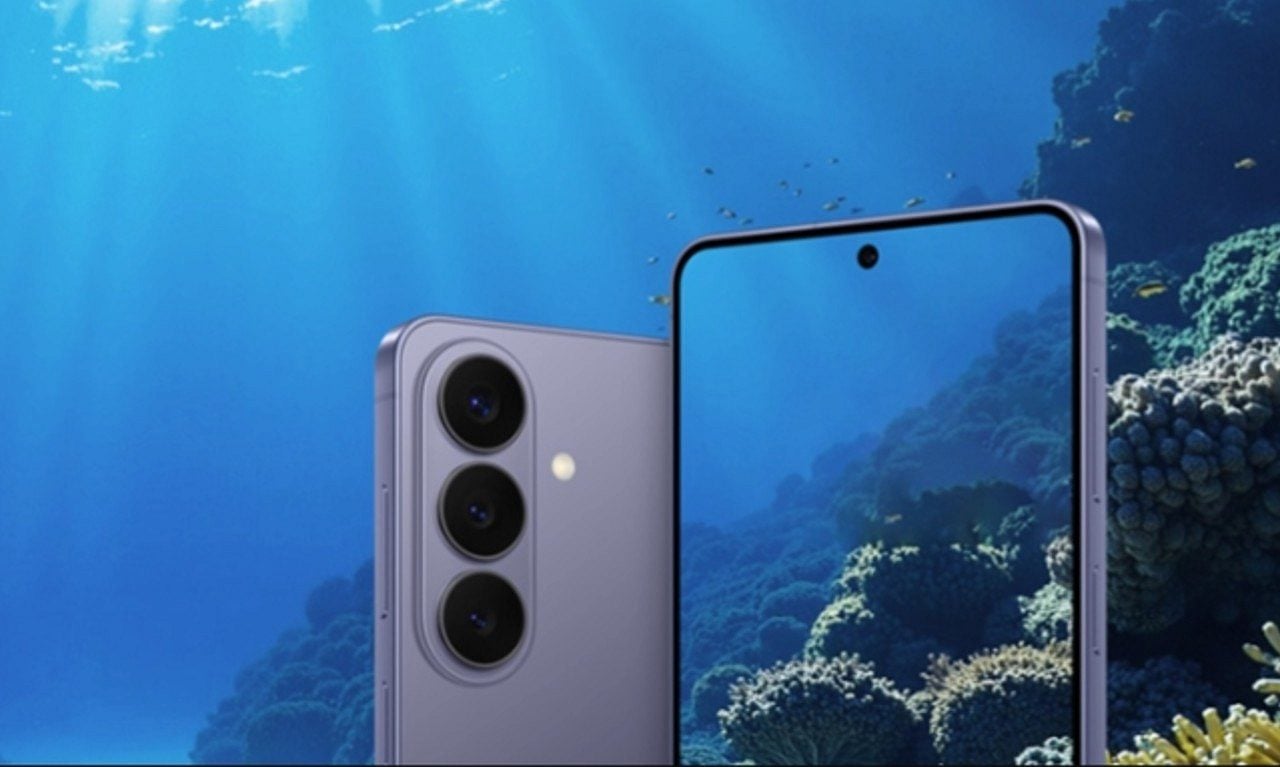
Smartphone owners using devices across the Samsung Galaxy S26 series have documented a technical defect in the One UI 9 operating environment that undermines built-in burn-in defenses on AMOLED panels. The underlying software anomaly restricts the subtle continuous movement of icons located along the upper edge of the display, causing visual interface components to remain stationary in one directional path and increasing long-term physical wear on organic light-emitting subpixels.
The problem was first detailed by community member u/dragosslash on dedicated brand discussion boards on September 30, 2026. In their public analysis of the operating logic, the researcher explained that status indicators and navigation markers are engineered to alter position on a minute-by-minute basis or whenever screen orientation switches. According to the report, these visual markers must translate several pixels across both the horizontal X-axis and vertical Y-axis, but One UI 9 introduced an operational flaw where upper status bar icons only reposition horizontally.
Screen overlay tests demonstrate missing vertical pixel movement in status bar
To substantiate the software regression in the latest firmware distribution, the user captured six diagnostic screenshots and layered them utilizing transparency tools. Three captures were recorded on devices running One UI 9, while an identical set of three reference captures came from the previous One UI 7 environment. The comparative overlay revealed that upper status icons failed to execute any vertical displacement along the Y-axis on the newer system, drifting solely back and forth across the horizontal X-axis.
Unlike the indicators for battery percentage, cellular reception, and clock readouts placed at the top of the interface, the lower navigation bar retained its intended operating behavior. Virtual buttons and interactive swipe gestures at the bottom of the display continue to execute automatic shifting along both spatial axes without interruption, fulfilling the continuous protective cycles conceived by Samsung engineers to preserve organic screen layers.

The automated routine of microscopic drift, known across the electronics industry as pixel shift, runs imperceptibly during regular operation to safeguard active displays. By regularly moving persistent interface elements, the software ensures individual subpixels do not maintain uniform luminous output over extended durations. When this defensive routine stalls over prolonged periods, static graphic elements generate permanent burn-in on AMOLED matrices, resulting in irreversible structural degradation that requires a complete replacement of the display assembly to rectify.
Practical display adjustments help users reduce burn-in risks before official patch arrives
Prior to the rollout of an official firmware correction, several practical operational adjustments can help device owners diminish the rate of subpixel fatigue across flagship panels. Enforcing system-wide dark mode, maintaining moderate display brightness during daily operations, and replacing the bottom navigation buttons with gesture navigation reduce persistent electrical load on vulnerable screen regions. These interim practices minimize direct photon strain on static areas while engineers finalize corrective code.
The community member who discovered the anomaly stated that the diagnostic findings were formally submitted to Samsung technical teams prior to the general consumer rollout. In their public statement, the author noted that the issue was reported during the beta evaluation phase yet remained unpatched when the general public release went live. The user advised affected consumers to submit diagnostic logs through the Samsung Members platform to expedite priority engineering attention on the bug.
Software release archives confirm that Samsung has encountered identical implementation hurdles during prior major interface transitions. When One UI 6.0 rolled out in November 2023, the automated pixel shift routine for upper status bar elements was similarly disabled by mistake. The manufacturer eventually corrected the oversight by issuing an incremental maintenance build to supported hardware over the subsequent release cycles.
Learn more: Samsung schedules One UI 9 rollout across 3 Galaxy lineups
Hardware specifications and retail pricing structure across the Galaxy S26 family
The base Samsung Galaxy S26 features a 6.3-inch display, 12 GB of RAM, 256 GB of onboard storage, and a triple rear camera arrangement incorporating 50 MP, 12 MP, and 10 MP sensors, with retail pricing starting at R$ 4,297 across regional electronic storefronts. The device serves as the entry tier for the South Korean manufacturer’s flagship generation, running One UI 9 out of the box.
Positioned alongside the entry model, the Galaxy S26 Plus and Galaxy S26 FE represent higher-tier configurations within the product family. Both variants target consumers seeking expanded footprint and hardware capabilities, with retail availability across commercial distribution channels starting at R$ 4,999.
The premium Galaxy S26 Ultra incorporates a 6.9-inch screen, a four-sensor camera array, 12 GB of RAM, and internal storage capacities spanning from 256 GB up to 512 GB. Commercial pricing for the Ultra tier begins at R$ 6,720 through verified retail outlets.
Across the entire line, Samsung relies on AMOLED panel hardware that requires continuous dynamic pixel displacement to resist permanent visual retention. Without functional multidirectional pixel shift routines, static high-contrast software elements gradually leave permanent marks on the display glass.
Software maintenance timeline remains unconfirmed by manufacturer engineers
Samsung has not issued a formal public advisory regarding the community findings or detailed the precise software build designated to deliver the patch. Technical development schedules for the maintenance update that will reinstate dual-axis pixel movement across affected handsets remain undisclosed.