
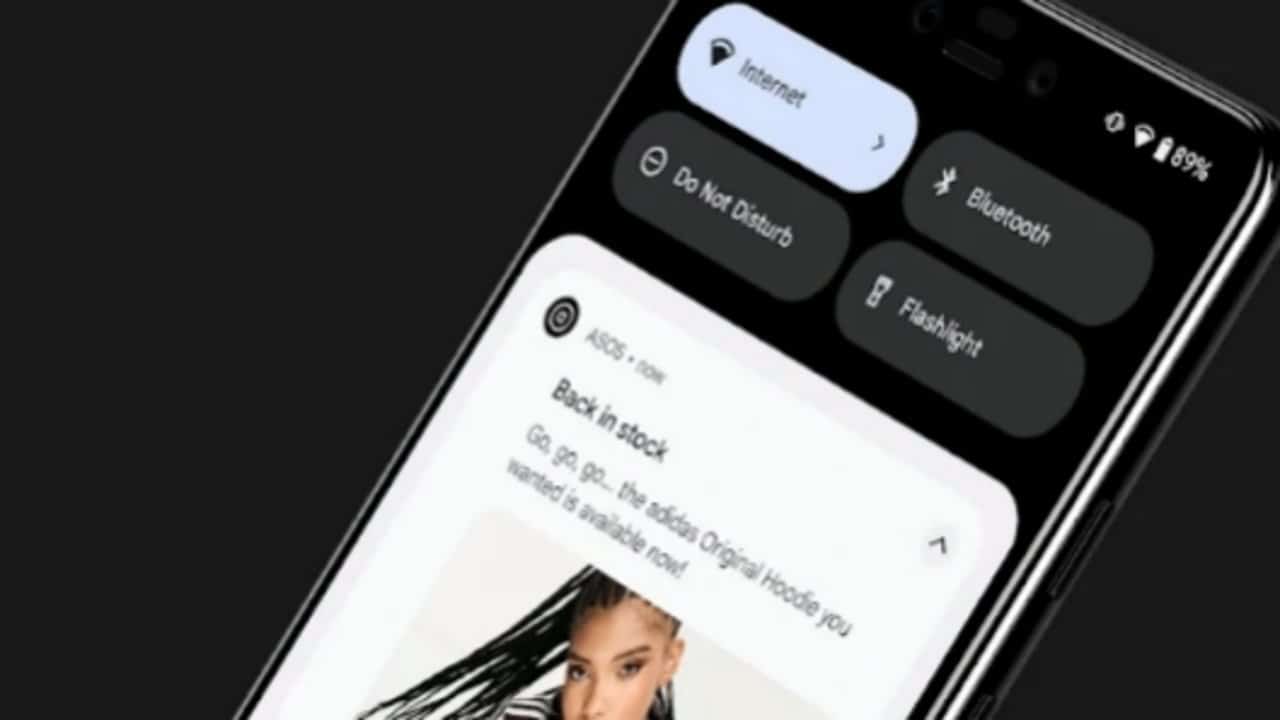
Mobile devices belonging to customers of British fashion retailer ASOS displayed unauthorized alerts warning of an extortion campaign and threatening to publish internal corporate records unless executives established contact. The disclosure caused immediate turbulence across London equity markets on Tuesday, October 6, 2026, driving ASOS shares down between 10% and 12.5% during morning transactions, while shares in data infrastructure supplier Snowflake slipped approximately 3% in New York pre-market trading.
The unauthorized transmission reached consumer devices as a system push banner bearing the subject line “ASOS HACKED”. Rather than targeting ordinary retail shoppers, the text specifically singled out the company’s data protection officer and technology personnel with the message: “Dear ASOS DPO and IT, we have fully compromised the Snowflake instance. Engage with us, or we will leak it”. The alert routed recipients to an external discussion space hosted on Telegram, created under the moniker Xuanye Group.
Security analysts noted the unusual tactic of converting the victim company’s own consumer application into a public transmission device for an extortion demand, departing from traditional extortion playbooks that emphasize private negotiations to secure quiet settlements. Charlotte Wilson, head of enterprise solutions at Check Point, highlighted the boldness of the intrusion: “If confirmed, this represents an exceptionally severe intrusion because the attackers took the audacious step of turning the retailer’s own application into their extortion note,” Wilson said. She explained that consumers inherently place substantial trust in alerts delivered through installed retail software because they operate under the assumption that incoming messages originate solely from the platform operator.
While the message appeared on customer hardware throughout the United Kingdom and several international markets, ASOS maintained uninterrupted online store and mobile application transactions throughout the morning of October 6, 2026. Inside the external channel opened by the perpetrators, the group posted statements claiming that customer banking records and debit card credentials had not been extracted. Internal technical personnel at ASOS initiated a forensic inquiry to clarify whether core cloud databases had sustained unauthorized penetration or whether the intrusion remained restricted to the customer notification infrastructure.
Technical investigations assess infrastructure and customer risk
The clear structural division between messaging channels and enterprise data warehouses has raised questions among forensic investigators about the scope of systems exposed during the breach. Dan Bird, cybersecurity specialist at Horizon3, observed that outbound notification engines operate independently of core analytical repositories: “Broadcasting a push alert to ASOS app users requires control over the business notification mechanism, which remains distinct from the Snowflake analytics environment referenced in the threat,” Bird explained. If both elements of the extortion message prove accurate, the breach would suggest that attackers secured credentials spanning multiple isolated compartments of the corporate network.
See also: Google introduces Gemini 4 Argon to automate software engineering and security
Enterprise cloud architectures also carry heightened scrutiny due to the sensitive profiles held in external storage repositories, as outlined by Dray Agha, senior manager of security operations at Huntress. “Snowflake serves as an enterprise-grade cloud repository where commercial merchants store confidential customer profiles, creating genuine concern if cybercriminals achieved the access they claim,” Agha stated. He added that the generation of unauthorized customer push alerts demonstrates that the perpetrators also compromised the operational tools overseeing the ASOS mobile interface.
Under United Kingdom data protection statutes overseen by the Information Commissioner’s Office, corporations maintain a legal window of up to 72 hours to submit formal notifications after establishing that protected personal customer data has suffered an unauthorized compromise.
Check out: GrapheneOS confirms Motorola Signature 27 as first non-Pixel phone
Key market reactions and operational data points
- A drop of 10% to 12.5% in ASOS equity valuation on the London Stock Exchange during early trading following the incident.
- A decline of approximately 3% in Snowflake shares during pre-market trading in New York financial sessions.
- A customer base ranging from 16.4 million to 17 million active global consumers across more than 150 geographic markets.
- A regulatory notification window of 72 hours established by British data protection authorities for confirmed customer privacy incidents.
Financial pressures meet cloud platform security concerns
The security scare surfaces during a complex financial period for ASOS, which recently reported £2.5 billion in annual revenue alongside an operating loss of £212 million in its preceding fiscal evaluation. External repositories operating on Snowflake infrastructure have previously been linked to high-profile international cyber incursions involving Ticketmaster and Banco Santander, cases that heightened scrutiny across the corporate sector regarding cloud governance controls.
Sequence of events during the extortion alert
- Early morning, October 6, 2026: Creation of the Xuanye Group public channel on the Telegram messaging service prior to the alert.
- 10:01 a.m., October 6, 2026: Unauthorized push notification titled “ASOS HACKED” lands on mobile devices across multiple countries.
- Morning trading, October 6, 2026: Immediate slide in ASOS stock prices in London alongside the launch of an internal cybersecurity inquiry.
The technical investigation conducted by ASOS focuses on establishing whether databases under company custody experienced data extraction or whether the incident was confined to the administrative interface managing consumer push alerts. Inquiries with external infrastructure partners remain ongoing as security teams review server access logs.





