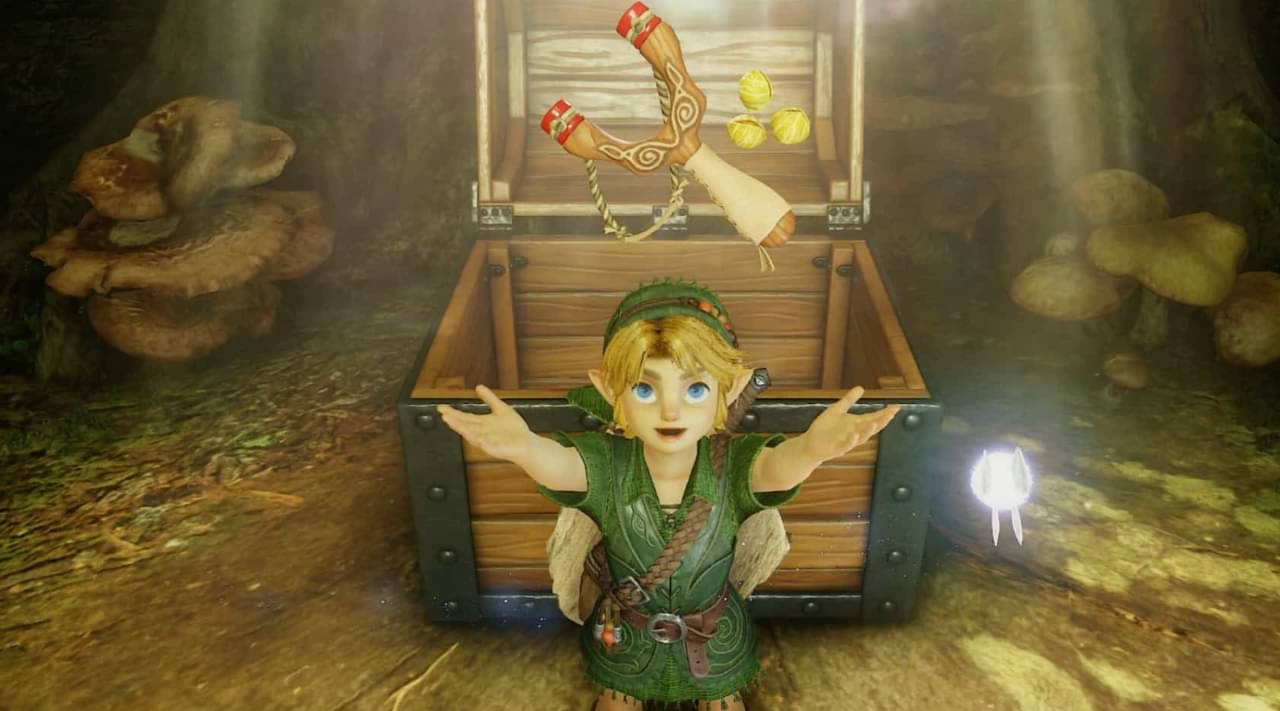
Players stepping into the remake of The Legend of Zelda: Ocarina of Time on the Nintendo Switch 2 will have access to three screen interface presets and two distinct configurations for locking onto enemies with the ZL button. The technical configurations surfaced on Saturday (17), ahead of the exclusive worldwide launch scheduled for November 5, 2026.
Rather than coming from an official bulletin issued by Nintendo headquarters in Kyoto, the menu specifications emerged through preview captures shared by content creator Zeltik, a YouTuber who specializes in the adventure series. He tested an early build of the software at the invitation of Nintendo UK and Nintendo Europe, with the footage appearing shortly after hands-on impressions and an official overview trailer went live on Wednesday (14).
Visual interface presets and screen customization
Within the video and display settings menu, players can select from three distinct configurations for the heads-up display (HUD), the overlay that shows health, buttons, and status icons during gameplay. The setup lets users tailor their view of the Kingdom of Hyrule, ranging from a traditional layout to a completely clear screen that changes how players track combat hazards and navigate the environment.
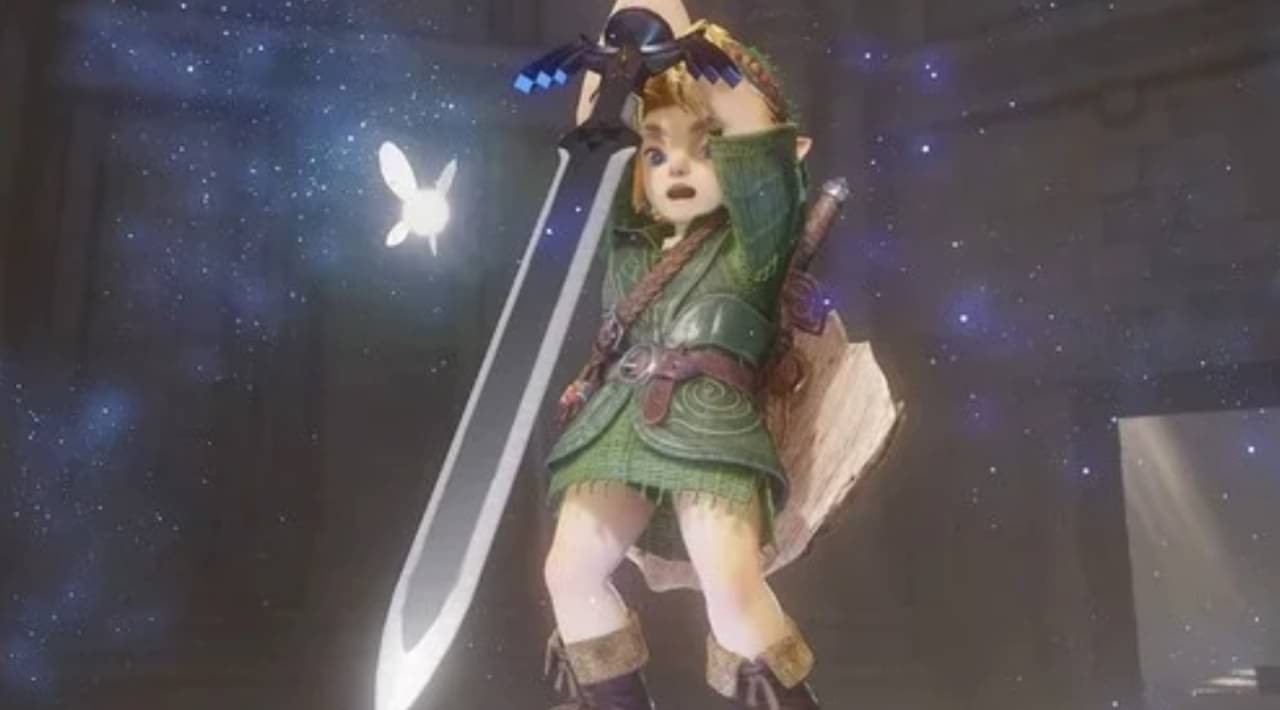
Each of the three display options confirmed in the configuration screens adjusts the visual elements of the campaign according to specific parameters:
- Standard: Displays the full game interface with all traditional on-screen indicators, including the row of hearts that tracks the health of the protagonist Link.
- Pro: Scales back the number of visible graphical elements, leaving only minimal data and essential prompts to provide a less obstructed view of the surrounding terrain.
- Master (Master Display): Strips away the entire on-screen interface, hiding even the Z-target lock-on reticle above enemies so that players must rely solely on the fairy companion Navi for visual cues.
Enemy lock-on mechanics and controller settings
Alongside the screen layout tools, the settings screen introduces a section labeled Targeting Type, which governs how the lock-on system behaves when focusing on hostile creatures and interactive objects. The control scheme provides two activation methods tied to the rear ZL button on the Nintendo Switch 2 controller.
Choosing the Hold setting requires the player to keep the ZL button pressed down continuously to keep the camera and aim locked onto a chosen target. Selecting the Toggle setting allows a single tap of the ZL button to engage the lock-on focus over an enemy, while a second tap releases the target, freeing the player from holding down the trigger during extended sword fights.
Follow: Nintendo confirms 1998 Zelda Ocarina of Time remake on Switch 2
The configuration panel captured in the preview build also groups together several accessibility and gameplay customization toggles. Users can switch gyroscope-based motion aiming on or off for ranged weapons, as well as enable or disable dialogue subtitles for the newly voiced cutscenes. Additional menu rows allow players to change the spoken voice language, adjust controller vibration strength, remap button assignments, and pick specific input methods for playing the musical Ocarina.
Structural additions, new modes, and hardware launch schedule
Built from the ground up exclusively for the Nintendo Switch 2 hardware—without support for the standard Nintendo Switch, Switch Lite, or Switch OLED—the remake reimagines the classic adventure originally released for the Nintendo 64 in 1998 as a centerpiece of the franchise’s 40th-anniversary celebrations. The overhaul goes beyond menu tweaks to introduce rebuilt graphics, a modernized camera, expanded character dialogue, and adjustments to puzzles, side quests, and the interior layout of the Forest Temple dungeon. The package also adds two brand-new features titled Hall of Fallen Foes and Navi’s Thoughts.
Direct character control receives a major physical update by assigning the X button to a manual jump, a movement mechanic similar to the one used in The Legend of Zelda: Breath of the Wild, alongside a dedicated dash ability for crossing open areas on foot. Quick inventory selection has also been reworked, operating when the player holds the R button while tilting the analog stick. Outside the game software, the release connects with the ZELDA NOTES service through the Nintendo Switch App on smart devices and supports two new interactive amiibo figures that grant special masks when tapped, while older franchise amiibo yield helpful adventure items.
While the preview screenshots reveal the structure of the options screen, the full text breakdown of every command listed on the controls page has not yet been disclosed in its entirety. Ahead of the game’s arrival, Nintendo will release a themed Nintendo Switch 2 console and a matching Pro Controller on October 29, 2026, followed by the worldwide launch of The Legend of Zelda: Ocarina of Time on November 5, 2026.