Beijing workers live in tunnels and pipes to escape high rents
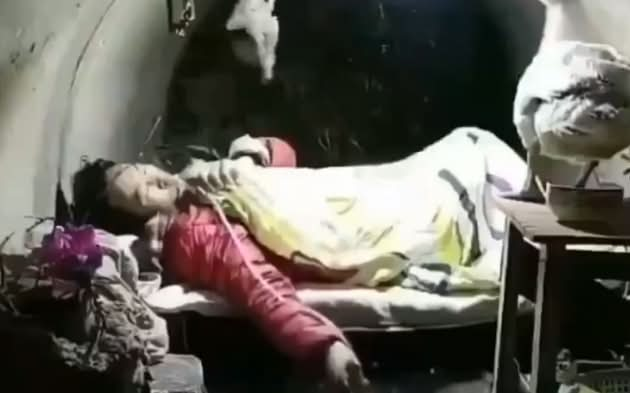
Migrant workers and low-income laborers in Beijing are moving into maintenance shafts, heating tunnels and underground galleries. As of 3 November 2026, rising property prices in the Chinese capital have pushed regular housing out of their reach.
Rent for a standard apartment in the city absorbs most of what these workers earn. Many of them send money to relatives in distant provinces, so they cut daily living costs as far as they can. Residents call themselves the “rat tribe,” a term for laborers drawn to jobs in large urban centers who end up sheltering in the city’s pipes.
What the underground shelters look like inside
Heating pipes run beneath the streets and warm the ground through the harsh northern winters. In many places the ducts keep the space artificially heated, but occupants face burns from leaks of high-pressure steam.
Each gallery covers only a few square meters, and the ceiling is too low for anyone to stand. Makeshift beds made of old blankets sit beside exposed electric wires, small stoves and containers of drinking water collected from public toilets nearby.
There are no windows, sanitation or proper ventilation, so moisture and toxic fumes build up inside. Heavy rain can flood the spaces, and residents enter through heavy manhole covers that are lifted quietly at night to avoid complaints from neighbors.
Size, hazards and cost of the spaces
- Type of space: utility inspection wells, disused storm drains and converted air-raid shelters
- Average size: 2 to 6 square meters, with ceilings often below 1.5 meters high
- Main hazards: carbon monoxide inhalation, burns from hot steam pipes and asphyxia
- Cost: no charge in public wells, and nominal fees paid to illegal middlemen in basements
How the hukou system limits access to housing
Millions of people have moved from the countryside to cities such as Beijing and Shanghai. The hukou, a household registration system in force since the 1950s, ties access to public services to a person’s registered place. Rural registrants without an urban record lack equal access to subsidized housing programs, public schools for their children and full health care.
Without permission to apply for municipal social housing, informal workers accept jobs with limited pay. Their average monthly income does not cover a standard apartment or a regular studio in the central districts.
See also: Novak Djokovic secures 30th straight Beijing win after medical timeout
Beijing authorities have closed dozens of gallery entrances and welded manhole covers shut during fire-safety inspections and urban clean-up campaigns. Many displaced residents moved to distant outlying districts, while others searched for new openings in pipes that remained accessible.
Timeline of underground living in the capital
- 1960s and 1970s: large-scale air-raid shelters built during the Cold War
- 1980s and 1990s: underground spaces opened for civilian storage, warehouses and cheap temporary housing
- Early 21st century: rapid rise in property prices in Beijing and a large influx of rural workers without a local hukou
- Recent years: state campaigns intensify to clear informal housing below street level
Pressure on city governments and migrant labor
Real estate pressure in major metropolitan areas challenges municipal governments, which must balance urban growth with steady demand for workers in construction, cleaning and fast deliveries. Without affordable housing near job centers, the cracks in urban infrastructure remain the last option for the most vulnerable groups.