iPhone Air 2 leak adds second 48MP camera and 5.2mm body before spring 2027

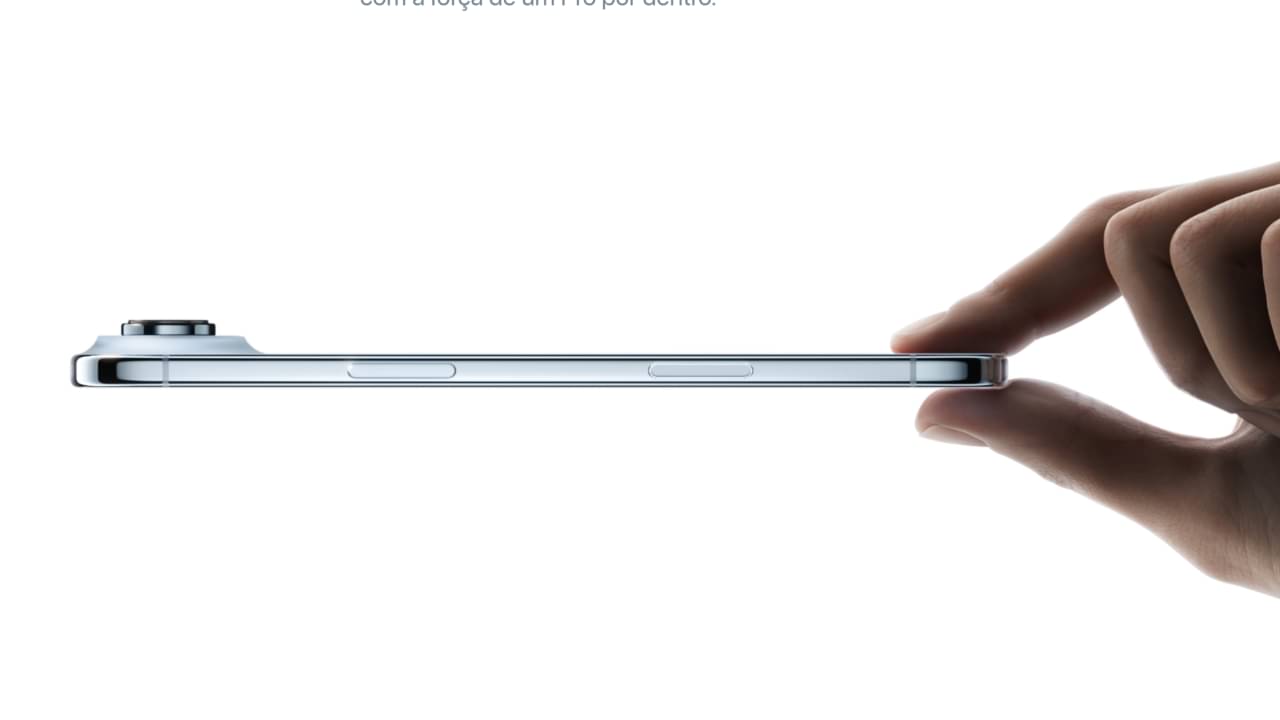
Aluminum dummy units of the next iPhone Air show a second rear camera and a body about 5.2 mm thick. The metal mockups were posted on X on November 9, 2026, by the user Lusi Roy, and Apple has confirmed neither the design nor the specifications.
The first iPhone Air, launched in 2025 with a single rear camera, drew criticism from owners who wanted a second lens. Its launch price was $999, and Apple later raised it to $1,099.

Engineers reportedly cut the thickness by 0.4 mm, from 5.6 mm in the first generation to 5.2 mm. The original profile left little room for heat dissipation and battery cells, according to the leak. If the target holds, the model would be the thinnest smartphone produced in series.
The dummy shows a longer camera island set vertically, which would allow recording spatial video for the Apple Vision Pro headset. Digital Chat Station, a leaker cited by industry analyses, says the second lens will be a 48 MP ultra-wide sensor, the same resolution as the main camera. The change would also remove the digital zoom that weakened photos on the previous model.
The new circuit boards use denser layers. To fit two high-resolution sensors inside a 5.2 mm body, the optical stabilization modules were made smaller. The side walls keep their rigidity, and the phone does not gain weight.
Learn more: Apple sells iPhone 17 Air from $999 in the US, with 5.6 mm body and iOS 26
Dummy units show the changes to the aluminum body
- Body thickness: from 5.6 mm to 5.2 mm in the main section
- Camera module: two lenses arranged vertically
- Sensors: a main 48 MP camera and a new 48 MP ultra-wide camera
- Build: a single block of aluminum machined on a CNC (computer numerical control) machine
- Cooling: internal heat sinks rebuilt, with no active fan
Two lenses change the model’s place in Apple’s lineup. In 2025, Apple explained the lack of a second lens by the need for extreme lightness. Buyers, however, accepted the price with reservations when compared with the standard iPhone models in the middle of the range.
The changes to the optics and the silhouette will affect the accessories market and the decisions of people planning to replace their phones. Reports point to a spring 2027 launch, next to the iPhone 18. Apple has not announced a price or a date.
How the new design would affect cases, photos and price
- Cases and magnetic mounts: first-generation models will no longer fit because the camera bump has a different shape
- Photos: a 120-degree ultra-wide angle and compatibility with immersive films for mixed reality
- Ergonomics: a flat finish that needs aerospace-grade aluminum alloys to avoid deforming under pressure
- Price: a position just below the Pro models with titanium bodies
The ultra-thin design went through several engineering stages in recent years, and it produced the shape seen in the current dummies. Apple has not presented any of these models officially. The phone’s sales are also part of the story, since reports published in October 2026 said the original iPhone Air sold less than Apple expected.
Timeline of Apple’s ultra-thin models since 2024
- 2024: start of engineering tests on two-part motherboards thinner than 6 mm
- 2025: debut of the first ultra-thin model, with a 5.6 mm body, one 48 MP camera and a starting price of $999
- 2026: buyers rejected the model over weak camera capabilities, and engineers approved a 5.2 mm prototype with two sensors
- 2027: planned window for the production models, next to the 18th-generation iPhone
The dummies still circulate among partner factories, where electromagnetic compatibility and resistance to twisting are tested. The dummies alone do not confirm the thickness or any production parameter. According to Digital Chat Station, the battery would reach 3,500 mAh, against 3,149 mAh in the current Air.