South Korea scrambles fighter jets after Russia ignores KADIZ notice rules

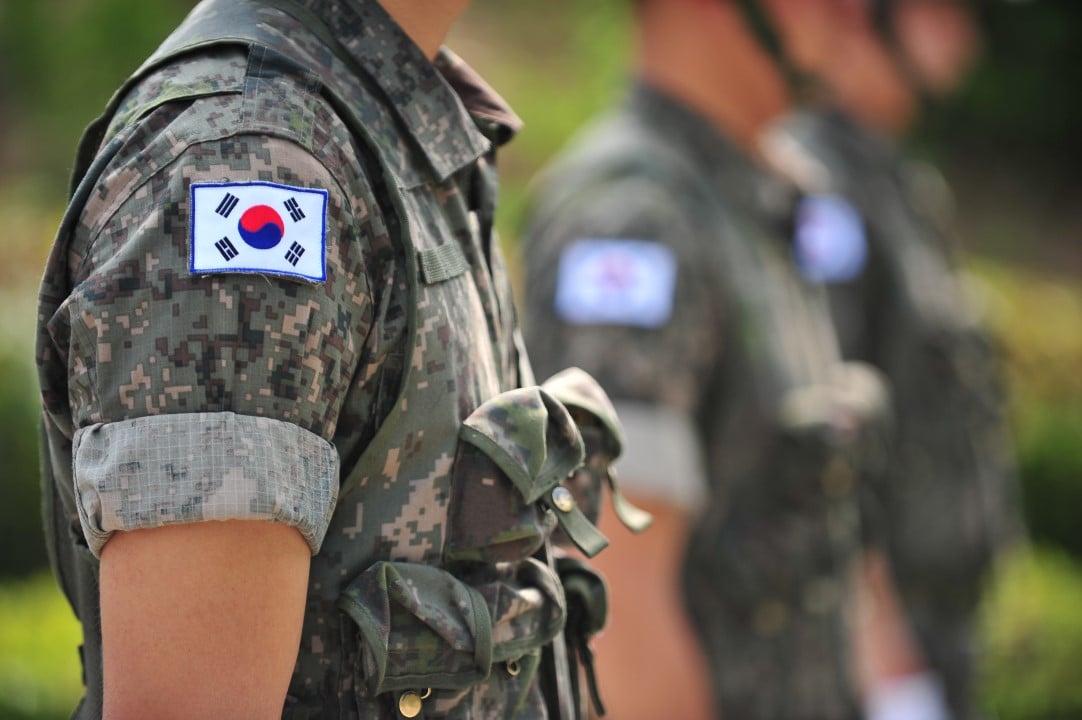
South Korea scrambled fighter jets and carried out tactical maneuvers after Russian military aircraft entered its Korea Air Defense Identification Zone (KADIZ) early on Tuesday, November 17, 2026, local time. The Joint Chiefs of Staff (JCS) in Seoul said the flights took place in the early hours over the East Sea, also known as the Sea of Japan, adding to the military alert in the region.
The Russian planes left without entering South Korean territorial airspace. They entered the zone without filing flight plans or giving prior notice to Seoul, a step that goes against the security norms usually followed for border monitoring zones.
Radar picks up the Russian formation before it crosses the line
According to the JCS, the air defense system spotted the Russian formation before it crossed the identification line. “We deployed Air Force fighter jets and took tactical measures to prepare for potential contingencies,” the military said in an official statement. After a visual and electronic escort, the aircraft pulled back toward international airspace without any confrontation.
Why Moscow’s refusal to notify Seoul matters
An air defense identification zone works as a buffer perimeter that lets a country identify and respond early to approaching military aircraft. It is not the same as sovereign airspace, which extends 12 nautical miles from a country’s coast. Under international practice, planes are expected to report their route to the responsible country before entering.
Russia does not recognize the KADIZ drawn up by South Korea. Moscow argues that the zone has no legal basis in the international treaties in force, which is why it did not warn Seoul’s forces before flying over the East Sea.
Check out: Alexsander admits to Russian espionage and treason in Ukraine
Earlier entries in August and June set a pattern
The Tuesday incident came after a gap of about three months without similar episodes. On August 25, 2026, Russian aircraft had already entered the KADIZ near the islands of Ulleungdo and Dokdo, and South Korea responded with the same interception.
On June 27, 2026, more than ten Chinese and Russian combat aircraft flew into the zone in a coordinated way during a joint military exercise. Beijing described the drill as a strategic air patrol aimed at regional peace and stability, and defense analysts say these flights are no longer isolated cases.
Follow: Giorgian de Arrascaeta leads Uruguay to 3-0 advantage in South Korea
Plans for longer-range radar and midair refueling
Under constant pressure on its air borders, South Korea’s military command is working to expand its surveillance capabilities. The plan includes longer-range radar and refueling aircraft that allow fighters to stay airborne for longer during missions.
Russian activity over the East Sea comes as South Korea and the United States also show force. On October 31, 2026, F-16 and KF-16 fighters from both countries ran a joint attack exercise in the region, a direct answer to an intercontinental ballistic missile launched by North Korea.