Cyclone Xavier packs gusts of up to 315 km/h over Northern Cook Islands
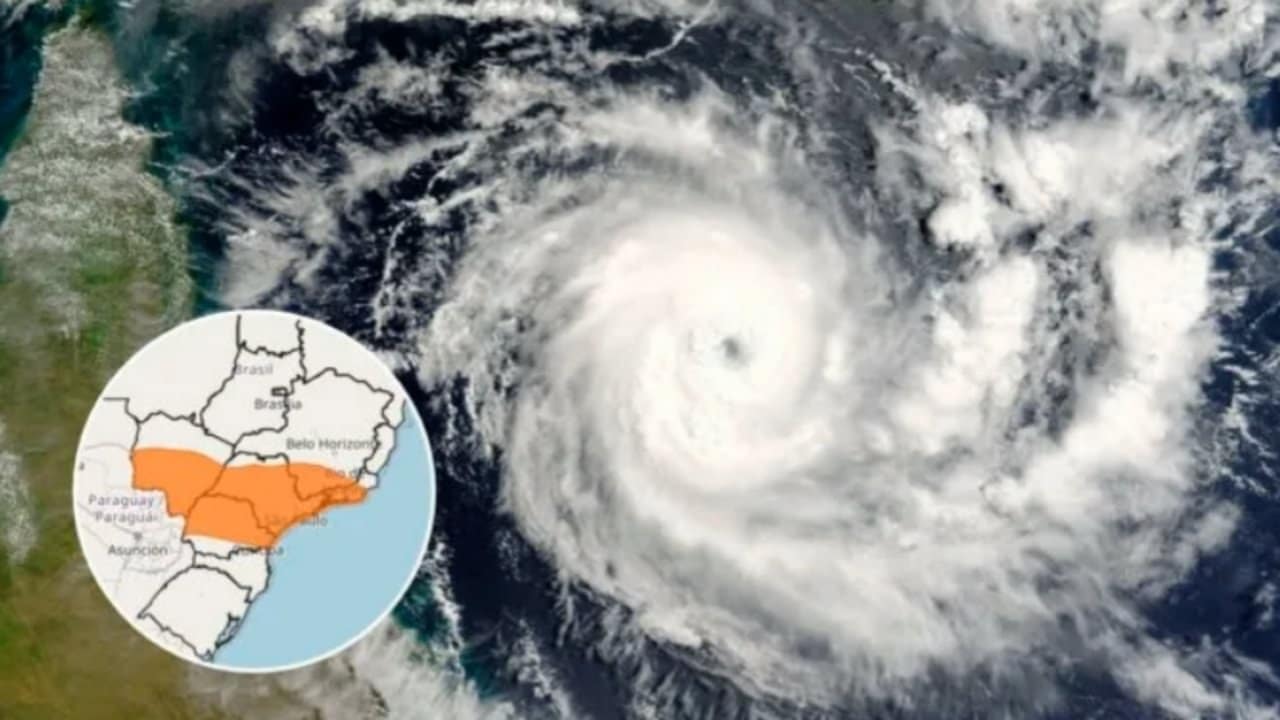
Cyclone Xavier, now rated category 5, battered the Northern Cook Islands on Tuesday, 17 November 2026, with gusts of up to 315 km/h, according to the Fiji Meteorological Service. Emergency Management Cook Islands kept communities in the north on high alert, warning that damaging gale-force winds, heavy rain and coastal flooding remained significant threats.
“Residents are strongly urged to remain in safe shelter, stay away from coastal areas and follow instructions from local disaster risk management teams,” the agency said. The warning focused on Pukapuka and Nassau, the two islands the agency named as most exposed.
Learn more: GTA 5 fans plan The Last Ride convoy in GTA Online on November 18
Cyclone Xavier moves west-southwest past the northern islands
The Fiji Meteorological Service, which has jurisdiction over this part of the Pacific, said in its latest update that Xavier was moving west-southwest at about 7 km/h. The agency put sustained winds near the centre at about 220 km/h. Reports differ on when Xavier reached category 5: some place it on Tuesday, while an RNZ report on shelters puts the change on Wednesday morning, Cook Islands time. Another report of the same system gave a peak gust of 295 km/h, and the difference was not explained.
See also: Ayo Dosunmu scores 30 points in Timberwolves win over Blazers
- 25 October: Manihiki began preparing for the cyclone season, before any official alert.
- 13 November: the system was identified as a tropical disturbance.
- Sunday: Xavier formed near Manihiki and Rakahanga and reached category 1.
- Monday, 16 November: the system strengthened to category 2.
- Tuesday, 17 November: Xavier reached category 3 in the morning.
Pukapuka and Nassau: schools closed and residents head to shelters
Pukapuka and Nassau were under a gale warning, while Manihiki and Rakahanga were under a strong wind warning. Schools in Pukapuka were closed, and families prepared to move into cyclone shelters. Anna Katoa, a teacher in Pukapuka, said residents were “ready to move to the cyclone shelter this evening.” One report also described a gale warning for Manihiki, so the warning level there is not settled.
Manihiki: power and wharves are the main concern
Jean Marie Williams, a Manihiki resident, told RNZ Pacific that the “worst is over” for the island as Xavier moves away. He said the main concern is power, and that the damage already seen on the wharves is a problem. Maara Vaiimene, director of the Cook Islands Meteorological Service, the national weather agency, said the system was “moving away from Manihiki and Rakahanga.”
Williams said the island has had no reliable electricity for more than a year. He said the solar system only runs for four or five hours a day when the sun is out, which limits how long the island can keep food cold and run equipment during a storm. Some families run their own generators to keep freezers working, but the supply is not enough for the whole island. Williams also said that Manihiki Island Council began its cyclone work before the season started, cutting most of the trees along the roads and removing about 99 percent of the coconut trees around homes.
Cyclone Xavier compared with Martin, which killed 19 in 1997
The Northern Cook Islands have been hit by strong storms before. Cyclone Martin struck Pukapuka, Manihiki and Rakahanga between 31 October and 2 November 1997, during a strong El Niño. A storm surge destroyed almost every building on Manihiki, and 19 people died in the Cook Islands. The community of Pukapuka also recalls Cyclone Percy, which hit Pukapuka and Nassau in 2005 and caused severe structural damage. Those events explain why residents in the north treat each warning as serious, even when the storm is moving away.
Cyclone Xavier: damage and power status not yet confirmed
Islands Business reported no victims and no serious damage so far. No damage or deaths had been confirmed in Pukapuka and Nassau when this report was prepared. The Fiji Meteorological Service said Xavier is not a direct threat to Fiji, and issued warnings for peripheral winds and sea conditions for Tokelau and Samoa. The agency said the centre of the cyclone should remain at sea, without a direct landfall on the inhabited islands, although wind, rain and coastal flooding remain a danger. The extent of the damage to Manihiki’s wharves and the state of its power supply after the storm have not been confirmed. No official update had been published in the sources checked on whether Xavier would keep its category 5 status or weaken.