NASA’s Voyager 1 reaches one light-day from Earth, a first for any human object

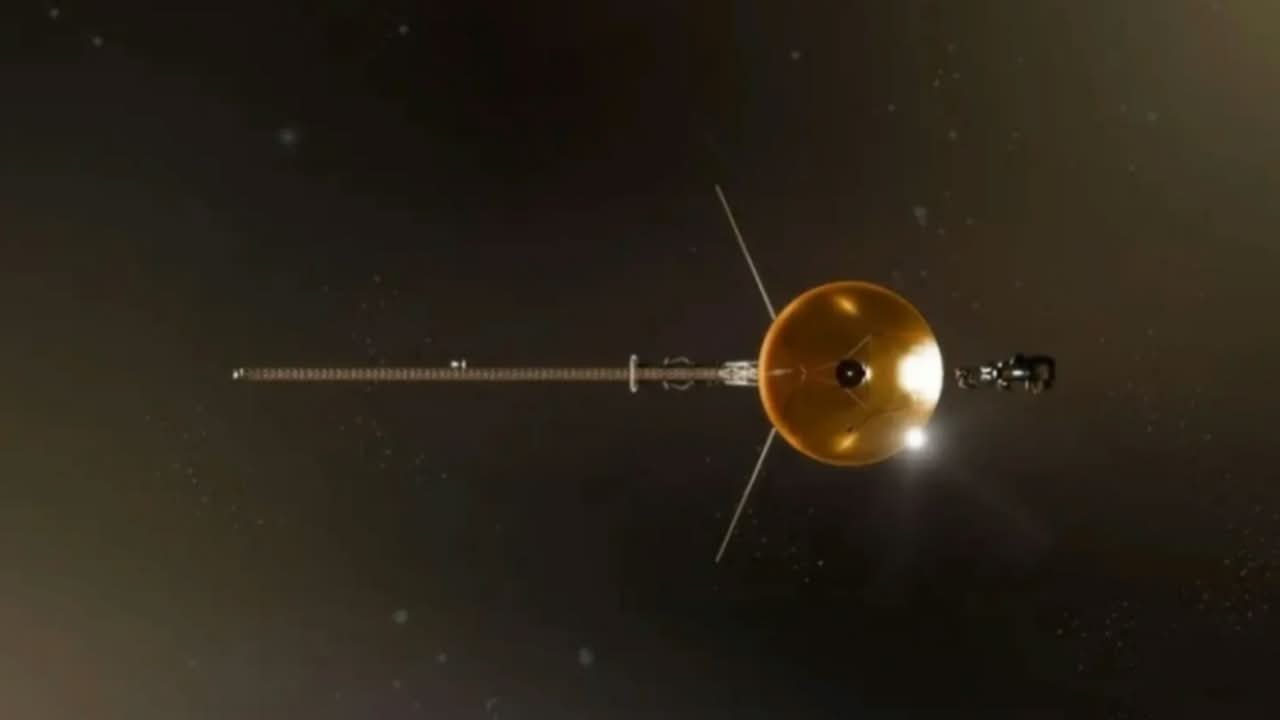
The spacecraft is now about 26 billion kilometers away, making it the first human-made object to sit one light-day from Earth. The milestone came early on Wednesday, November 18, 2026, at 5:16 a.m. Eastern Standard Time, according to NASA. Commands sent from mission control now need a full 24 hours to reach the probe, and its replies need another day to return.
Launched in September 1977, the probe is the most distant human-made object and the first to cross into interstellar space. For perspective, the nearest stars, in the Alpha Centauri system, lie more than four light-years away.
Power-saving shutdowns leave two instruments running
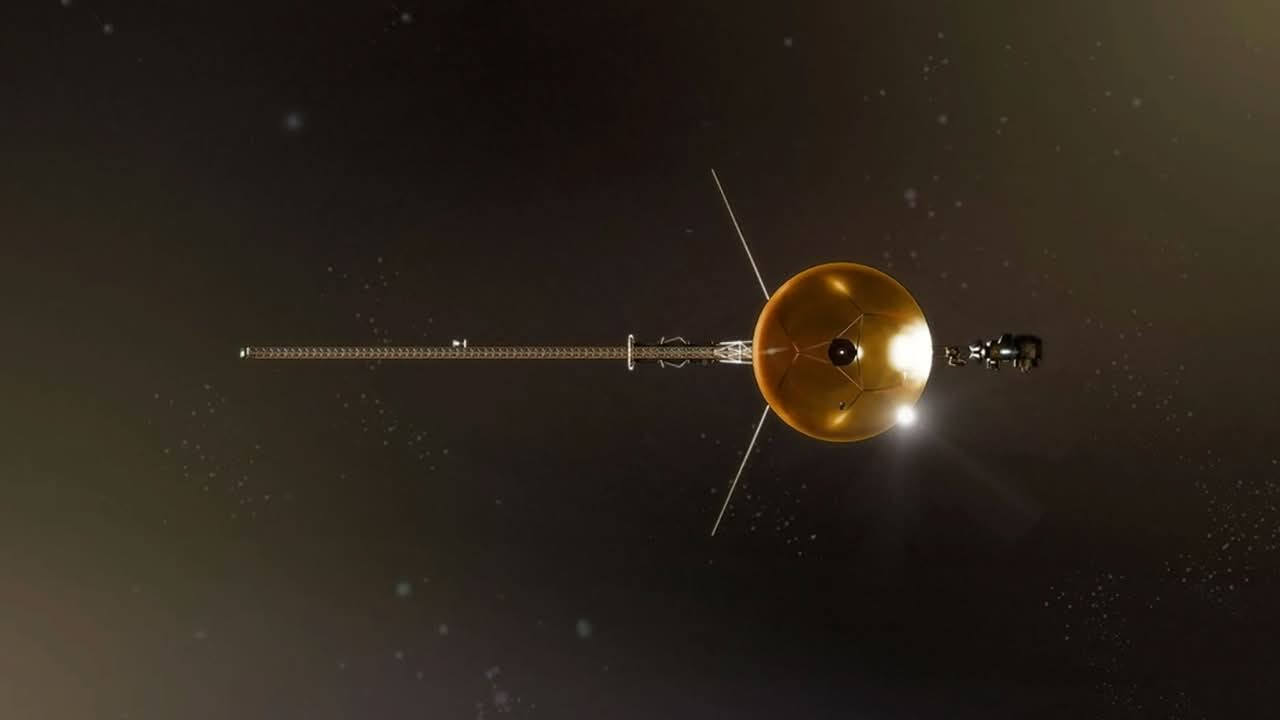
NASA has switched off non-essential systems over the decades to save power, including the cameras and particle detectors, with the most recent shutdowns made between 2025 and 2026. The probe had already left the heliosphere, the magnetic bubble created by the Sun, in August 2012. Only two of its ten scientific instruments still return data to Earth.
The working instruments are the magnetometer, which measures magnetic fields, and the plasma wave subsystem, which studies charged particles. With them, scientists collect data that had never been gathered before on the gas and dust filling the space between the stars.
Astrophysicist Alan Cummings, a member of the project since 1973, said the milestone reflects the engineering behind the mission. “I see this as a landmark of engineering, which shows the incredible longevity of the mission, and also as an achievement that we can still communicate with it at this distance,” Cummings said.
Read also: PRIMA space telescope earns NASA selection as first Probe Explorer mission
The two probes also carry the Golden Records, copper plates plated with gold and 30 centimeters in diameter. They hold images, sounds and greetings from Earth, and were designed as a message to possible extraterrestrial civilizations.
Earlier flybys of the gas giants uncovered moons and rings
Before heading into interstellar space, Voyager 1 and its twin, Voyager 2, mapped the gas giants that are Earth’s neighbors. In 1979 the probe found a thin ring around Jupiter and identified two previously unknown moons. A year later, during its flyby of Saturn, it located the G ring and five other natural satellites.
Images of Jupiter revealed vortices and the extreme weather in that planet’s atmosphere, according to NASA researcher Tiffany Kataria. Those findings came from the first close-up views the probe sent back of the planet’s climate.
Keep reading: NASA's Webb says interstellar comet 3I/ATLAS formed 10 to 12 billion years ago
Voyager 2 left Florida 16 days before its sister probe, but it was overtaken in speed and followed a different route to visit Uranus and Neptune. NASA projects that it will reach the one light-day distance in 2035.
Free online tracker shows the probe’s position in real time
The public can follow the spacecraft on the interactive panel Eyes on the Solar System, hosted by NASA. The free platform displays real-time data about the mission and its route.
- Current position: the simulator updates the probe’s distance every second, in kilometers and miles.
- Light time: a countdown shows the 24 hours a radio signal needs to reach the spacecraft.
- Speed: the tracker shows the probe traveling at more than 61,000 km/h relative to the Sun.
- Flight history: a timeline lets users rewind to see the probe’s position during its encounters with the gas giants.
- Access: the panel is hosted on the Voyager mission page on NASA’s official website.