Hurricane Helene leaves over 200 dead and causes historic devastation in the United States

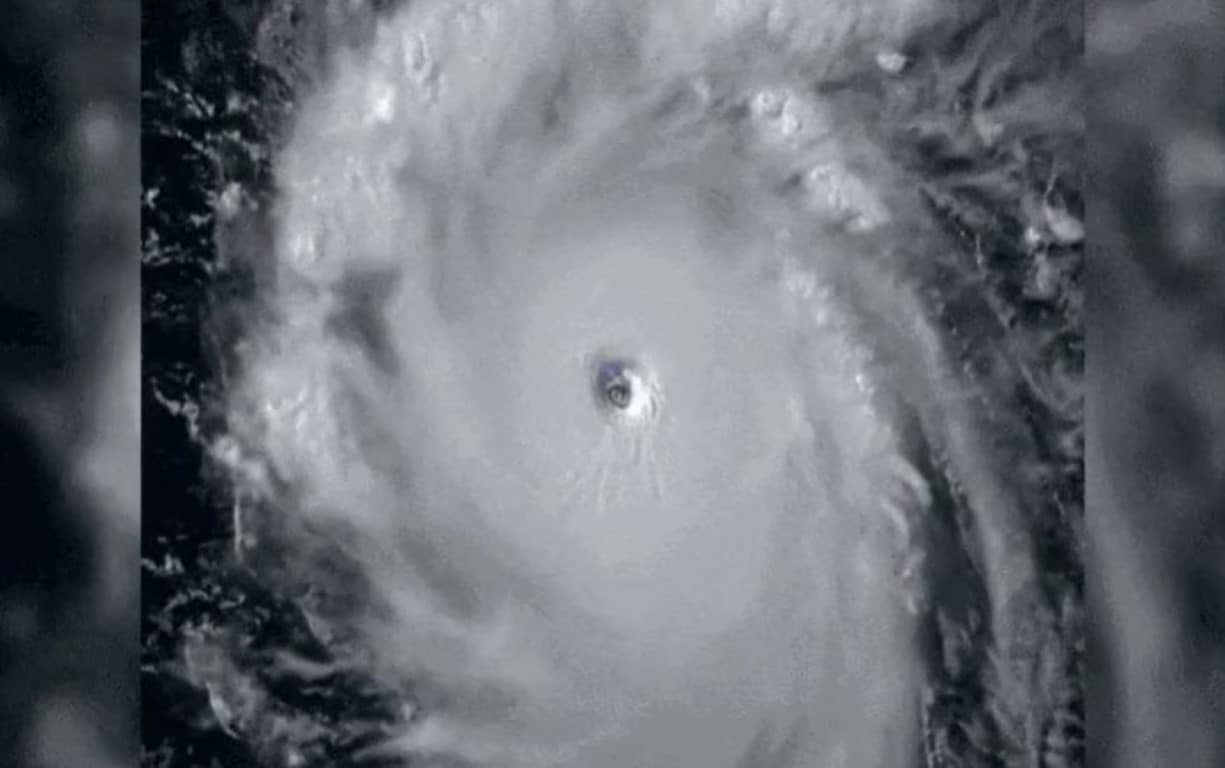
Hurricane Helene, which struck the United States with devastating force, has left a trail of over 200 fatalities, becoming the deadliest natural disaster to hit the country since Hurricane Katrina. With winds reaching up to 225 km/h and torrential rains, the storm caused catastrophic flooding, the collapse of bridges, and left millions without electricity across several southeastern states.
Impact on affected states
North Carolina was the most severely affected state, recording the highest number of fatalities. Entire cities were destroyed by floods, and many areas remain isolated due to the collapse of roads and bridges. Local authorities estimate that more than 600 people are still missing in Buncombe County alone, and rescue efforts are ongoing but face challenges due to the mountainous terrain and lack of communication.
Other states, including South Carolina, Georgia, Florida, Tennessee, and Virginia, were also severely impacted by the hurricane. Georgia, for example, reported over 30 deaths, while Florida saw nearly 20 fatalities. The destruction in all these regions is comparable to the devastation witnessed during Katrina, one of the deadliest hurricanes in U.S. history.
Authorities’ response and rescues
Given the magnitude of the destruction, over 10,000 federal and local agents are involved in rescue operations, alongside humanitarian aid organizations. In states like North Carolina, rescues are complicated by the rugged geography and destruction of access routes. However, teams continue to work tirelessly to find survivors and provide emergency aid to isolated populations.
U.S. President Joe Biden visited the hardest-hit areas, flying over devastated regions and promising continuous recovery efforts. During his visit to Florida, Biden emphasized his administration’s commitment to rebuilding the affected areas and providing support to families who lost everything in the storm.
Consequences and future challenges
Initially categorized as a Category 4 storm, Hurricane Helene quickly became one of the deadliest and most destructive phenomena in recent U.S. history. In addition to confirmed fatalities, the death toll is expected to rise as more bodies are found in the debris. According to recent studies, powerful storms like Helene can cause long-term effects, resulting in thousands of indirect deaths in the following years due to worsening living conditions and health issues among affected populations.
Infrastructure in many areas is severely damaged, and millions remain without power, exacerbating the humanitarian crisis. Local and federal authorities warn that the rebuilding process could take years and that the total recovery of the hardest-hit areas will require massive investments in infrastructure and social support.
The deadliest storms in U.S. history
Hurricane Helene now ranks as the second deadliest storm in U.S. history, behind only Katrina, which claimed over 1,800 lives in 2005. Helene’s impact is felt not only in the lives lost but also in the economic consequences devastating the region. Small and large businesses were destroyed, thousands of homes are uninhabitable, and the impact on tourism and the local economy will be profound and long-lasting.
Meteorology experts warn that global warming may further intensify the frequency and strength of these phenomena in the future, making devastating storms like Helene more common. The climatic phenomenon is widely discussed in political and academic circles, as the resilience of cities and infrastructure will be crucial in facing future climate challenges.
Relief efforts and humanitarian aid
Numerous charity organizations and volunteers from across the United States and the world are mobilizing to provide assistance to the victims of Hurricane Helene. Temporary shelters, emergency supplies, drinking water, and food are being distributed in the hardest-hit areas. However, logistical challenges are hindering aid from reaching some isolated regions.
Authorities are also calling for donations to help displaced families and accelerate the rebuilding process. Governors of the affected states have made public appeals for additional federal aid and support from international organizations to manage the crisis.
Uncertain future for those affected
While rescue and reconstruction operations are underway, the lives of people affected by Hurricane Helene will take a long time to return to normal. Thousands of families lost their homes, savings, and in many cases, loved ones. The physical recovery of the cities will be slow, but the emotional impact on the populations may last even longer.
In addition to the immediate challenges, in the long term, the affected regions will need effective disaster prevention policies and infrastructure reinforcement to ensure that a catastrophe of this magnitude does not cause as much damage in the future. The lessons learned from Hurricane Helene will undoubtedly influence future decisions on urban planning and environmental policies in the United States and worldwide.
Reflection on climate change
Hurricane Helene has reignited the debate on climate change and its role in increasing the intensity of natural phenomena. Climate experts have been warning about the need for more concrete government actions regarding global warming. Studies indicate that rising ocean temperatures may be directly related to the increased strength of hurricanes.
With global temperatures rising, the possibility of new large-scale hurricanes, like Helene, becoming more frequent is a growing concern. The international community is already discussing the creation of global measures to mitigate the effects of climate change, and Hurricane Helene serves as a painful reminder of the urgency of these actions.