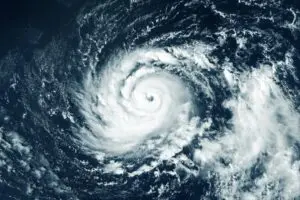
Hurricane Milton: The Science Behind Its Explosive Power and Unprecedented Threat
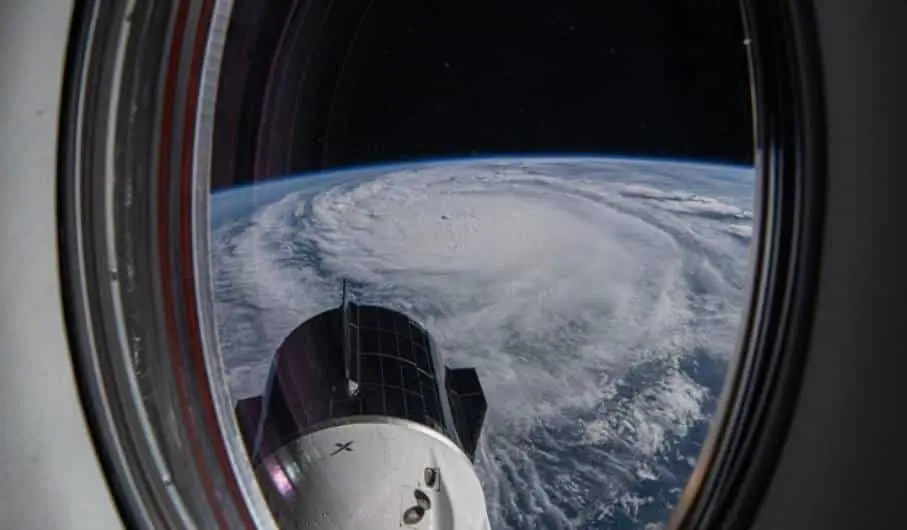
Hurricane Milton, a late-season storm that rapidly intensified into a Category 5 hurricane in the Gulf of Mexico, has left both meteorologists and the public in awe of its destructive potential. As it barrels toward Florida’s west coast, experts warn that Milton could become one of the most catastrophic hurricanes in modern history. This storm, fueled by exceptionally warm sea surface temperatures in the Gulf, underscores the growing impacts of climate change on hurricane intensity and behavior.
The Formation and Rapid Intensification
Hurricane Milton initially formed as a tropical depression over the southwestern Gulf of Mexico on October 5, 2024. Just hours after its formation, the system quickly evolved into a tropical storm, exhibiting one of the fastest transformations seen in recent years. Within 24 hours, Milton had intensified into a Category 1 hurricane. Over the following day, the storm experienced what scientists call “extreme rapid intensification,” defined as an increase in maximum sustained wind speeds by at least 58 mph within 24 hours. Milton far exceeded this threshold, with its winds increasing by nearly 92 mph during this period, transforming it into a Category 5 storm.
The unprecedented speed of Milton’s intensification is attributed largely to the Gulf’s unusually warm sea surface temperatures, which reached record-breaking levels during this time. These warm waters provided the necessary energy for the storm to grow explosively, making Milton one of the strongest hurricanes ever recorded in the Gulf of Mexico.
Mais sobre o assunto: Hurricane Milton causes devastating floods in Tampa, Florida
The Role of Climate Change
Climate scientists emphasize that the conditions that allowed Hurricane Milton to intensify so quickly were amplified by climate change. Warmer oceans provide more fuel for hurricanes, enabling them to strengthen faster and reach higher intensity levels. Sea surface temperatures in the Gulf of Mexico, where Milton formed, were significantly above average, with some areas reaching near-record warmth. This excess heat contributed to the storm’s rapid development and extreme power.
Studies on climate change and hurricane activity suggest that as the planet warms, storms like Milton are becoming more frequent and intense. Warmer oceans, driven by human-caused global warming, increase the likelihood of rapid intensification events, as was seen with Milton. The heightened sea surface temperatures, alongside favorable atmospheric conditions, created a “perfect storm” scenario for Milton’s explosive growth.
The Path and Potential Impacts
As Hurricane Milton continues its march toward Florida, it poses a severe threat to millions of residents along the Gulf Coast. The storm is projected to make landfall as a major hurricane, potentially bringing life-threatening storm surges, catastrophic winds, and heavy rainfall. Florida’s Gulf Coast, including the densely populated Tampa Bay area, is directly in the storm’s path, prompting widespread evacuations and the declaration of a state of emergency across much of the state.
Authorities have warned of the potential for widespread destruction. In some areas, storm surges could reach as high as 10 feet, inundating coastal communities and causing severe flooding. The National Weather Service has issued dire warnings, stating that some homes may become uninhabitable for weeks or months due to the storm’s destructive power. Additionally, Milton’s winds, which could exceed 180 mph at landfall, are expected to cause widespread structural damage, particularly to older buildings and mobile homes.
Evacuations and Emergency Preparations
In preparation for Hurricane Milton’s arrival, Florida officials have initiated both mandatory and voluntary evacuation orders for vulnerable coastal areas. Major highways and interstates, including I-4 and I-75, have seen heavy traffic as residents flee inland. To ease congestion, tolls on evacuation routes have been suspended, and shoulder lanes have been opened to facilitate the movement of evacuees. Shelters have been established across the state, and local authorities have partnered with rideshare services to ensure that residents without transportation can safely reach these shelters.
Veja Também

Jolly conquista indicação democrata para o governo da Flórida nos EUA

Adeus a um pioneiro: Bill Rasmussen, fundador da ESPN, falece aos 93 anos de idade

Padrões de escrita em bilhetes de resgate de Nancy Guthrie podem identificar suspeito nos EUA
Saiba mais: Hurricane Milton intensifies and threatens Florida with devastating impact
Air travel has also been significantly disrupted. Major airports in the region, including Tampa International Airport and Orlando International Airport, have announced closures as Milton approaches. Airlines have canceled numerous flights, and residents trying to evacuate by air have found themselves stranded as airports shut down.
Historical Context and Comparisons
Hurricane Milton is notable not only for its intensity but also for its timing. Late-season hurricanes like Milton are relatively rare, and when they do occur, they tend to be less intense due to cooler sea surface temperatures and less favorable atmospheric conditions. However, Milton defied these norms, becoming the strongest late-season storm ever recorded in the Gulf of Mexico.
Comparisons have been made to other historic hurricanes, such as Rita in 2005 and Wilma in 2005, both of which were also Category 5 storms. Like Milton, these storms underwent rapid intensification over warm waters before striking land with devastating consequences. However, Milton’s combination of record-breaking sea temperatures, rapid intensification, and its trajectory toward a highly populated region make it particularly dangerous.
The Future of Hurricanes in a Warming World
As climate change continues to influence global weather patterns, hurricanes like Milton may become more common. Warmer oceans are one of the key drivers behind the increased frequency of intense storms, and scientists warn that without significant action to curb global warming, the world could see more Category 5 storms in the future. This poses a growing threat to coastal communities, particularly in regions like the Gulf of Mexico and the southeastern United States, where sea levels are also rising, exacerbating the impacts of storm surges.
Efforts to improve hurricane prediction models and increase public awareness of storm risks are ongoing, but experts stress that addressing the root causes of climate change is essential to reducing the severity of future storms. Mitigating global warming by reducing greenhouse gas emissions could help lower sea surface temperatures and, in turn, reduce the fuel available for hurricanes to grow.
Conclusion
Hurricane Milton stands as a stark reminder of the growing influence of climate change on extreme weather events. Its rapid intensification and destructive power highlight the need for improved preparedness and resilience in coastal communities. As Florida braces for what could be one of the most devastating hurricanes in its history, the lessons from Milton will likely shape future efforts to mitigate the impacts of climate-driven disasters.