German Meteorological Service warns of ice and winds of up to 70 km/h in the north of the country

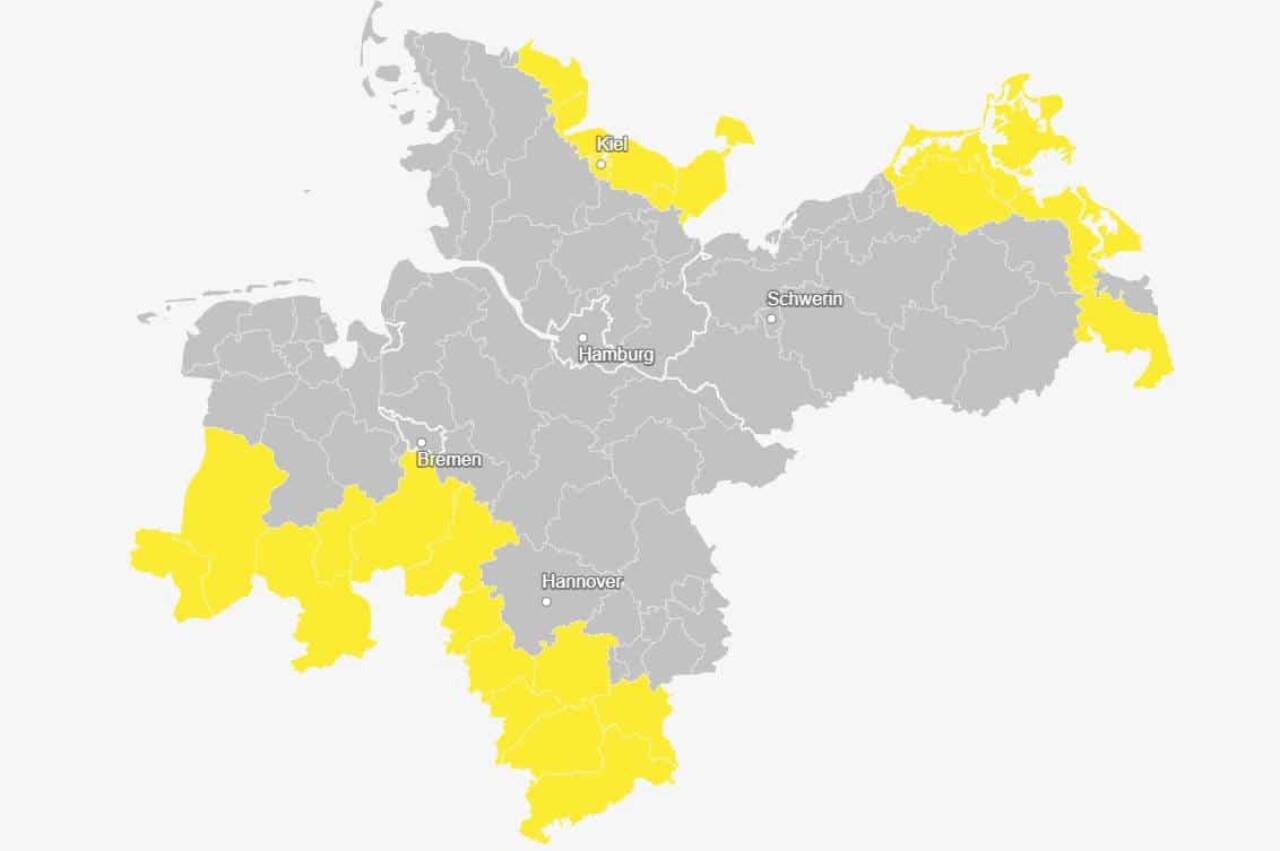
The weather in northern Germany has recently undergone significant changes, with rising temperatures offering relief in some areas while introducing new challenges in others. The Deutsche Wetterdienst (DWD) issued alerts for slippery ice conditions in southern Lower Saxony, caused by freezing rain and drizzle. Despite these difficulties, temperatures have started to climb above freezing in many northern regions, providing a welcome change after a frosty start to the week.
Heavy rainfall and strong winds have further contributed to unstable weather conditions along the coast. Areas such as Schleswig-Holstein and the districts of Vorpommern-Rügen and Vorpommern-Greifswald experienced winds reaching up to 70 km/h, creating hazardous conditions for residents. However, forecasts indicate a gradual improvement as the week progresses, with rising temperatures expected in many areas.
In addition to weather-related impacts, emergency services faced a busy morning in cities like Rostock and Wismar, where icy roads led to accidents and falls. Reports indicated over 25 emergency calls in Rostock alone, with several individuals suffering fractures and requiring hospitalization. These incidents underscore the dangers posed by freezing rain and icy surfaces.
Ice-related impacts and recorded accidents
Ice played a central role in the adverse conditions faced by residents in northern Germany. In Rostock, ice-covered streets led to a significant increase in accidents. Local rescue departments reported numerous cases of urban falls. Among the most serious incidents were individuals who suffered bone fractures and were promptly taken to regional hospitals.
The situation was similar in Wismar. Local authorities documented at least five ice-related accidents, four of which resulted in material damage, while one involved serious injury. A cyclist, caught off guard by the slippery conditions, fell and required urgent medical attention. These reports highlight the need for heightened caution during periods of unstable weather.
Winter service response in major cities
Cities like Hamburg responded swiftly to the challenging conditions, mobilizing 725 workers to spread salt on major roadways, bus stops, and sidewalks. This proactive effort helped minimize accidents, resulting in relatively calm traffic the following morning. Local police reported no major accidents tied to snow or ice in the city.
While Hamburg’s mobilization proved effective, other regions like Schleswig-Holstein and Lower Saxony continued to struggle. Rural areas, in particular, often face additional challenges in deploying road-clearing services during emergencies.
Climate change and its regional effects
Recent weather events reflect broader climate change trends affecting specific regions in Germany in unique ways. Rising annual average temperatures have been accompanied by more extreme weather events, including freezing rain and severe storms. The DWD noted that while some areas faced strong winds and fluctuating temperatures, others dealt with flooding caused by rising sea levels.
The winds recorded in Schleswig-Holstein and Mecklenburg-Vorpommern are clear examples of rapid climate shifts. Wind speeds of up to 70 km/h created hazardous conditions for coastal communities. Historically, such storms have caused significant damage to local infrastructure, emphasizing the importance of mitigation strategies.
Historical evolution and preparedness for climate events
Germany has historically faced challenging weather conditions, but climate change has intensified these events. Climate records indicate that winter storms have become more frequent in recent decades, with greater impacts on coastal areas. Increased investment in alert systems and emergency infrastructure reflects the recognition of the need for adaptation.
In response to current conditions, local authorities intensified communication efforts to warn residents about potential risks. Digital platforms played a crucial role, enabling residents to receive real-time updates on weather conditions.
Consequences for traffic and transportation
Adverse weather conditions not only affect individuals but also have significant implications for transportation. In regions like Lower Saxony, where ice remains a threat, many highways remain partially closed. Conversely, public transportation services in larger cities like Hamburg continue to operate with some adjustments.
Public transport operators emphasized that salting major routes was essential to ensure passenger safety. However, delays and cancellations were unavoidable in rural areas, where access to infrastructure is limited.
Relevant data and statistics on Germany’s weather
The data provided by the DWD offers a comprehensive overview of the climatic challenges faced in northern Germany:
- Over 25 emergency calls were recorded in Rostock due to falls on icy roads.
- Wind speeds of up to 70 km/h were reported in coastal areas like Schleswig-Holstein.
- Five ice-related accidents were documented in Wismar, including one case of serious injury.
- Hamburg mobilized 725 workers to address snow and ice conditions, marking one of the city’s largest responses in recent years.
Forecasts and future perspectives
The gradual rise in temperatures over the coming weeks offers relief for many regions but does not eliminate risks entirely. Slippery ice remains a concern in southern areas, where nighttime temperatures may drop below freezing. Authorities recommend that drivers remain vigilant and avoid unnecessary travel until conditions improve.
The DWD will continue monitoring the situation and providing regular updates to ensure residents stay informed. Additionally, raising public awareness about climate risks and adequate emergency preparedness are crucial steps in tackling future challenges.