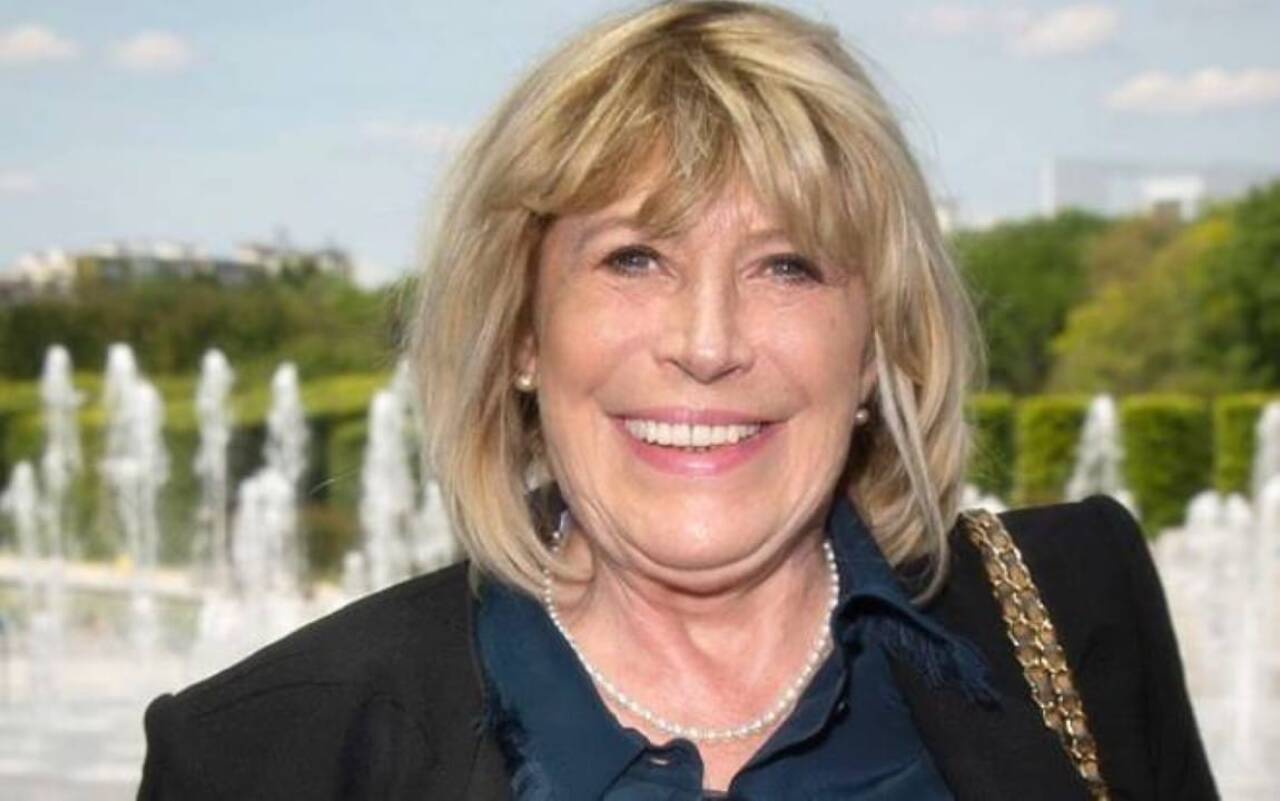
Marianne Faithfull dies aged 78: the intense trajectory of the 1960s muse who revolutionized music Por Luís Henrique Costa
6 min de leitura
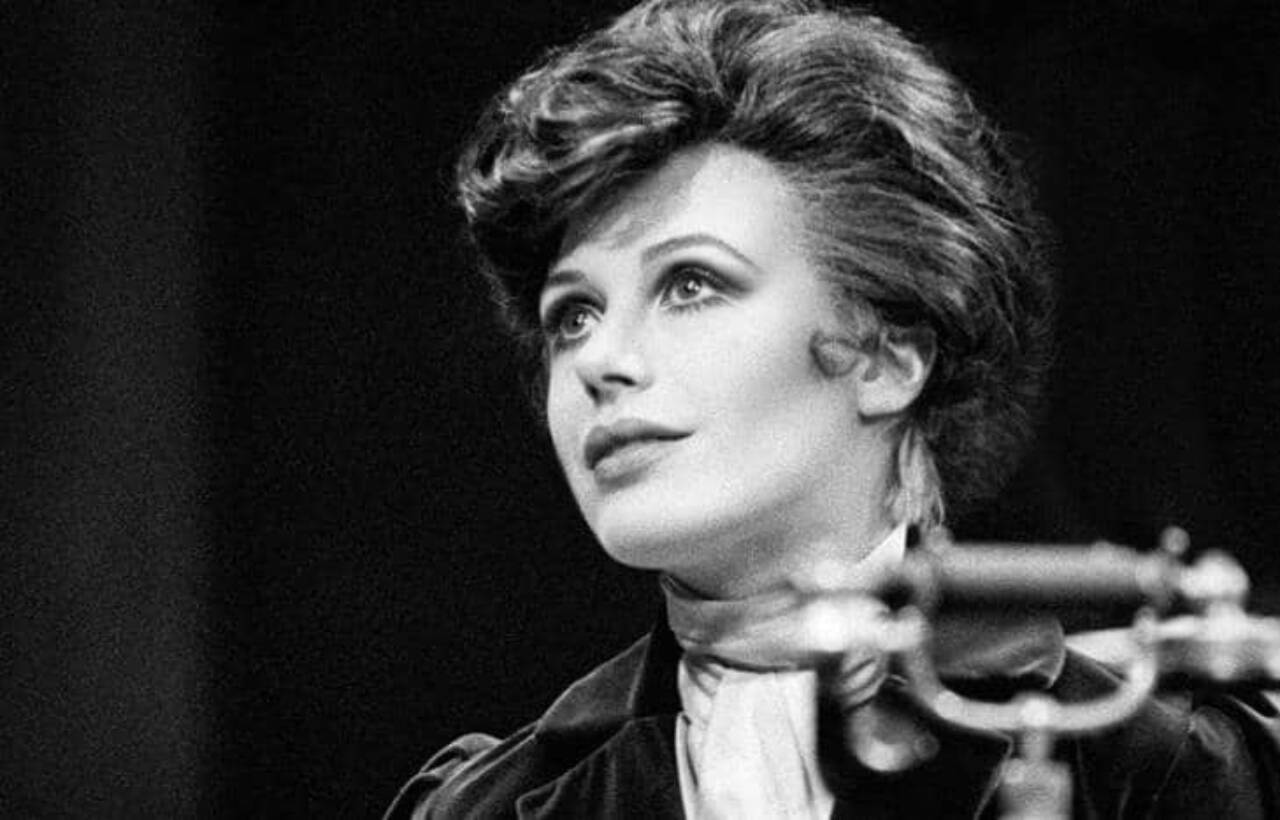 |
Marianne Faithfull, an icon of British music and one of the most emblematic figures of rock and folk, has passed away at the age of 78 in London, leaving behind a legacy that has profoundly shaped pop culture. Her life was full of transformations and challenges, from her meteoric rise in the 1960s as the muse of the Rolling Stones to her decline due to drug abuse. However, her career saw an impressive resurgence in the late 1970s when she adopted a darker and more introspective musical style. Her story, marked by highs and lows, made her one of the greatest examples of resilience and artistic reinvention in the music industry.
The singer began her career at just 17 when she was discovered at a Rolling Stones party. With her sweet voice and striking presence, she quickly became a star in the British music scene. Her first major success, As Tears Go By, was a gift from songwriters Mick Jagger and Keith Richards and immediately launched her to stardom. Her relationship with Jagger made her a central figure in the cultural revolution of Swinging London, mingling with artists and musicians who were redefining the era.
Siga o Mix Vale no Google e veja nossas notícias primeiro
Faithfull’s journey was not all glamour. Her relationship with Jagger exposed her to a world of excess that led to substance abuse. The iconic 1967 arrest of Mick Jagger and Keith Richards, in which Marianne was found in the infamous “Stones Party Bust,” transformed her media image. This period was only the beginning of a long struggle, which included losing custody of her son, financial hardship, and even periods of homelessness.
Rise to Fame and Cultural Impact
The 1960s in England were a time of cultural and musical revolution, and Marianne Faithfull was one of the defining faces of that movement. Her refined style and gentle voice made her one of the most photographed artists of the time. By the age of 18, she had already established herself as a major star, sharing the spotlight with contemporaries like Dusty Springfield and Sandie Shaw.
Her early albums, such as Come My Way and North Country Maid, showcased a young singer deeply influenced by folk music. However, her association with the Rolling Stones led her to adopt a more rock-oriented aesthetic. Within a few years, she was no longer just a folk singer but a symbol of the countercultural revolution sweeping across Britain.
Decline and the Struggles of the 1970s
As the years went by, the pressures of fame and personal struggles began to take their toll. By the early 1970s, Faithfull had disappeared from the limelight, consumed by heroin addiction. Her personal life crumbled—she lost custody of her son Nicholas, lived on the streets of London, and became a shadow of the glamorous figure she once was. What was once a fairytale music career turned into a real-life tragedy.
The British media was relentless in its coverage of her downfall. The same woman once praised for her elegance and sophistication was now the subject of sensationalist headlines. However, Faithfull refused to vanish. Instead, she took an unexpected turn in her life and career, marking one of the most remarkable comebacks in rock history.
Reinvention with Broken English
The defining moment of Marianne Faithfull’s career came in 1979 with the release of Broken English. Her once-soft voice was now rough and filled with emotion, shaped by years of hardship. The album, widely regarded as her masterpiece, brought brutally honest lyrics dealing with political turmoil, abusive relationships, and her own troubled past.
The song “Why’d Ya Do It” shocked listeners with its raw, explicit lyrics, a stark contrast to the delicate folk melodies she once sang. However, Faithfull’s courage in embracing this new artistic direction earned her critical acclaim. She was now being compared to artists like Patti Smith and Lou Reed, proving that she was far from finished.
Influence on Rock and Alternative Music
Marianne Faithfull became an inspiration for generations of musicians. Her authenticity and unique style influenced artists such as PJ Harvey, Nick Cave, and Courtney Love. Her ability to transition between genres and address difficult topics made her a singular figure in the industry.
Even in her later years, Faithfull continued to release albums and perform at festivals. Her most recent work, She Walks in Beauty (2021), featured her interpretations of classic poetry and reaffirmed her position as an avant-garde artist. Despite her aging voice, the same emotional intensity that defined her career remained.
Little-Known Facts About Marianne Faithfull
- She was of Austrian aristocratic descent, and her maternal grandfather was a renowned Austrian writer.
- She co-wrote the song “Sister Morphine,” featured on the Rolling Stones’ Sticky Fingers, based on her personal experiences with drug addiction.
- In 1994, she was diagnosed with breast cancer and underwent extensive treatment, but continued to work in music.
- She was once considered for the role of Ophelia in the 1969 film Hamlet but turned it down due to her health at the time.
The Legacy of Marianne Faithfull
Marianne Faithfull was more than just a singer—she was a symbol of transformation and endurance. Her life was marked by moments of extreme success and deep hardship, yet she overcame adversity and continually reinvented herself artistically. Her legacy extends beyond music; she will be remembered as one of the most authentic figures in rock history.
Her journey serves as an inspiration to artists facing challenges in the music industry. Her name will forever be etched in history as one of the most influential women in British music.