Joann announces closure of 500 stores across the US, impacting the craft market

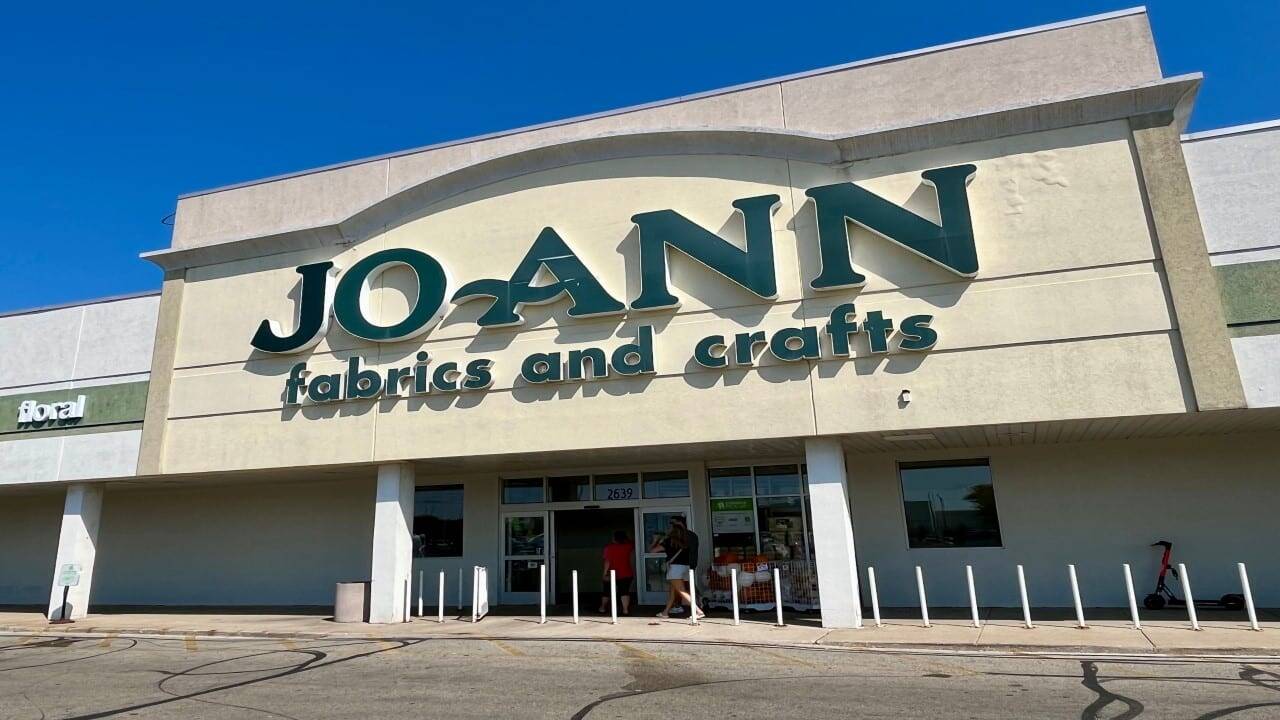
Joann, one of the largest retail chains specializing in fabrics and craft supplies in the United States, has announced the closure of 500 stores in 49 states. This decision follows the company’s second Chapter 11 bankruptcy filing in less than a year. With around 850 stores nationwide, Joann is facing significant financial struggles, prompting a drastic restructuring of its operations. The closures will heavily impact major states such as California, Florida, Michigan, Ohio, and Pennsylvania, where dozens of stores are set to shut down. The company stated that the decision is aimed at optimizing its business structure to align with the current economic landscape and ensure its long-term viability.
Joann’s bankruptcy follows a broader trend in the retail industry, where large chains struggle to compete with e-commerce and shifting consumer habits. Founded in 1943, the company has been a staple for artisans, seamstresses, and DIY enthusiasts. However, in recent years, declining demand and inventory management challenges have severely impacted its financial stability.
The company has not publicly disclosed which stores will close, but court documents list 533 locations scheduled for shutdown. The decision directly affects thousands of employees and could transform the dynamics of the craft supply market across the U.S.
Financial struggles and store closures
Joann had previously filed for bankruptcy in March 2024, which led to its removal from the stock market and return to private ownership. However, ongoing financial difficulties resulted in a second bankruptcy filing in January 2025. Traditional craft retail has faced structural challenges, including increased competition from online marketplaces and changing consumer preferences favoring digital shopping.
Under Chapter 11 of the U.S. Bankruptcy Code, companies can continue operating while restructuring their finances. As part of this process, Joann hopes to negotiate a sale that will enable its recovery. One potential buyer is Gordon Brothers Retail Partners, a firm specializing in acquiring struggling retail chains.
The decision to close stores is not unique to Joann. In recent years, major retailers such as Bed Bath & Beyond and Party City have also filed for bankruptcy, reflecting a growing trend of brick-and-mortar store closures across the U.S.
States most affected by Joann closures
The store closures will affect nearly every state, but some will experience a more significant impact. Preliminary lists from court filings indicate the highest concentration of store shutdowns in the following states:
- California: 61 store closures
- Florida: 36 store closures
- Michigan, Ohio, and Pennsylvania: 33 closures in each state
- Illinois: 26 store closures
- New York: 24 store closures
- Washington: 21 store closures
- Indiana: 20 store closures
- Massachusetts: 19 store closures
While Joann has stated that some locations will continue operating normally, the restructuring is seen as a critical step to prevent a total liquidation of the brand.
Impact on the craft and fabric retail industry
Joann has long been a crucial resource for artisans and DIY (Do It Yourself) enthusiasts. With the company reducing its physical presence, many consumers may need to turn to alternative options, such as online shopping or smaller retail chains. The decrease in store locations could also negatively impact small businesses and professionals who rely on consistent access to craft materials.
In recent years, the craft industry has seen growth, particularly during the COVID-19 pandemic, when more people turned to creative hobbies. However, shifts in consumer behavior, prioritizing digital shopping and large online retailers, have significantly affected foot traffic in Joann stores.
Reasons behind Joann’s bankruptcy and restructuring
Several factors contributed to Joann’s financial crisis. Among the main reasons are:
- E-commerce competition: Platforms like Amazon and Etsy have become popular destinations for craft supplies, reducing the need for physical stores.
- Shifts in consumer habits: A growing preference for digital shopping has decreased in-store traffic.
- Rising operational costs: Inflation, high rental costs, and supply chain disruptions have increased Joann’s expenses.
- Inventory management issues: The company struggled to balance supply and demand, leading to overstock in some locations and shortages in others.
- Declining sales growth: Despite increased interest in crafts, Joann has failed to translate it into sustainable revenue.
Potential effects on employees and customers
The closure of 500 stores will directly impact thousands of Joann employees. The company has yet to outline specific plans for handling layoffs, but many locations may shut down gradually over the coming months.
For consumers, fewer physical store locations could mean a greater reliance on online shopping. Additionally, customers may face difficulties in finding specific materials that were previously available at their local Joann stores.
The future of Joann in the craft retail market
Despite the financial crisis, Joann still has a chance for recovery, particularly if it can attract a buyer willing to invest in revitalizing the brand. The company may focus on strategies such as:
- Expanding e-commerce: Enhancing its online shopping experience could help compensate for store closures.
- Partnerships with craft brands: Collaborating with major craft and fabric brands may attract customers and create new revenue streams.
- Improved inventory management: Streamlining logistics to ensure the right products are available where demand is highest.
- Reinventing the in-store experience: Making remaining store locations more interactive and appealing to customers.
Analysis of Joann’s case
The closure of 500 stores represents a turning point for Joann and the broader fabric and craft retail sector in the U.S. The company is navigating a challenging environment where it must adapt to new market realities to avoid total collapse. The coming months will be crucial in determining whether Joann can recover and remain relevant to its customer base.