Trump releases AI-generated video on Gaza, sparking international controversy
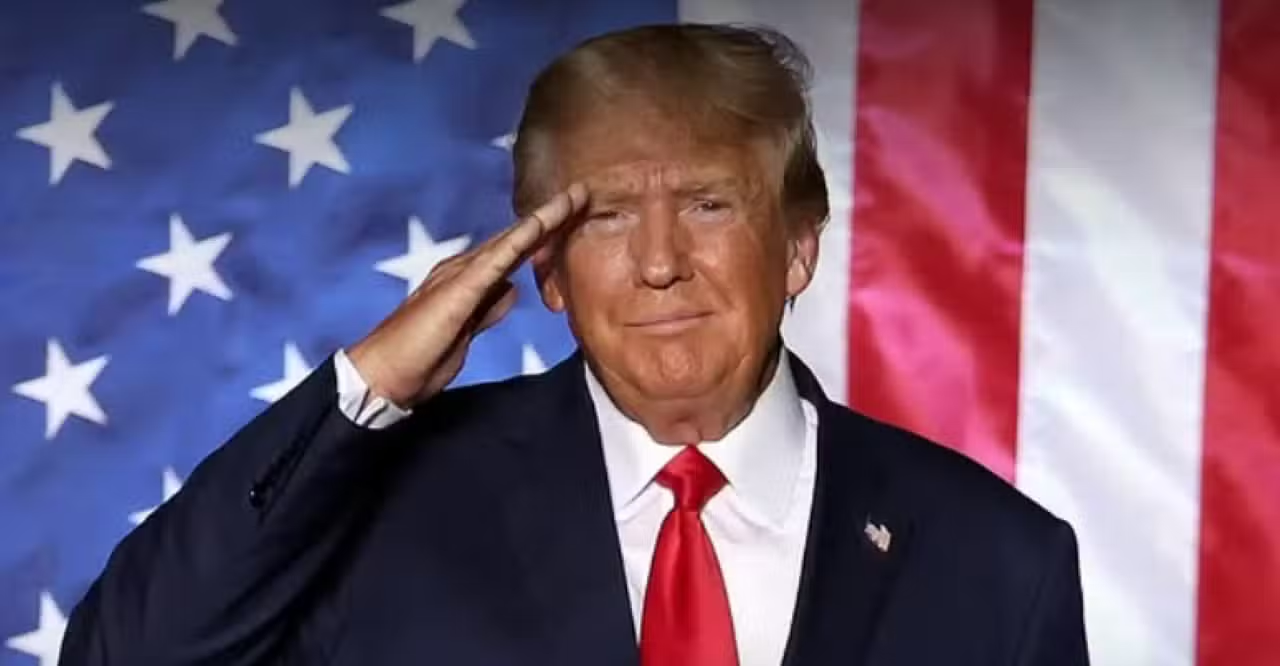
Donald Trump, former U.S. president and 2024 election candidate, has once again ignited controversy with the release of an AI-generated video that presents a highly controversial vision for the Gaza Strip. The video, titled “Riviera of Gaza”, depicts the war-torn territory transformed into a luxurious tourist destination filled with skyscrapers, casinos, and golden statues of Trump himself. The visual production also features digitally generated images of Israeli Prime Minister Benjamin Netanyahu and billionaire entrepreneur Elon Musk, placing them in a fictional setting of celebration and prosperity.
The release of the video sparked a global outcry, with critics arguing that it disregards the historical and humanitarian realities of the region. The idea of turning Gaza into a Western-style paradise was perceived as deeply offensive, given the current destruction of the area and the suffering of its Palestinian inhabitants. On the other hand, Trump’s supporters have defended the vision as a bold plan for reconstruction and peace, arguing that economic development could be a viable path to regional stability.
By combining satire, political provocation, and AI technology, the video raises serious concerns about the growing use of artificial intelligence in political communication. As the 2024 U.S. election approaches and tensions in the Middle East persist, the controversy surrounding the video underscores the ethical and geopolitical challenges of AI-generated content in election campaigns and diplomatic discourse.
The fictional “Riviera of Gaza” proposal and its implications
Trump’s AI-generated video envisions a complete transformation of Gaza into a luxurious entertainment and business hub under U.S. influence.
- Skyscrapers and modern infrastructure: the video portrays a cityscape filled with towering glass buildings, in stark contrast to the actual devastation in the region.
- Casinos and luxury resorts: it depicts five-star hotels, bustling casinos, and pristine beaches lined with superyachts.
- Presence of high-profile figures: Netanyahu is shown alongside Trump, appearing to celebrate Gaza’s transformation. Elon Musk is portrayed in a festive atmosphere, symbolizing technological investments.
- Golden statues and U.S. symbolism: large Trump statues and references to American capitalism dominate the landscape, reinforcing the supposed vision of Western influence.
Despite its exaggerated satirical tone, the video’s impact on international discourse has been significant. The concept of a “Westernized Gaza” clashes with the harsh realities of the territory, including infrastructure destruction, the economic blockade imposed by Israel and Egypt, and the forced displacement of thousands of Palestinians.
Trump’s history of controversial Middle East policies
This is not the first time Donald Trump has put forth provocative ideas about the region. During his presidency, he took a hardline approach to Middle East diplomacy, making decisions that significantly altered U.S. foreign relations.
- Recognition of Jerusalem as Israel’s capital: in 2017, Trump relocated the U.S. embassy from Tel Aviv to Jerusalem, triggering widespread protests and increased violence.
- Withdrawal from the Iran Nuclear Deal: the 2018 decision heightened tensions between Washington and Tehran, escalating regional instability.
- Abraham Accords: negotiated under his administration, the agreements normalized relations between Israel and several Arab nations but did not lead to significant progress for Palestinians.
- Proposal for the relocation of Gaza’s population: in recent speeches, Trump suggested moving Palestinian residents to neighboring countries, a proposal condemned by human rights experts.
With “Riviera of Gaza”, Trump continues his strategy of positioning himself as a disruptive force in Middle East policy, using the video to appeal to his voter base while reinforcing his image as a leader willing to propose radical solutions to global conflicts.



Artificial intelligence and political risks
The increasing use of AI in political content creation has raised concerns worldwide.
- Public opinion manipulation: AI-generated videos can sway voters by presenting fictional narratives in a convincing way.
- Disinformation and deepfakes: highly realistic content can distort facts and fuel conspiracy theories.
- Impact on international diplomacy: using AI for satire in conflict zones could escalate tensions and damage diplomatic relations.
- Regulatory challenges: the rapid proliferation of AI-generated content makes it difficult to implement fact-checking and digital governance measures.
Experts argue that these technological advancements require greater responsibility from public figures and media platforms. The absence of clear guidelines for AI use in political campaigns could make disinformation an even more dangerous tool for shaping public discourse.
Global reactions and diplomatic consequences
The response to “Riviera of Gaza” has varied, ranging from harsh criticism to strategic endorsements.
- Israeli government: Netanyahu has yet to comment, but Israeli officials have expressed concerns about how the country is portrayed.
- Palestinian leaders: Palestinian authorities called the video an insult to Gaza’s suffering and an example of Western insensitivity toward the humanitarian crisis.
- U.S. allies: European Union leaders condemned Trump’s approach, emphasizing that any solution for Gaza must adhere to international law.
- American public opinion: the video has further divided voters, reigniting debates about the U.S. role in the Middle East and AI’s influence in elections.
The global reaction highlights how AI-generated political content can have real-world consequences. While the video was meant to be satirical, its reception underscores the complexity of the Middle East conflict, where symbolic interventions can provoke significant geopolitical shifts.
Impact on Trump’s campaign and election challenges
Donald Trump has increasingly relied on digital strategies to strengthen his 2024 presidential campaign. The use of AI in campaign materials reflects an innovative approach but also raises ethical concerns about the role of technology in political messaging.
- Conservative voter support: his base sees the video as a critique of conventional diplomatic failures in Gaza.
- Resistance from moderates: the exaggerated portrayal of the conflict may alienate undecided voters.
- Democratic opposition: the Democratic Party is expected to use the controversy to question Trump’s handling of emerging technologies.
The 2024 U.S. election is becoming increasingly influenced by digital innovations, and “Riviera of Gaza” exemplifies how artificial intelligence is reshaping global political discourse.
Veja Tambem em EUA

Pesquisa no Texas aponta republicanos à frente para governador e procurador-geral, democratas em vantagem mínima no Senado

EUA atacam radares iranianos; Irã responde com mísseis a base americana no Kuwait, em nova escalada

Homem morre sete dias após ser baleado por proprietário em imóvel invadido em Oklahoma City, EUA

Incêndio devasta The Tiny Turtle e afeta dois negócios na Minutemen Causeway em Cocoa Beach

Diferença no benefício médio do Social Security entre 62, 67 e 70 anos chega a 60% em 2026

Pesquisa aponta que 69% dos trabalhadores nos EUA temem não economizar o suficiente para a aposentadoria

Gerenciamento de US$ 2 milhões a US$ 5 milhões em aposentadoria: milionários enfrentam desafios inesperados, revela análise

Agente do ICE, Christian Castro, é detido no Texas por tiroteio e falso testemunho em Minneapolis

Justiça federal condena ex-superintendente de Des Moines a 2 anos de prisão por falsa cidadania americana

M&M’s anuncia parceria com Love Island USA e lança pacotes interativos temáticos da série

Aumento da gasolina nos EUA: americanos ajustam rotinas, diminuem viagens e buscam alternativas para economizar