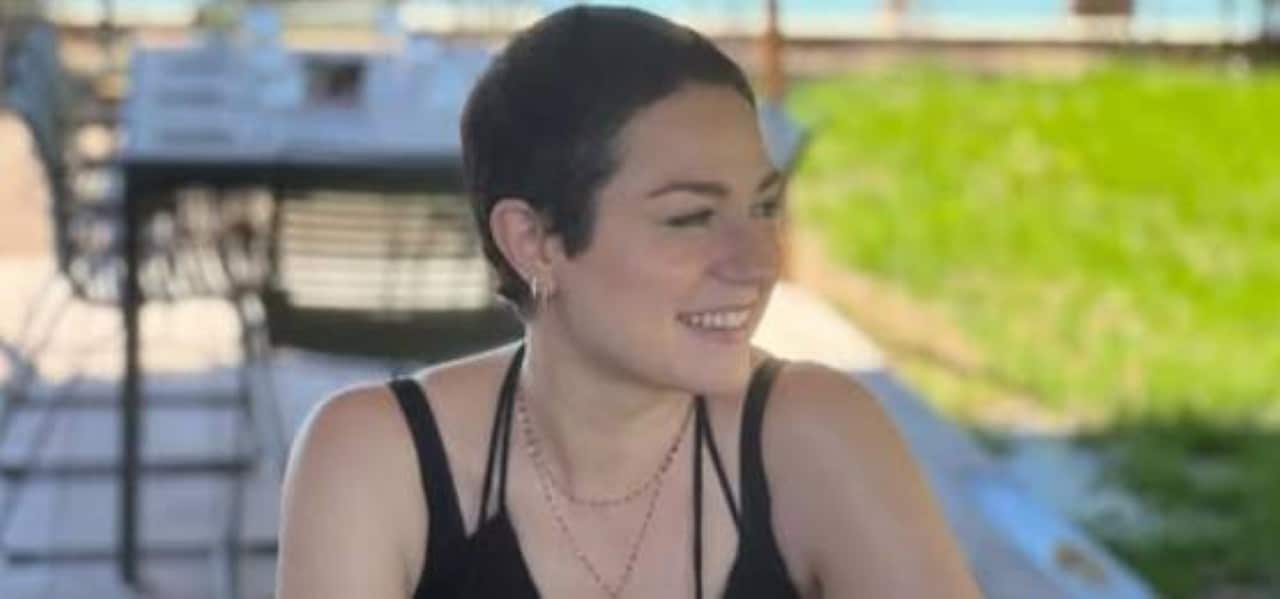
Belgian actress Émilie Dequenne passed away on Sunday, March 16, 2025, at the age of 43, leaving the French-speaking cinema world in mourning. She was hospitalized at Gustave Roussy Hospital in Villejuif, Val-de-Marne, France, where she battled adrenocortical carcinoma, a rare and aggressive cancer affecting the adrenal glands. Diagnosed in 2023, Émilie faced the illness with unwavering resolve, openly sharing her journey and inspiring fans with her strength. Despite a brief remission in 2024, the cancer returned late last year, leading to a fatal relapse. Her death was confirmed by her family and agent, Danielle Gain, in a statement to AFP, stunning colleagues and admirers who followed her over two-decade-long career. Known for standout roles in films like “Rosetta” and “Close,” Émilie leaves behind a legacy of powerful performances and an award-winning career that began at 18.
Adrenocortical carcinoma, the disease that claimed Émilie’s life, is so rare it affects only one to two people per million annually in France. She went public with her struggle in October 2023, months after emergency surgery in August of that year. On social media, she wrote about her determination to defeat the “crab” that had upended her life, while acknowledging the daily challenges of the condition.
Tributes from French and Belgian cinema figures flooded social media following the announcement of her passing. France’s Culture Minister, Rachida Dati, praised Émilie’s impact on cinema, noting that her moving performances in powerful roles left an indelible mark. Her untimely death cut short a career with much more to offer, but her talent remains immortalized in dozens of films.
A brilliant career cut tragically short
Breakthrough in “Rosetta” launches a celebrated career
At just 18, Émilie Dequenne burst onto the cinema scene with “Rosetta,” directed by the Dardenne brothers in 1999. Her raw portrayal of a young woman fighting to survive in a harsh world earned her the Best Actress award at the Cannes Film Festival, a milestone that also saw the film win the Palme d’Or. The role not only launched her career but established her as one of Europe’s most promising talents. Jean-Pierre Dardenne, speaking to RTL, remembered her as radiant, generous, and full of enthusiasm—qualities that shone through in both her acting and her personality. This meteoric debut marked the start of a journey that spanned over 25 years of significant contributions to French-language cinema.
Following “Rosetta,” Émilie quickly proved her versatility, moving seamlessly between mainstream productions and arthouse films. Her ability to breathe life into complex characters led to roles in projects like “A perdre la raison,” which earned her another Cannes award in 2012, and “Les Choses qu’on dit, les Choses qu’on fait,” for which she won the César for Best Supporting Actress in 2021. In Belgium, she was widely celebrated, collecting multiple Magritte Awards, including Best Actress for “Pas son genre” (2015) and “Chez nous” (2018).
Illness forces a halt to a rising star
Diagnosed with adrenocortical carcinoma in 2023, Émilie Dequenne had to step away from filming and theater in her final months. Before that, she starred in notable projects like the 2022 drama “Close,” directed by Lukas Dhont, reinforcing her reputation for emotional depth. In 2024, despite her illness, she attended the Cannes Film Festival to mark the 25th anniversary of “Rosetta,” a moment that underscored her resilience. Her last role was in the English-language film “Survive,” released shortly before her health declined. The cancer’s return late last year, however, halted her ability to continue building her legacy, ending a career poised for even greater heights.
The toll of a rare and aggressive cancer
Understanding adrenocortical carcinoma, Émilie’s fatal illness
Adrenocortical carcinoma is a tumor that develops in the outer layer of the adrenal glands, located above the kidneys, which produce hormones like cortisol and adrenaline. Classified as extremely rare, it primarily affects adults aged 40 to 50 or children under 15, with an incidence of just one to two cases per million annually. Symptoms, including facial and body changes, muscle weakness, high blood pressure, and diabetes, stem from hormonal overproduction caused by the tumor. For Émilie, the diagnosis came in mid-2023 after emergency surgery, followed by intensive treatment that briefly appeared to subdue the disease.
In April 2024, Émilie celebrated remission, sharing the news with her social media followers. The relief was short-lived: the cancer returned in December, more aggressive than before, as she disclosed in a TF1 interview. “I know I won’t live as long as I’d hoped,” she said, displaying the clarity and courage that defined her fight. Experts at Gustave Roussy Hospital, where she received care, note that this tumor’s causes remain unknown, and its prognosis is often grim, particularly in advanced stages.
Timeline of Émilie’s cancer battle
Émilie Dequenne’s fight against adrenocortical carcinoma was a rollercoaster of hope and setbacks, closely followed by fans and peers. Here are the key moments:
- August 2023: Émilie undergoes emergency surgery, leading to her cancer diagnosis.
- October 2023: She publicly announces her illness on Instagram, vowing to fight with determination.
- April 2024: After months of treatment, she enters remission and shares the milestone.
- May 2024: Attends Cannes to celebrate 25 years of “Rosetta.”
- December 2024: The cancer returns, and Émilie reveals her relapse on TF1.
- March 16, 2025: She passes away at Gustave Roussy Hospital, aged 43.
Tributes and Émilie Dequenne’s lasting legacy
French-speaking cinema loses a multifaceted star
Émilie Dequenne’s death sparked an outpouring of heartfelt tributes from peers and fans alike. Virginie Efira, in an Instagram post, highlighted the inspiration Émilie provided as both an actress and a person, while Leïla Bekhti called her a “great soul” and “queen” whose kindness and talent would be deeply missed. Jean Dujardin, Alex Lutz, and Tahar Rahim also paid their respects, reflecting her widespread influence. Culture Minister Rachida Dati emphasized that cinema lost a gifted artist too soon, but her performances would endure as a testament to her brilliance.
Beyond her award-winning roles, Émilie was known for her range, excelling in romantic comedies like “Pas son genre” and political dramas like “Chez nous.” Her final public appearance, on World Cancer Day in February 2025, showcased her strength as she sent support to fellow patients after a 13-day hospital stay. “What a fierce battle!” she wrote, in words that now echo as a farewell.
Highlights of Émilie Dequenne’s career
Émilie’s career is filled with achievements that cemented her as a leading figure of her generation. Here are some standout moments:
- 1999: Wins Best Actress at Cannes for her debut in “Rosetta.”
- 2012: Earns another Cannes award for “A perdre la raison.”
- 2021: Takes home the César for Best Supporting Actress in “Les Choses qu’on dit, les Choses qu’on fait.”
- 2013-2018: Secures three Magritte Awards for Best Actress in Belgium.
- 2022: Stars in “Close,” one of her last roles before stepping back due to health.
Émilie leaves behind her daughter, Milla Savarese, 22, also an actress, and her husband, Michel Ferracci, whom she married in 2014. Her early departure does not dim the brilliance of a career that, over 25 years, moved audiences and shaped generations of filmmakers and actors.