Prepare for Mount Spurr eruption with tips to shield kids, pets, and cars
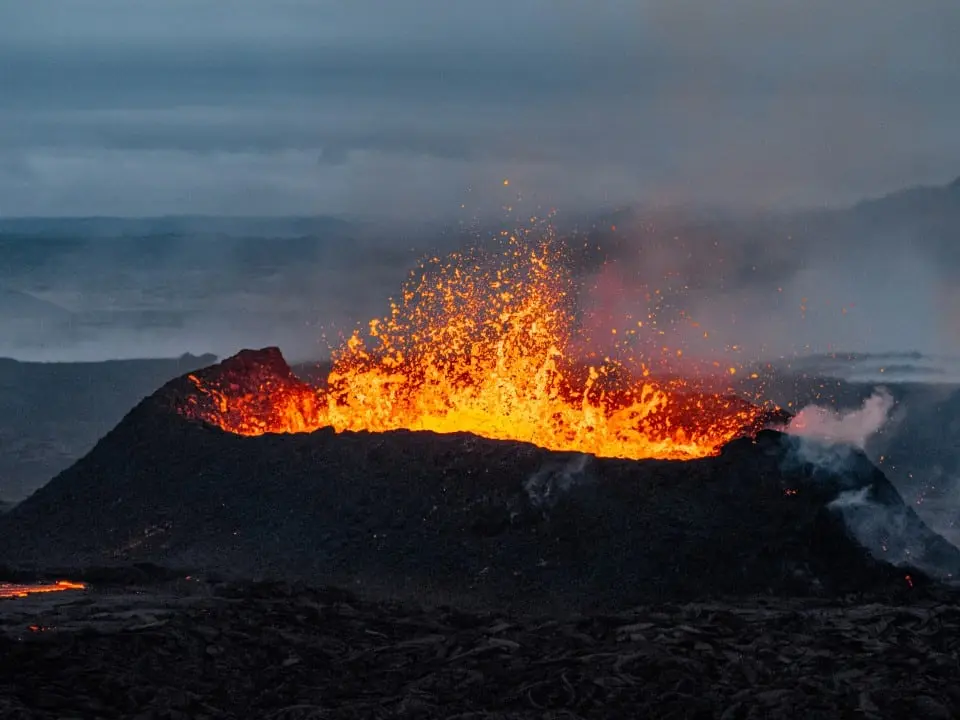
Scientists have warned that Mount Spurr, a volcano just 78 miles northwest of Anchorage, Alaska, could erupt within weeks or months, prompting residents of Southcentral Alaska to brace for up to a quarter-inch of ashfall. Positioned at the southern end of the Tordrillo Mountains, this volcano—visible from the city on clear days—has erupted four times in the past century: once in 1953 and three times in 1992. Those events blanketed the region with ash, halting flights, closing schools and offices, and costing an estimated $2 million in cleanup efforts in 1992 alone. Now, families, pet owners, and drivers are rushing to protect their loved ones, homes, and vehicles from the looming threat of volcanic ash.
Volcanic ash, a gritty mix of pulverized rock, minerals, and glass, poses serious risks: it can clog engines, obscure visibility, and harm lungs. The National Weather Service’s Anchorage office will issue ashfall warnings detailing where, when, and how much ash is expected, while the Alaska Division of Homeland Security and Emergency Management advises preparing disaster kits with two weeks of nonperishable food, water, flashlights, and N95 masks. Local stores report surging demand for vehicle filters, pet gear, and protective supplies since the Alaska Volcano Observatory raised the alert.
Power outages aren’t guaranteed, according to Chugach Electric Association, but preparation remains critical. School districts in Anchorage and Matanuska-Susitna have outlined plans ranging from closures to shelter-in-place protocols, depending on the eruption’s timing and scale. Meanwhile, scientists track seismic activity and gas emissions, assuring residents that past patterns suggest ample warning before any eruption begins.
Safeguarding your family from volcanic ash
Protecting children and adults starts with understanding the risks. Ash can irritate eyes, noses, and lungs, especially for those with respiratory conditions. Authorities recommend staying indoors during ashfall, sealing windows and doors, and using N95 masks to filter fine particles.
Families should stockpile essentials for at least 14 days. Nonperishable food, water, and external phone chargers top the list, as disruptions to services are possible. Schools may close or dismiss early if ashfall hits during class hours, so parents need to stay informed through district updates.
Essential care for pets during ashfall
Pets and livestock face similar dangers from ash exposure. Veterinarians urge keeping animals indoors or sheltered, as ash can damage their eyes, noses, and lungs. If exposed, washing their fur and flushing their eyes with clean water is critical, and contaminated food should be avoided.
Anchorage’s AK Bark pet store has sold around 800 canine masks, 100 pairs of goggles, and countless booties since the alert. Owners are encouraged to familiarize pets with protective gear—like jackets and masks—beforehand to minimize stress during an actual event.
Transportation risks and vehicle protection
Ashfall wreaks havoc on transportation. In 1992, the Ted Stevens Anchorage International Airport shut down for 20 hours after a Mount Spurr eruption, as airborne ash threatened jet engines and visibility. Another eruption could ground flights again if winds carry ash southeast toward Anchorage.
- Avoid driving during ashfall
- Wash vehicles with water, not dry brushing
- Replace air and oil filters post-exposure
Auto parts stores like O’Reilly report skyrocketing sales of filters, washer fluids, and car covers as residents prepare.
Securing homes against ash damage
Homes need special attention to withstand ashfall. Chugach Electric Association notes that an eruption won’t automatically cut power, but heavy ash could strain systems over time. In 2009, the nearby Redoubt volcano’s eruption dusted Homer with ash, yet power held steady for Chugach’s 91,000 customers.
Heating and air-conditioning units are vulnerable to clogging. Residents are adding temporary filters—some using pantyhose—and covering outdoor equipment with plastic sheeting. Regular vacuuming of air intakes helps maintain functionality during prolonged ashfall.
Mount Spurr’s eruption history
Mount Spurr has a track record of disruption. Its four eruptions in the last 100 years—1953 and three in 1992—stemmed from Crater Peak, its southern vent. Two of those events dumped a quarter-inch of ash across Southcentral Alaska, shutting down daily life for hours. The 1992 cleanup cost of $2 million underscores the scale of impact.
Leia Também

Empresária relata saga burocrática para garantir devolução de mais de US$ 15 mil em tarifas federais

Após décadas, assassinato de pastor na Geórgia em 1996 tem detento com prisão perpétua indiciado

Promotor é considerado em desacato judicial por comentários públicos em assassinato de Charlie Kirk, mas pena de morte não é afastada
Past eruptions offer clues about what’s coming. Winds often carry ash southeast, affecting Anchorage and nearby areas, with effects lingering depending on weather patterns. The Alaska Volcano Observatory uses this history to refine current predictions.
Real-time volcanic monitoring efforts
Tracking an eruption requires precision. The Alaska Volcano Observatory, a collaboration between the U.S. Geological Survey, the University of Alaska Fairbanks, and state geologists, monitors Spurr with seismic data relayed live to Anchorage. Flights over the volcano, like one on March 21, measure gas emissions—a key eruption indicator.
Matt Haney, the observatory’s lead scientist, emphasizes volcanic tremors as a critical sign. These vibrations preceded the 1992 Spurr eruption by three weeks and the 2009 Redoubt event by two months. So far, no tremors have appeared, but vigilance remains high.
School districts gear up for action
Local schools are ready to adapt. The Anchorage School District plans to close if ashfall is forecast outside school hours or release students early if it’s imminent. Every school has a volcano response plan, including shelter-in-place measures and air quality controls.
- Full cancellation if ash is predicted
- Early dismissal during sudden ashfall
- Shelter protocols with emergency supplies
The Matanuska-Susitna Borough mirrors this approach, tailoring responses to eruption size and wind direction.
Ash threats to aviation and roads
Aviation faces the deadliest risks. Ash can impair flight controls, reduce visibility, and cause engine failure, as seen in 1992’s airport closure. The U.S. Geological Survey warns that even trace amounts in the air can ground planes, a precaution likely to repeat if Spurr erupts.
On roads, ash creates slippery conditions and damages vehicles. Mechanics advise against dry brushing to prevent scratches, urging thorough water washes and filter replacements after exposure.
Preparation timeline and alerts
Key dates guide the response:
- March 10: ASH ALERT! advisory issued
- March 21: Gas measurement flight conducted
- Coming weeks: Potential tremor detection
The National Weather Service will provide detailed warnings, giving residents time to finalize preparations.
Surge in demand for supplies
Retailers are feeling the rush. O’Reilly Auto Parts reports bare shelves as customers snap up air filters, cabin filters, and washer fluids. AK Bark’s pet gear—power washers, goggles, and raincoats—flies out the door, with owners stocking up for worst-case scenarios.