Rescue operation races to find missing American troops after training mishap in Lithuania
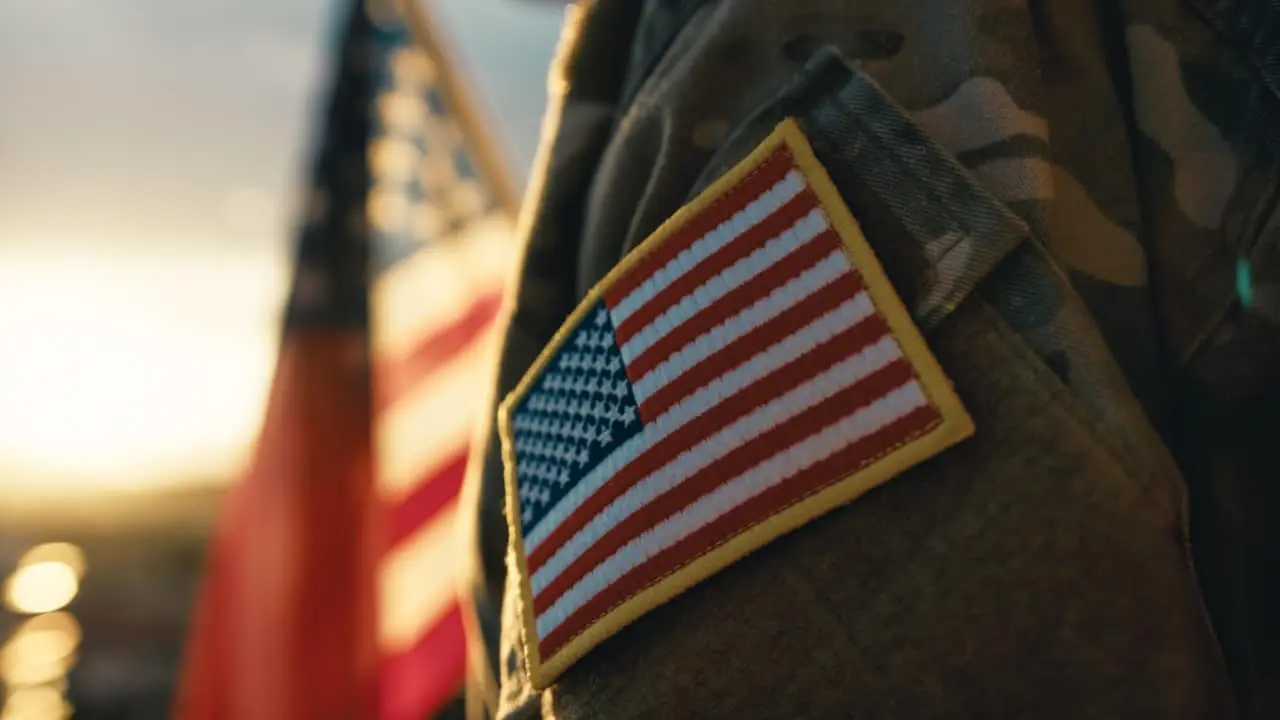
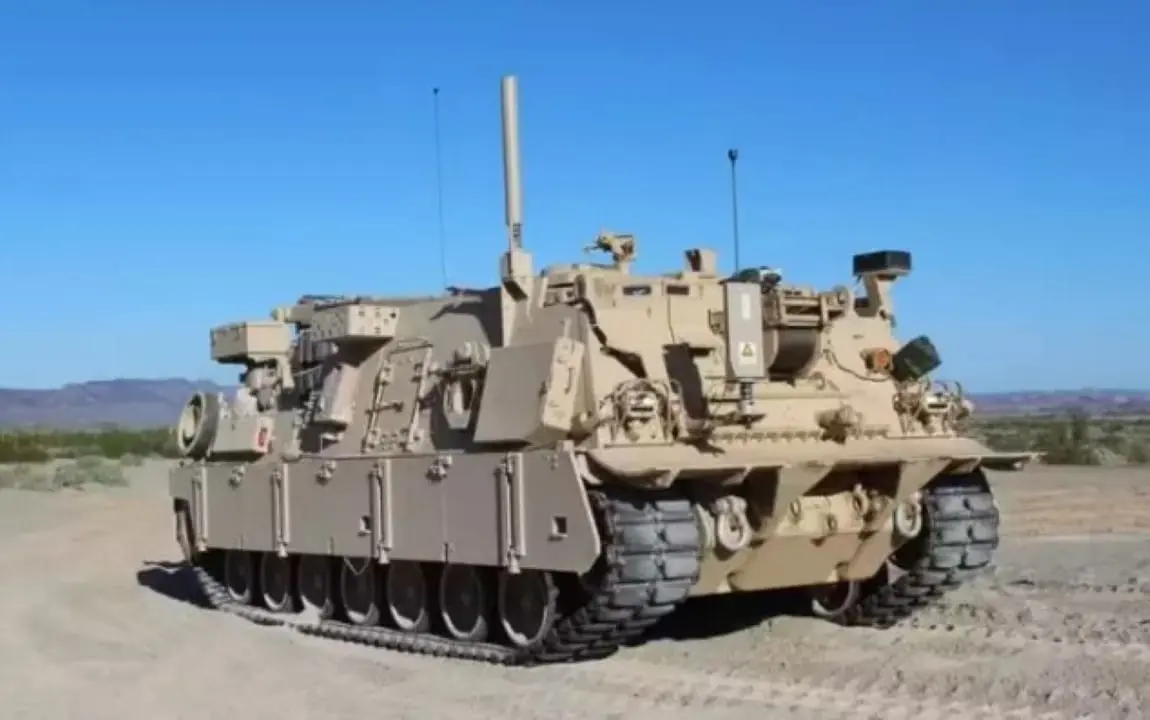
Four U.S. Army soldiers vanished during a military training exercise in Lithuania near the Belarus border on Tuesday, March 25. The incident took place in the swampy region of Pabradė, where the troops were operating an M88 Hercules armored recovery vehicle. The 63-ton vehicle was later discovered submerged in a lake five meters deep, sparking a large-scale search and rescue operation. Teams from the U.S. Army, Lithuanian Armed Forces, and civilian agencies have been working around the clock, battling treacherous terrain to locate the missing soldiers in a mission that has gripped international attention.
The operation kicked off swiftly after the soldiers were reported missing. Lithuanian Air Force helicopters, border guards, and specialized water rescue teams descended on the General Silvestras Žukauskas Training Area, less than 10 kilometers from Belarus. The U.S. Army confirmed the soldiers belong to the 1st Brigade of the 3rd Infantry Division, stationed in Lithuania as part of a scheduled tactical drill. No bodies have been recovered, and efforts remain focused on scouring the swampy expanse where the vehicle went down.
The M88 Hercules, a cornerstone of U.S. military operations, is built to recover tanks and navigate tough landscapes. With a hydraulic crane lifting up to 35 tons and a winch pulling 70 tons, it’s a vital asset in field missions. Its deployment in Lithuania underscores America’s commitment to Baltic security, a priority since the 2014 Atlantic Resolve operation began in response to Russia’s annexation of Crimea. This incident, however, has exposed the risks of operating such heavy machinery in unstable terrain.
How it unfolded: the Pabradė disappearance
Around 4:45 p.m. local time on Tuesday, the four soldiers were reported missing at the Pabradė training ground. Known for its boggy conditions and proximity to Belarus, the area serves as a key site for NATO exercises. The U.S. Army stated the troops were likely aboard the M88 Hercules, possibly tasked with retrieving another heavy vehicle, when disaster struck. Initial reports suggest the vehicle veered off a path and sank into the swamp, trapping those inside.
Response was immediate. Lithuanian and U.S. forces launched a joint search, deploying drones and diving gear. By Wednesday morning, March 26, the submerged M88 was located, but the soldiers remained unaccounted for. U.S. Ambassador to Lithuania Kara McDonald praised the Lithuanian effort, noting the swamp’s density as a major hurdle. “We won’t stop until our troops are found,” she said, echoing the U.S. Defense Secretary’s resolve.
Inside the M88 Hercules: a submerged titan
The M88 Hercules is a powerhouse designed for extreme conditions. Powered by a 1,050-horsepower V12 diesel engine and equipped with wide tracks, it can handle mud, snow, and sand. Weighing 63 tons, it’s built to tow tanks like the M1 Abrams, making it indispensable in combat zones. Yet, its heft may have played a role in the accident, as Pabradė’s soft, waterlogged ground offers little support for such a massive machine.
Recovering the sunken vehicle has proven challenging. Teams have drained parts of the swamp and used cranes to probe its interior, located five meters underwater. A U.S. officer speculated the soldiers might be trapped inside, though no official confirmation has emerged.
Timeline of the search effort
The operation has unfolded in distinct phases, with relentless activity since the soldiers vanished. Key moments include:
- Tuesday, March 25, 4:45 p.m.: Soldiers and M88 reported missing in Pabradė.
- Wednesday, March 26, morning: Vehicle found submerged at five-meter depth.
- Wednesday, March 26, afternoon: Swamp drainage begins, NATO support ramps up.
- Thursday, March 27, early hours: Search persists, focusing on excavation efforts.
Joint forces: Lithuania and U.S. unite in crisis
Collaboration between U.S. and Lithuanian forces has been seamless. Lithuanian Army Commander General Raimundas Vaiksnoras emphasized solidarity, saying, “Their soldiers are like our own.” Lithuania, a NATO member since 2004, shares a tense border with Belarus, a Russian ally, making U.S. presence critical. Civilian agencies have also stepped in, bolstering logistics as the mission unfolds.
Lithuanian Defense Minister Dovile Sakaliene visited the site Wednesday night, confirming efforts to drain the swamp. The operation includes aquatic rescue experts tackling low visibility and unstable ground. Their work reflects a broader NATO commitment to regional stability, tested by this unexpected crisis.
NATO’s controversial statement
On Wednesday, during a trip to Warsaw, Poland, NATO Secretary-General Mark Rutte claimed the four soldiers were dead. The statement, lacking elaboration, sparked confusion. NATO quickly backtracked, with a spokesperson clarifying Rutte relied on early reports and that the soldiers’ fate remains unknown. “We regret any misunderstanding,” the alliance posted online.
The U.S. Army refuted the deaths, stressing no bodies have been found. Lithuanian Defense Minister Sakaliene echoed this, urging focus on the ongoing search. The incident has heightened scrutiny on the rescue teams, now under a global spotlight.
Leia Também

Empresária relata saga burocrática para garantir devolução de mais de US$ 15 mil em tarifas federais

Após décadas, assassinato de pastor na Geórgia em 1996 tem detento com prisão perpétua indiciado

Promotor é considerado em desacato judicial por comentários públicos em assassinato de Charlie Kirk, mas pena de morte não é afastada
Geopolitical stakes: Belarus border tensions
The soldiers’ disappearance comes amid strained Baltic geopolitics. Lithuania, Latvia, and Estonia have clashed with Russia and Belarus since breaking from the Soviet Union in 1990. Tensions spiked after Russia’s 2022 Ukraine invasion, prompting NATO to bolster its eastern flank. Pabradė’s location, just 15 kilometers from Belarus, amplifies the incident’s significance.
Since 2019, U.S. battalions have rotated through Lithuania under NATO’s Enhanced Forward Presence. The Atlantic Resolve operation, launched in 2014, counters Russian influence with regular drills like the one interrupted by this mishap. The M88’s submersion highlights the perils of training near potential flashpoints.
Swamp challenges: nature vs. rescue
Pabradė’s swampy terrain is a formidable foe. Thick mud and icy water slow progress, requiring specialized gear and patience. Draining began Thursday morning, but the swamp’s volume and shifting soil hinder efforts. Divers face near-zero visibility, while cranes struggle to stabilize the M88 for retrieval.
Ambassador McDonald called the site “exceptionally tough” for recovery work. The vehicle’s weight and the lake’s depth demand a meticulous approach, potentially stretching the mission over days. Meanwhile, the soldiers’ families receive constant updates from the U.S. Army, clinging to hope.
Who are the missing soldiers?
The four belong to the 1st Brigade, 3rd Infantry Division, a unit renowned for tactical operations worldwide. Stationed in Lithuania as part of a rotational force, their identities remain undisclosed. The Army is supporting their families, offering regular briefings and counseling.
Their mission involved a scheduled tactical exercise, possibly testing the M88’s capabilities in harsh conditions. Losing contact with the team triggered an instant response, though details remain scarce, fueling uncertainty.
M88 Hercules facts
The vehicle at the heart of this incident boasts impressive specs:
- Weight: 63 tons, akin to 10 African elephants.
- Top speed: 25 mph, even on rough terrain.
- Towing capacity: Up to 70 tons, handling tanks like the M1 Abrams.
- Combat history: Used in the Gulf War and Afghanistan missions.
Global reaction and next steps
The story has captured worldwide attention, with leaders tracking developments. Lithuanian President Gitanas Nauseda voiced support for the families and rescuers, stating, “We hold onto hope and stand with those searching.” NATO aims to quash speculation as the operation presses on.
The coming hours are pivotal. Teams plan to deepen swamp drainage and explore the M88’s interior if it can be lifted. Lithuania launched an official probe into the accident, seeking answers on whether planning flaws or unforeseen terrain issues contributed.
Family support and military resolve
As the search continues, the U.S. Army maintains close contact with the soldiers’ families, providing updates and emotional support. America’s military presence in Lithuania, vital since 2014, remains unshaken by this event, officials say.
NATO unity shines through, with Portugal’s 170 marines—deployed since March 17—also part of the alliance’s reassurance measures. This crisis underscores the bloc’s collective strength amid regional uncertainties.