Samsung announced in March 2025 the official launch of One UI 7, its new interface built on Android 15, marking a transformative milestone for millions of Galaxy devices worldwide. The update, which began its global rollout, initially targets premium models like the Galaxy S25 but is set to reach a wide range of smartphones, tablets, and foldables throughout the year. Featuring a sleek redesigned interface, enhanced performance, and cutting-edge artificial intelligence tools, One UI 7 underscores Samsung’s commitment to maintaining its leadership in the mobile device market, competing head-to-head with industry giants like Apple and Google. In Brazil, one of Samsung’s largest markets, millions of users eagerly await the innovations, which include modernized icons, improved battery management, and features that make devices more intuitive and secure.
Beyond aesthetic upgrades, One UI 7 addresses the growing demand for faster, more customizable, and secure operating systems. The update delivers optimizations that breathe new life into older devices, such as the Galaxy S22, while ensuring mid-range models like the Galaxy A54 and tablets like the Galaxy Tab S9 are included in the rollout. This inclusive approach reflects Samsung’s strategy to democratize access to its latest innovations across various price points and device categories. Artificial intelligence plays a central role, offering tools that adapt to users’ routines, from automated suggestions to energy-saving features.
The global rollout of One UI 7 kicked off in April 2025, following extensive beta testing in markets like South Korea and the United States. Samsung aims to update over 50 million devices by the end of 2025, with a phased schedule designed to ensure stability and compatibility. In Brazil, where Samsung enjoys a significant user base, anticipation is high, particularly for popular models like the Galaxy A34 and M54. The update not only enhances user experience but also strengthens Samsung’s competitive edge in a demanding global market.
- Revamped design with modern icons and smooth animations
- Artificial intelligence for personalization and automation
- Optimized battery and performance for older devices
- Enhanced security with Samsung Knox and regular updates
- Broad support for mid-range models and tablets
A new era for Galaxy design
One UI 7 introduces a significant evolution in the design of Galaxy devices, blending refined aesthetics with practical functionality. The interface features redesigned icons with cleaner, more consistent lines, creating a cohesive visual experience across smartphones and tablets. Reorganized menus simplify navigation, making interactions more intuitive, especially on models like the Galaxy S24 and Z Fold 6. Smoother animations, responsive to gestures like opening apps or scrolling, fulfill a long-standing user demand for a dynamic and engaging interface.
Beyond visual appeal, One UI 7 enhances usability across various scenarios. The notification panel has been revamped for quick access to essential controls, while the home screen offers expanded customization with redesigned widgets. These changes are particularly noticeable on devices with larger displays, such as the Galaxy Z Fold 6, where the interface optimizes multitasking capabilities. Samsung has also tailored the experience for tablets, with the Galaxy Tab S9 gaining tools that streamline tasks like document editing and media streaming.
The meticulous attention to visual and functional details positions One UI 7 as one of Samsung’s most impactful updates in recent years. The interface not only elevates the hardware’s performance but also sets a new benchmark for user experience in the Galaxy lineup, distinguishing Samsung in a market where software is as critical as hardware.
Artificial intelligence as a game-changer
Artificial intelligence is at the heart of One UI 7, redefining how users interact with their Galaxy devices. Virtual assistants now analyze usage patterns to provide personalized suggestions, such as setting automatic reminders based on recurring events or adjusting screen brightness according to ambient lighting. These features are invaluable for users who rely on their devices for professional tasks or personal organization, transforming the smartphone into a proactive companion.
Energy management has been revolutionized with algorithms that monitor battery usage in real time. Dynamic refresh rate displays balance visual quality and power efficiency, ensuring optimal performance for gaming or video streaming without draining the battery. On models like the Galaxy S25 and Z Flip 6, these optimizations extend battery life by up to 15% during heavy use, a significant leap over previous versions. AI also manages background apps, reducing RAM consumption and enhancing system fluidity.
The Now Bar, a standout feature, displays real-time updates on the lock screen, such as workout progress or media controls. Combined with AI-powered photo and video editing tools, One UI 7 offers users greater creative control and convenience. Integration with Google Gemini enhances voice commands, enabling natural interactions like searching for nearby restaurants or editing content with minimal effort.
Detailed 2025 rollout schedule
Samsung has structured the One UI 7 rollout in phases to ensure stability and compatibility across its diverse device lineup. The process, which began in April 2025, prioritizes premium devices before expanding to mid-range models and tablets. In Brazil, the update started arriving in late April, with the Galaxy S24 among the first to receive the new system. The company plans to cover over 50 models by the end of 2025, spanning flagships to budget-friendly devices.
- January to March 2025: Galaxy S25 (pre-installed), S24, Z Fold 6, and Z Flip 6
- April to June 2025: Galaxy S23, S22, A54, A34, M54, and other mid-range models
- July to September 2025: Galaxy Tab S9, Tab S8, A33, M34, and remaining devices
- October to December 2025: Final adjustments and updates for regional variants
This phased approach allows Samsung to refine the software at each stage, minimizing issues like the screen unlock bugs reported in South Korea during the initial rollout. In Brazil, where mid-range models like the Galaxy A54 dominate sales, the arrival of One UI 7 is a competitive advantage, particularly in a price-sensitive market.
Robust security for a digital world
Data protection is a cornerstone of One UI 7, which incorporates an updated Samsung Knox platform for enhanced security. The system offers robust defenses against malware and cyberattacks, with granular controls that let users specify which data each app can access. This approach addresses growing privacy concerns, especially in an era where smartphones store sensitive information and handle financial transactions.
Real-time monitoring is a key highlight, automatically detecting suspicious activity and issuing alerts to block threats before they cause harm. This feature is critical for users who rely on their devices for banking or storing confidential data. One UI 7 also includes April 2025 security patches, addressing over 60 vulnerabilities to ensure greater stability and protection.
Samsung has committed to delivering regular security updates for older models, such as the Galaxy S22 and A33. This long-term support policy enhances device reliability and reinforces Samsung’s reputation as a leader in mobile security, rivaling brands like Apple in a market where trust is paramount.
Extended support for older devices
Samsung’s extended support policy is a standout feature of One UI 7, bringing the update to devices launched years ago. Models like the Galaxy S22, still widely used in markets like Brazil, receive not only the new interface but also ongoing security updates, keeping them competitive. This approach meets consumer demand for durable products, reducing the need for frequent hardware upgrades.
A beta program, conducted in markets like South Korea, the United States, and Germany, allowed users to test the interface and provide feedback before the global launch. This process helped Samsung address issues, such as the Exynos-related unlock bugs on the Galaxy S24, ensuring a more polished stable release in April 2025. The beta feedback refined features like the Now Bar and multitasking capabilities.
Including mid-range models like the Galaxy A33 and M34 underscores Samsung’s focus on emerging markets. In Brazil, where affordable devices drive sales, One UI 7 brings premium features like AI photo editing and battery optimizations to budget-conscious consumers. This strategy strengthens Samsung’s global presence and reputation as an inclusive brand.
Optimized 5G connectivity and performance
One UI 7 is tailored to maximize 5G networks, reducing latency and ensuring stable connections in urban areas with robust coverage. In regions with developing 5G infrastructure, such as parts of Brazil, the interface seamlessly transitions between 5G and 4G, preventing disruptions during video calls or data transfers. Models like the Galaxy A54 show noticeable improvements in speed and reliability, even under heavy usage.
Performance optimization is another core focus. Enhanced RAM management reduces crashes and speeds up task execution, even during intense multitasking. On older devices like the Galaxy S22, these improvements deliver a smoother experience, while premium models like the Galaxy S25 fully leverage Android 15’s capabilities. Data management tools allow users to set limits for specific apps, a valuable feature in markets with restricted data plans.
- 5G connectivity with reduced latency for faster transfers
- Seamless 5G-to-4G transitions in areas with variable coverage
- Optimized RAM management for crash-free multitasking
- Data control tools for efficient use of limited plans
Expanding to tablets and foldables
Samsung’s tablets, including the Galaxy Tab S9 and Tab S8, benefit significantly from One UI 7, aligning their experience with smartphones. The interface enhances tasks like document editing, project management, and streaming, making tablets more versatile for work and entertainment. Multitasking improvements allow users to run up to three apps simultaneously, a feature optimized for larger screens.
Foldable devices, such as the Galaxy Z Fold 6 and Z Flip 6, gain exclusive features. One UI 7 supports advanced multitasking, enabling intuitive screen splitting and app switching with simple gestures. Optimized animations enhance transitions between folded and unfolded modes, improving the user experience on flexible displays. These enhancements solidify Samsung’s leadership in the foldable device segment.
The integration across smartphones, tablets, and foldables strengthens the Galaxy ecosystem, delivering a cohesive experience for users with multiple Samsung devices. One UI 7 ensures each device category maximizes its unique capabilities while maintaining the visual and functional consistency that defines the Galaxy brand.
Impact on the Brazilian market
In Brazil, where Samsung is a leading brand, One UI 7 arrives at a strategic moment. Mid-range models like the Galaxy A54 and A34 dominate sales, and the update brings premium features, such as AI-powered photo editing and battery optimizations, to these devices. The rollout, starting in late April 2025 with the Galaxy S24, has generated significant buzz among consumers, who track updates through forums and social media.
Samsung’s popularity in Brazil stems from its blend of affordable hardware and long-term software support. One UI 7 reinforces this advantage, delivering a modern experience at competitive prices. In a cost-sensitive market, including models like the Galaxy M34 in the update list is a key differentiator, offering features like the Now Bar and advanced security to budget users.
The interface also aligns with Brazil’s data protection regulations, offering settings that enhance user control over privacy. This focus on local needs builds consumer trust and cements Samsung’s position as a market leader in the region.
Challenges and lessons from the global rollout
The One UI 7 rollout faced hurdles, including a temporary pause between April 11 and 12, 2025, due to screen unlock issues, particularly on Exynos-equipped Galaxy S24 models in South Korea. Samsung resumed distribution on April 15 after implementing fixes, but the incident highlighted the challenges of updating a diverse device lineup.
Hardware fragmentation, with varying processors and regional configurations, remains a challenge. In Brazil, where most devices use Snapdragon chips, issues were less prevalent, but Samsung adopted a cautious approach with regional testing to ensure stability. The experience underscored the value of robust beta programs, which helped identify issues early.
Despite setbacks, Samsung’s swift response and commitment to its rollout schedule demonstrated resilience. The company also announced plans to accelerate development of One UI 8, based on Android 16, set for release in July 2025 alongside next-generation foldables like the Galaxy Z Fold 7. This forward-looking strategy minimizes delays and keeps Galaxy devices aligned with Android’s latest innovations.
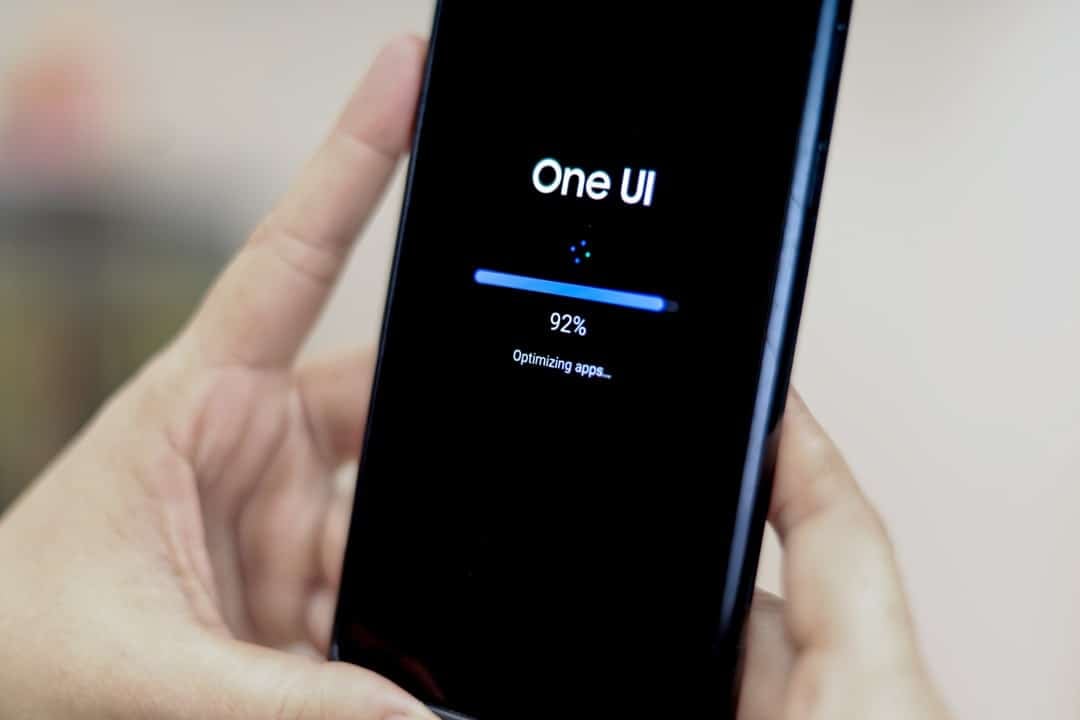
Innovations shaping the future
One UI 7 is more than a software update; it’s a strategic move to position Samsung ahead of competitors. The interface combines modern design, practical AI, and extended support to deliver an experience that appeals to both tech enthusiasts and cost-conscious consumers. Features like the Now Bar and AI editing tools showcase Samsung’s ability to innovate within the Android ecosystem, while enhanced security meets the needs of a complex digital landscape.
The emphasis on artificial intelligence is timely, as consumers increasingly expect devices that adapt to their needs. One UI 7’s assistants learn from user habits, optimizing tasks and energy consumption. Combined with 5G connectivity improvements, these features make Galaxy devices ideal for work, entertainment, and communication.
Looking ahead, Samsung is already developing One UI 8, which will further integrate AI and enhance compatibility with wearables like the Galaxy Watch 7. The company also plans to expand Galaxy AI features to older models, ensuring broader access to advanced tools. This long-term vision reinforces Samsung’s role as a leading innovator in the mobile industry.
- Advanced ecosystem integration for seamless connectivity
- AI tools extended to mid-range and older devices
- Optimized support for wearables like the Galaxy Watch 7
- Foundation for One UI 8 with Android 16 focus
A milestone for the Galaxy lineup
One UI 7 marks a pivotal moment for the Galaxy lineup, solidifying Samsung’s leadership in software innovation and support. The update, set to reach millions of devices in 2025, blends design, performance, and security to deliver an experience that rivals the best in the market. In Brazil, where Samsung commands a loyal user base, the interface enhances device value across flagships and budget models.
The phased rollout, despite initial challenges, reflects Samsung’s dedication to delivering stable software across its extensive product range. Including mid-range models and tablets underscores the company’s mission to make technology accessible, while AI and 5G advancements position Galaxy devices for the future.
With One UI 7, Samsung not only meets consumer expectations but also sets a new standard for mobile operating systems. The interface embodies the brand’s evolution, adapting to a dynamic market and ensuring Galaxy devices remain relevant and competitive for years to come.