Bitcoin scam: Federal Police dismantle R$1.6 billion pyramid scheme with luxury cars and yachts seized in global operation

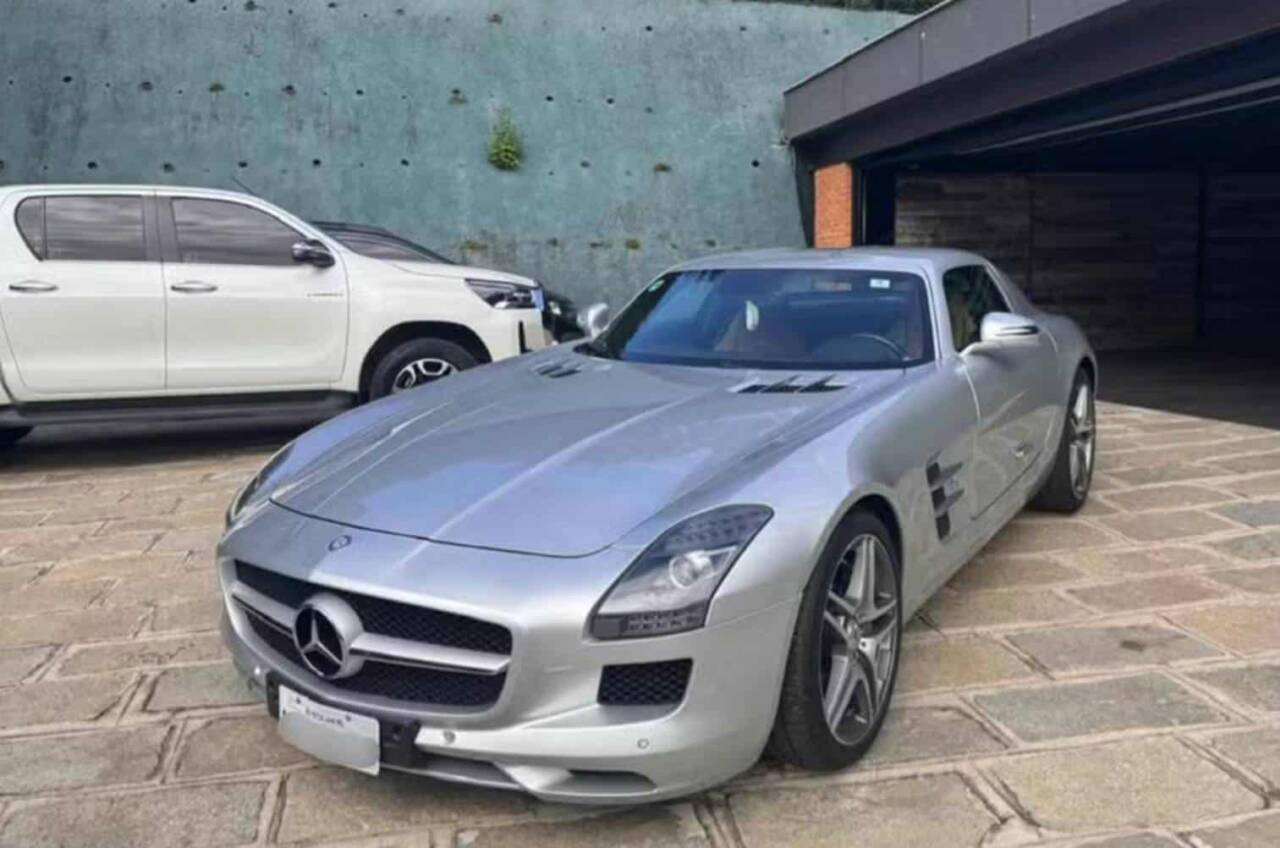
The Federal Police (PF) launched Operation Fantasos on the morning of Wednesday, April 30, 2025, a large-scale action aimed at dismantling an international pyramid scheme that amassed approximately R$1.6 billion in less than two years. With targets in Brazil and support from international authorities, the operation resulted in the seizure of luxury cars, yachts, high-value watches, and cash, highlighting the scope and sophistication of the scam. The main orchestrator, Douver Torres Braga, 48, was arrested in February in Switzerland by Interpol and later extradited to the United States, where he faces charges for defrauding over 100,000 investors worldwide.
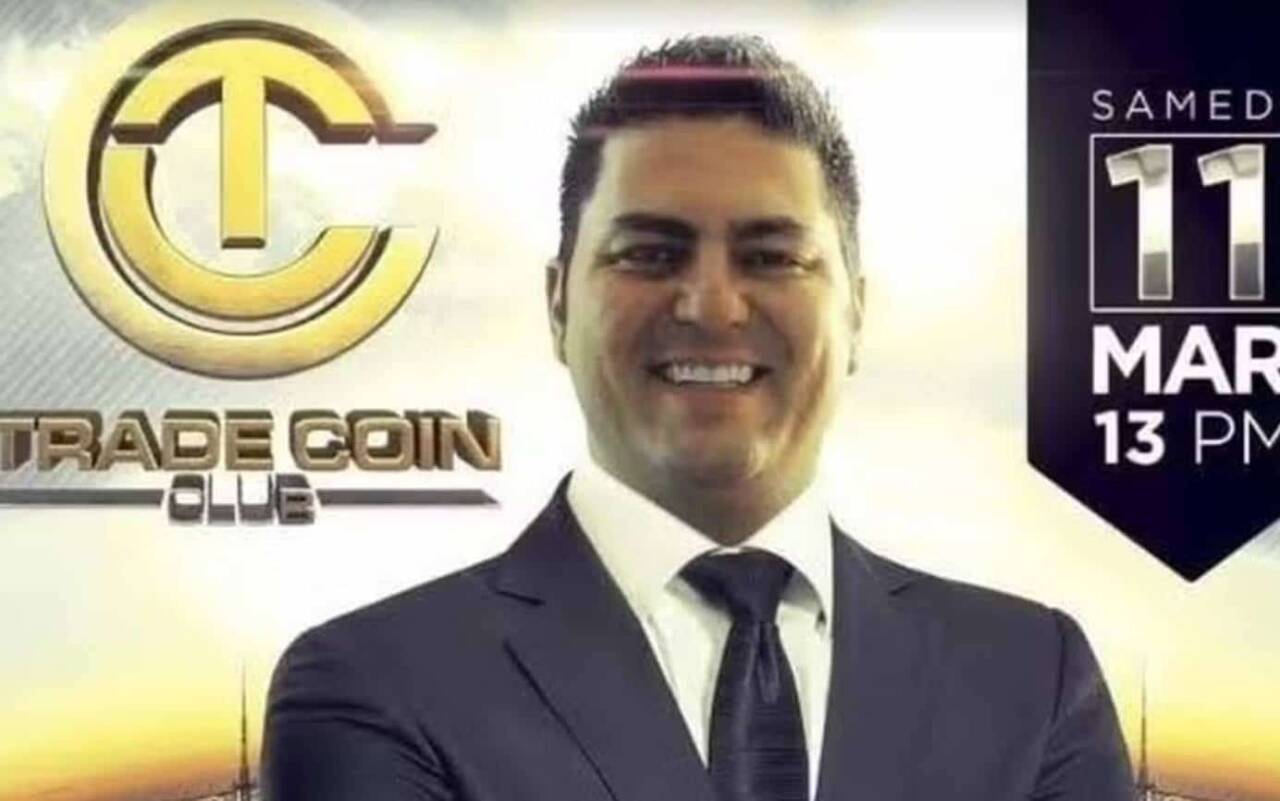
The scheme, known as Trade Coin Club, operated under the guise of a multilevel marketing program, promising exorbitant profits through an alleged cryptocurrency trading robot. The promise of daily returns of 0.35% lured investors with the illusion of quick and secure gains. However, investigations revealed that the system functioned as a classic Ponzi scheme, where returns paid to investors came solely from new deposits, with no actual trading activity.
The PF’s action focused on Petrópolis, in the Serrana Region, and Angra dos Reis, on Rio de Janeiro’s Costa Verde, where 11 search and seizure warrants were executed. The Federal Court ordered the seizure of assets and funds worth R$1.6 billion, equivalent to the amount collected by the criminal group between 2016 and 2018. The operation was supported by international agencies, including the FBI, Homeland Security Investigations (HSI), and the Internal Revenue Service Criminal Investigation (IRS-CI), underscoring the complexity and transnational dimension of the case.
- Seizures included:
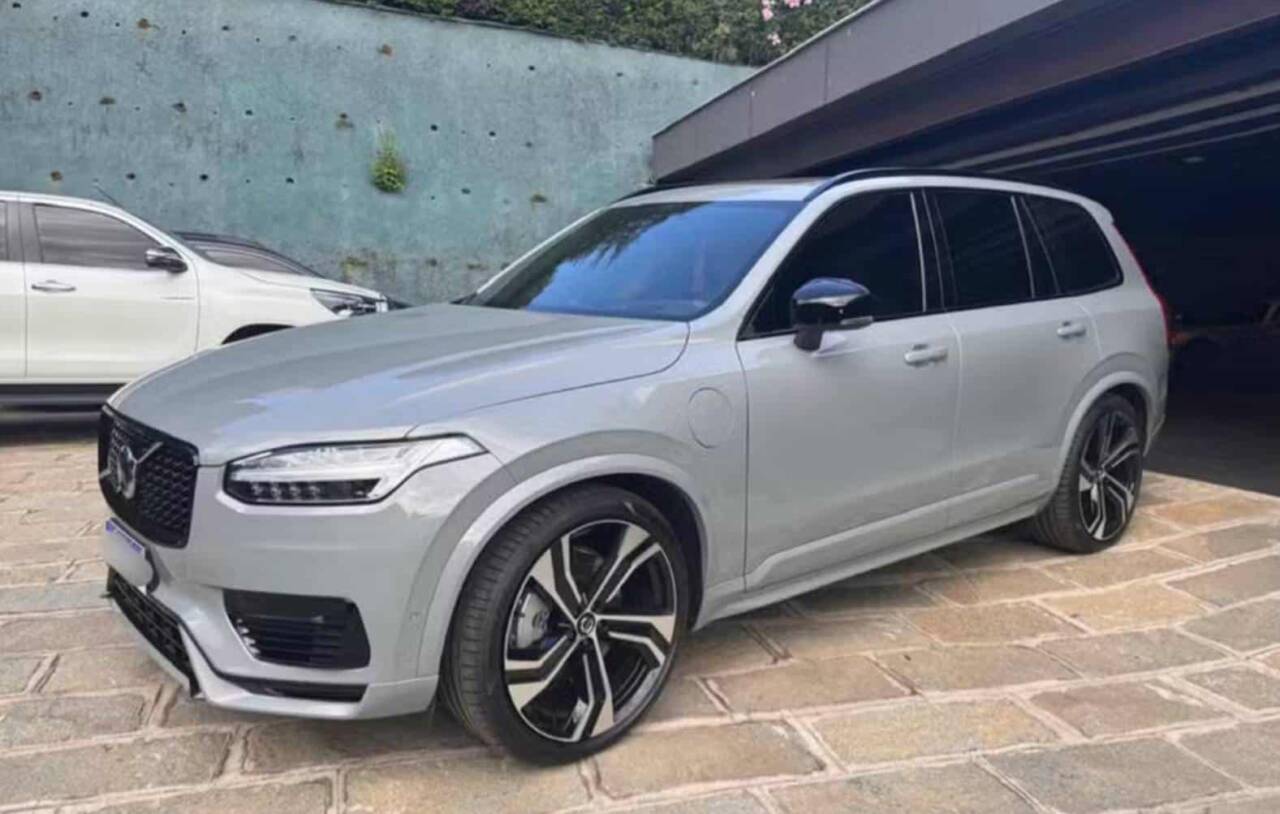
- Luxury cars, such as premium electric models.
- Yachts valued at millions of reais.
- Designer watches and high-value jewelry.
- Cash amounts, still under evaluation.
Origin of the scam
The Trade Coin Club, created and led by Douver Torres Braga, began operating in 2016, capitalizing on the growing global interest in cryptocurrencies. Promoted as a revolutionary investment opportunity, the scheme attracted victims with the promise of an artificial intelligence robot capable of performing “millions of microtransactions per second.” The narrative was compelling: the system would guarantee consistent profits, with minimum returns of 0.35% per day, equivalent to about 11% per month.
In reality, however, the robot never existed. Investigations conducted by the U.S. Securities and Exchange Commission (SEC) revealed that investors’ funds were diverted to Braga’s personal accounts and to a network of promoters who helped expand the scheme. Between 2016 and 2018, the Trade Coin Club collected over 82,000 bitcoins, which, at the time, were worth US$295 million. Converted to current value, the amount would exceed R$1.75 billion, considering Bitcoin’s appreciation in recent years.
Braga, who previously resided in Florida, United States, and currently lives in Brazil, structured the Trade Coin Club as a multilevel marketing program, where participants were encouraged to recruit new investors to earn commissions. This dynamic fueled the scheme’s exponential growth but also hastened its unsustainability. When withdrawals began to outpace deposits in mid-2017, the system collapsed, leaving thousands of investors without access to their funds.
Mechanism of the Ponzi scheme
The Trade Coin Club operated as a classic Ponzi scheme, where promised profits were not generated by legitimate activities but by funds from new investors. The SEC detailed that withdrawals requested by participants were paid exclusively with deposits from other investors, with no connection to actual cryptocurrency market trading.
The promise of fixed daily returns was a key attraction. Investors were convinced that the alleged trading robot operated with high precision, capitalizing on small market fluctuations to generate consistent profits. To bolster credibility, the scheme’s leaders presented falsified reports and dashboards that simulated gains, creating the illusion of a sophisticated and reliable system.
Additionally, the Trade Coin Club sold membership packages that functioned as investment contracts, classified by the SEC as securities. These packages, however, were not registered with regulatory authorities, violating U.S. securities laws. The lack of transparency and absence of official records were clear signs of irregularity, but many investors, lured by the promise of quick profits, overlooked these warnings.
- Characteristics of the scheme:
- Promise of fixed returns of 0.35% per day.
- Use of multilevel marketing to attract new investors.
- Falsified reports to simulate profits.
- Diversion of funds to personal accounts and promoters.
Global impact
The reach of the Trade Coin Club was staggering. With over 100,000 investors defrauded across multiple countries, the scheme exploited the cryptocurrency craze at a time of minimal regulation in the sector. Countries such as Brazil, Portugal, Finland, and South Korea reported victims, and local authorities collaborated with U.S. investigations to track diverted funds.
In Brazil, at least 2,500 investors were directly affected, with losses ranging from small investments to significant sums. Many of these investors were ordinary people, drawn by the prospect of multiplying their resources in a seemingly promising market. The lack of knowledge about cryptocurrencies and the absence of robust regulation at the time facilitated the scam’s expansion.
The consequences for victims were devastating. Many lost savings accumulated over years, while others faced severe financial difficulties after investing borrowed funds. The inability to recover funds, due to the decentralized nature of cryptocurrencies and the complexity of tracking transactions, exacerbated the scam’s impact.
Federal Police actions
Operation Fantasos marks a milestone in combating financial fraud in Brazil. Initiated following information exchanges with international authorities, the action aimed to collect additional evidence, identify other involved parties, and recover assets acquired with the scheme’s profits. The 11 search and seizure warrants were executed at addresses linked to suspects and companies allegedly used as fronts for money laundering.
In Petrópolis, agents seized electric cars from brands like Tesla and Porsche, as well as luxury watches valued at tens of thousands of reais. In Angra dos Reis, a yacht was confiscated, reinforcing suspicions that the scheme’s profits were used to sustain an extravagant lifestyle. The seizures are only a fraction of the total assets frozen, which include bank accounts, real estate, and other assets in Brazil and abroad.
The Federal Court ordered the seizure of R$1.6 billion in assets and funds, an amount that reflects the scale of the losses caused to investors. The PF is now working to track diverted funds, many of which were transferred to cryptocurrency wallets and offshore accounts. Blockchain analysis techniques have been crucial in mapping these transactions, but full recovery of the funds is considered a challenge due to the anonymous nature of some operations.
- Assets seized in Operation Fantasos:
- Luxury cars, including electric models.
- High-value yacht in Angra dos Reis.
- Designer watches and jewelry.
- Cash and financial assets.
Douver Torres Braga’s involvement
Douver Torres Braga, identified as the mastermind behind the Trade Coin Club, is a central figure in the scheme. Having lived in Florida, United States, he moved to Brazil before being arrested in Switzerland in February 2025. The arrest, carried out by Interpol, was a development of investigations led by the SEC, which issued an international arrest warrant.
Braga is accused of diverting at least 8,396 bitcoins, equivalent to US$55 million at the time of the scheme. These funds were used to finance a lavish lifestyle, including the purchase of real estate, vehicles, and other high-value assets. The SEC also noted that he coordinated a network of promoters responsible for attracting new investors in exchange for generous commissions.
Braga’s extradition to the United States marked a significant advance in the case. He faces charges of fraud, securities law violations, and money laundering. If convicted, he could face severe penalties and be required to repay the diverted funds. In Brazil, investigations continue to determine whether other individuals or local companies were directly involved in the scheme.
Role of promoters
In addition to Braga, three others were charged by the SEC in 2022 for their involvement in the Trade Coin Club: Joff Paradise, Keleionalani Akana Taylor, and Jonathan Tetreault. Each played a strategic role in promoting the scheme, using social media, in-person events, and personal contacts to attract investors.
Joff Paradise, who lived in Nevada before moving to Panama, is accused of leading marketing efforts in the United States. He reportedly received 238 bitcoins, equivalent to US$1.4 million, as payment for his activities. Keleionalani Taylor, one of the scheme’s top recruiters, operated from Washington and later Hawaii. She amassed 735 bitcoins, about US$2.6 million. Jonathan Tetreault, based in Massachusetts, received 158 bitcoins, approximately US$625,000.
Tetreault, unlike the others, opted for a settlement with the SEC, accepting the charges without admitting or denying guilt. The agreement, pending judicial approval, may reduce his penalty, but the other promoters face ongoing legal proceedings. The network of promoters was essential to the Trade Coin Club’s operation, as it created an appearance of legitimacy and encouraged new investor participation.
Trade Coin Club timeline
The Trade Coin Club operated during a period of great enthusiasm for the cryptocurrency market, which facilitated its expansion. Below is a timeline of key events related to the scheme:
- December 2016: Douver Torres Braga founds the Trade Coin Club, promoting it as a cryptocurrency investment platform.
- June 2017: The scheme reaches its peak, with massive deposits from investors drawn by profit promises.
- September 2017: Withdrawals begin to outpace deposits, signaling the start of financial collapse.
- November 2017: The Trade Coin Club launches “TCoin,” its own currency, as part of an exit-scam strategy.
- January 2018: The platform announces the end of operations in the United States, blocking American investors’ accounts.
- May 2018: The scheme collapses completely, leaving thousands of investors without access to funds.
- November 2022: The SEC announces charges against Braga and three promoters, detailing the Ponzi scheme’s operations.
- February 2025: Braga is arrested in Switzerland and extradited to the United States.
- April 2025: The PF launches Operation Fantasos, seizing assets in Brazil.

Cryptocurrency context
The Trade Coin Club case reflects a period of minimal regulation in the cryptocurrency market, when fraudulent schemes proliferated by exploiting investors’ lack of knowledge. Between 2016 and 2018, Bitcoin saw significant appreciation, rising from about US$400 to peaks of nearly US$20,000. This movement attracted millions to the market, many without investment experience.
Schemes like the Trade Coin Club capitalized on this euphoria, using technical jargon and promises of advanced technology to deceive victims. The lack of clear legislation in many countries hindered oversight, allowing fraudsters to operate with relative impunity. In Brazil, the Securities and Exchange Commission (CVM) began issuing warnings about pyramid schemes only in 2017, when the Trade Coin Club was already in full swing.
Today, the regulatory landscape is more robust, with agencies like the CVM and the Central Bank monitoring cryptocurrency-related activities. However, the decentralized nature of cryptocurrencies still poses a challenge for authorities, especially in cases involving international transactions.
International cooperation
Operation Fantasos exemplifies how cooperation between agencies from different countries is essential to combat global financial crimes. The involvement of the FBI, HSI, and IRS-CI was crucial in tracking funds diverted by the Trade Coin Club, many of which passed through accounts in tax havens and anonymous cryptocurrency wallets.
Interpol played a pivotal role in Braga’s arrest, demonstrating the importance of international intelligence networks. Additionally, authorities from countries like Portugal, Finland, and South Korea contributed information about local victims, helping to map the scheme’s extent. This collaboration reflects the growing complexity of financial crimes, which often cross borders and require coordinated responses.
In Brazil, the PF has intensified efforts to combat cryptocurrency-related fraud. In recent years, operations like Kryptos and Pharaoh’s Pyramid dismantled similar schemes, albeit on a smaller scale. The experience gained in these actions has enabled the PF to refine its investigative techniques, particularly in the use of blockchain analysis tools.
Fraud prevention
Schemes like the Trade Coin Club highlight the importance of educating investors about the risks of the cryptocurrency market. Financial authorities recommend caution when evaluating investment opportunities, especially those promising guaranteed returns or using multilevel marketing structures.
Some tips to avoid fraud include:
- Research the company or platform’s reputation before investing.
- Be wary of promises of fixed or very high profits in the short term.
- Verify if the company is registered with regulatory bodies, such as the CVM or SEC.
- Avoid sharing personal or financial information with strangers.
- Consult reliable sources, such as Investor.gov, to identify fraud warning signs.
Financial education is a powerful tool to protect investors. In Brazil, initiatives like the CVM’s Financial Education program and Central Bank campaigns aim to guide the public on the dangers of fraudulent schemes, promoting more informed decisions in the investment market.
Challenges in asset recovery
Recovering the funds diverted by the Trade Coin Club is one of the greatest challenges faced by authorities. While Operation Fantasos resulted in the seizure of significant assets, the total amount collected by the scheme far exceeds the value of the confiscated assets so far. The decentralized nature of cryptocurrencies complicates fund tracking, especially when transferred to anonymous wallets or converted into other currencies.
Furthermore, the dispersion of assets across different countries requires international agreements for asset repatriation. In Braga’s case, part of the funds was invested in real estate and luxury goods in Brazil, but there are indications that offshore accounts and investments in other countries were also used to hide profits.
The Brazilian Federal Court is working with U.S. courts to ensure that seized assets are used to compensate victims. However, the process’s complexity and the large number of affected investors make restitution a long-term goal.
Case legacy
The Trade Coin Club case offers important lessons for investors and regulators. For investors, it serves as a warning about the need for due diligence when evaluating cryptocurrency market opportunities. For authorities, it reinforces the importance of developing tools and regulations capable of keeping pace with the digital financial sector’s evolution.
In Brazil, Operation Fantasos solidifies the Federal Police’s position as an active force in combating international financial crimes. The partnership with foreign agencies and the use of advanced technologies, such as blockchain analysis, demonstrate a commitment to protecting citizens and maintaining the financial system’s integrity.
The impact of the Trade Coin Club is still felt by thousands of victims, many of whom struggle to rebuild their finances. The fight against financial fraud continues, with the hope that cases like this serve as examples to prevent future scams.
- Lessons from the case:
- Importance of financial education for investors.
- Need for stricter regulation in the cryptocurrency market.
- Value of international cooperation in combating financial crimes.
- Use of technologies like blockchain to track fraud.