

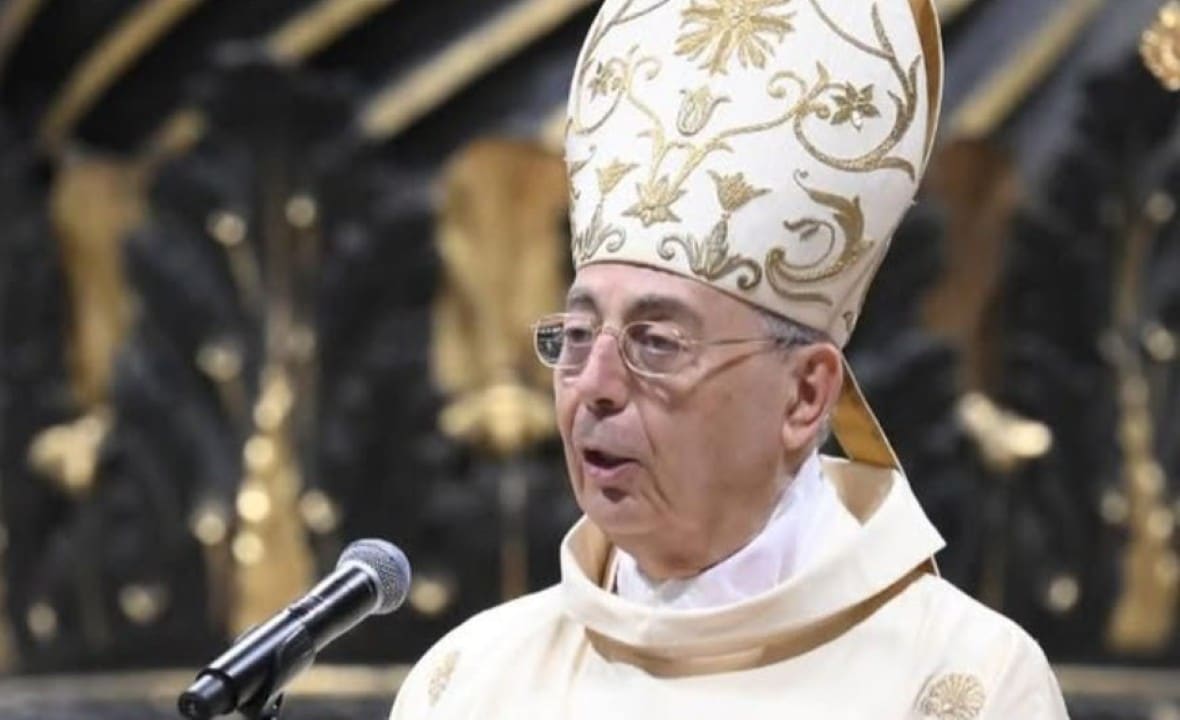
The election of a new pope is steeped in centuries-old tradition. From the central balcony of St. Peter’s Basilica, a senior cardinal declares the iconic “Habemus Papam” to the world. In 2025, following the passing of Pope Francis, this responsibility falls to Dominique Mamberti, a 73-year-old cardinal with a distinguished career in Vatican diplomacy and administration.
Scheduled to begin on May 7, the conclave will gather cardinals from across the globe in the Sistine Chapel. The selection of the new leader for the Catholic Church, which represents 1.4 billion faithful, is a secretive and ritualistic process. As protodeacon, Mamberti will present the elected pope to the crowds in St. Peter’s Square.
Once white smoke signals the election, Mamberti’s announcement will mark a moment of global anticipation. Beyond proclaiming the new pope’s name, he will also present the Ring of the Fisherman, a symbol of the papacy. Broadcast to millions worldwide, the event underscores the Church’s enduring continuity.
- Who is Dominique Mamberti? A Moroccan-born cardinal with French citizenship.
- Role in the conclave: Protodeacon, tasked with the “Habemus Papam” announcement.
- Announcement location: The Loggia of Blessings, St. Peter’s Basilica.
- Expected date: After the conclave, starting May 7, 2025.
Dominique Mamberti’s journey
Born in Marrakech, Morocco, in 1952, Dominique Mamberti has built a career blending diplomacy and ecclesiastical leadership. He joined the Holy See’s diplomatic service in the 1980s, serving in nations like Sudan, Eritrea, and Somalia. His work in conflict zones and diverse cultural settings shaped his approach to interfaith dialogue. In 2006, Pope Benedict XVI appointed him Secretary for Relations with States, placing him at the heart of the Vatican’s international negotiations.
Elevated to cardinal in 2015 by Pope Francis, Mamberti later became prefect of the Supreme Tribunal of the Apostolic Signatura. In 2024, he was named protodeacon, a role that entrusts him with announcing the new pope. His appointment reflects the Vatican’s trust in his discretion and ability to handle high-profile moments.
Mamberti’s ceremonial duties extend beyond the announcement. He will present the Ring of the Fisherman to the new pontiff and participate in significant papal events, such as the inaugural Mass. His international experience, spanning Africa and Europe, makes him a distinctive figure in the College of Cardinals.
Meaning of “Habemus Papam”
The Latin phrase “Habemus Papam,” meaning “We have a pope,” is proclaimed by the protodeacon from the balcony of St. Peter’s Basilica. It signals the conclave’s conclusion and the election of a new pontiff. Dating back to the 13th century, this ritual remains one of the Catholic Church’s most iconic moments.
After the election, the protodeacon steps onto the Loggia of Blessings and announces the new pope’s name, followed by the chosen papal name. The crowd in St. Peter’s Square, often numbering tens of thousands, awaits in silence until the words confirm the papacy’s continuity.
- Origin of the term: Rooted in Latin, used in ecclesiastical ceremonies.
- Announcement site: Central balcony of St. Peter’s Basilica.
- Significance: Official confirmation of the papal election.
- Tradition: Followed by the new pope’s presentation to the crowd.
Broadcast live to billions, the moment resonates globally. In 2013, when Francis was elected, Cardinal Jean-Louis Tauran delivered the “Habemus Papam” to a worldwide audience. Mamberti now steps into this role amid heightened expectations, as the Church navigates challenges like secularism and ethical debates.
Preparations for the 2025 conclave
Pope Francis’s death in April 2025, following a stroke and heart failure, triggered a series of Vatican rituals. The conclave, set for May 7, will follow the rules of the apostolic constitution Universi Dominici Gregis. Approximately 135 cardinal electors, all under 80, will vote in the Sistine Chapel.
Preparations involve arranging the Casa Santa Marta for the cardinals’ accommodation and adapting the Sistine Chapel for voting sessions. Security measures, including sweeps for electronic devices, ensure secrecy. The Vatican has also closed the Sistine Chapel to visitors to focus on logistics.
The election requires a two-thirds majority, with ballots burned after each round. Black smoke indicates no decision, while white smoke signals a new pope. Mamberti’s announcement will cap this meticulous process.
Profile of the protodeacon
At 73, Dominique Mamberti is a reserved yet influential figure. His education includes theological studies in Rome, complemented by decades of Vatican diplomacy. He served as apostolic nuncio in African nations, addressing challenges like ethnic conflicts and humanitarian crises.
- Birth: 1952, Marrakech, Morocco.
- Citizenship: Moroccan and French.
- Career: Holy See diplomat since 1980.
- Current role: Prefect of the Supreme Tribunal of the Apostolic Signatura.
- Protodeacon appointment: 2024, by Pope Francis.
Fluent in French, Italian, and Arabic, Mamberti excels in international settings. Named protodeacon in October 2024, he assumed the role shortly before Francis’s death. Should Mamberti be elected pope, Cardinal Mario Zenari, the next senior deacon, would deliver the announcement.
History of papal announcements
The “Habemus Papam” ritual has evolved over centuries. In earlier times, announcements were less formal, but since the 15th century, the balcony of St. Peter’s Basilica has been the official stage. Each protodeacon adds a unique touch to the moment through tone and delivery.
In 2005, Cardinal Jorge Medina Estévez announced Benedict XVI’s election, while Jean-Louis Tauran presented Francis in 2013. Mamberti, with his ceremonial experience, is expected to uphold the tradition with gravitas.
The protodeacon role is reserved for cardinal-deacons, one of the three orders in the College of Cardinals. Mamberti, appointed cardinal-deacon in 2015, has been groomed for this responsibility throughout his career.
Cardinals tipped for the papacy
While Mamberti is not a frontrunner, the 2025 conclave features prominent candidates. Cardinals like Pietro Parolin, Vatican Secretary of State, and Matteo Zuppi, Archbishop of Bologna, are frequently mentioned in media speculation.
- Pietro Parolin: Moderate diplomat, key to China-Vatican agreements.
- Matteo Zuppi: Progressive, supportive of blessings for LGBTQIA+ couples.
- Robert Sarah: Conservative, critical of liberal social issues.
- Luis Antonio Tagle: Filipino, known for approachable demeanor.
The diversity of candidates reflects the Church’s complex challenges, from balancing tradition with modernity to addressing inclusivity. The new pope, revealed by Mamberti, will inherit issues like minority inclusion and Vatican finances.
Conclave traditions
The conclave is among the Catholic Church’s oldest rituals. Held in the Sistine Chapel, it blends symbolism and secrecy. Cardinals swear an oath of confidentiality before voting, which occurs twice daily.
Ballots are burned after each round, with chemicals producing black or white smoke. White smoke, accompanied by St. Peter’s bells, confirms the election. The chosen cardinal is asked if he accepts and what papal name he will take.
The process can be swift, as in 2013 when Francis was elected in two days, or prolonged, like the 1268 conclave that lasted nearly three years. In 2025, a shorter conclave is anticipated due to the larger number of electors and the need for stability.
Mamberti’s ceremonial role
Beyond the “Habemus Papam,” Mamberti has additional duties. He will present the Ring of the Fisherman, a symbol of papal authority, and participate in the new pope’s inaugural Mass. His presence in official ceremonies reinforces the papacy’s continuity.
Mamberti also presided over the ninth Mass of the Novendiales, a nine-day mourning period for Pope Francis. Held in St. Peter’s Basilica, the ceremony gathered cardinals and faithful to pray for the late pontiff’s soul.
- Ring of the Fisherman: Symbol of papal authority, given to the new pope.
- Inaugural Mass: Ceremony marking the start of the pontificate.
- Novendiales: Nine-day mourning period after a pope’s death.
Expectations for the announcement
Mamberti’s announcement will be a defining moment for the Catholic Church. St. Peter’s Square, filled with faithful and media, will hang on his words. Live broadcasts, amplified by social media, will reach millions in real time.
The event will test the Vatican’s ability to communicate globally. Mamberti, with his diplomatic background, is expected to deliver the announcement with clarity and solemnity. The new pope’s identity, revealed by him, will shape the Church’s future.
Globalized conclave
The 2025 conclave will be the most diverse yet, with 71 countries represented. Cardinals from Africa, Asia, and Latin America highlight the Church’s universality. Seven Brazilian cardinals, including Dom Sérgio da Rocha and Dom Leonardo Steiner, are among the electors.
This diversity shapes conclave discussions. Issues like social justice, climate change, and inclusion gain prominence, building on Francis’s progressive legacy. The new pope, announced by Mamberti, will need to unite a globalized Church.
Symbols of the papacy
The “Habemus Papam” announcement is the start of several rituals. After the proclamation, the new pope delivers his first Urbi et Orbi blessing from the balcony. He wears one of three pre-prepared papal vestments in different sizes.
The Ring of the Fisherman, presented by Mamberti, is engraved with the new pope’s name. Destroyed after a pope’s death or resignation, it symbolizes papal authority. These rituals tie the present to the Church’s ancient traditions.
- Urbi et Orbi: Papal blessing to the city and the world.
- Papal vestments: White garments in three sizes.
- Ring of the Fisherman: Symbol destroyed at the end of a pontificate.
Francis’s legacy
Pope Francis’s death at 88 ended a transformative pontificate. As the first Latin American pope, he championed mercy and inclusivity. His focus on social issues shaped the profile of the 2025 electors.
Mamberti, who served under Francis, embodies elements of this legacy. His role as protodeacon reflects a Vatican that prioritizes global dialogue. The new pope, announced by him, will inherit both the achievements and challenges of Francis’s era.
St. Peter’s Square preparations
St. Peter’s Square is being readied to host thousands during the conclave. Large screens will display the Sistine Chapel’s chimney, where white smoke will signal the election. Security barriers and media teams are already in place.
Mamberti’s announcement will be broadcast through loudspeakers, ensuring all in the square hear clearly. The crowd, including pilgrims, tourists, and reporters, creates a unique atmosphere of anticipation. The event reinforces the Vatican’s role as a global spiritual hub.
Mamberti’s diplomacy
Mamberti’s diplomatic experience equips him for high-visibility moments. His work in African nations like Sudan and Somalia required navigating complex conflicts. At the Vatican, he contributed to agreements with Middle Eastern countries.
This background makes him a fitting choice for protodeacon. The “Habemus Papam” announcement demands not only solemnity but also the ability to convey unity during a transition. Mamberti’s career has prepared him for this role.
Influence of cardinal electors
The 135 cardinal electors bring diverse perspectives to the conclave. Representatives from Mexico, India, and Ukraine broaden the Church’s global scope. The seven Brazilian cardinals underscore Latin America’s significance.
Electors like Dom Sérgio da Rocha, Archbishop of Salvador, and Dom Leonardo Steiner, of Manaus, align with Francis’s progressive vision. Their influence may shape the new pope’s selection, announced by Mamberti, marking the culmination of this diverse process.
Technology and communication
The 2025 “Habemus Papam” broadcast will leverage advanced technology. High-definition cameras will capture every detail from the balcony, while social media amplifies the reach. In 2013, Francis’s election sparked millions of real-time posts.
The Vatican has upgraded its infrastructure to ensure seamless transmission. Mamberti’s words will reach beyond St. Peter’s Square to faithful across continents, reinforcing the Church’s universal mission.
Ritual curiosities
The conclave is rich with unique details. Ballot burning, for instance, uses chemicals to ensure the correct smoke color. Black smoke, produced with pitch, signals no election, while white smoke, made with potassium chlorate, confirms a new pope.
- Black smoke: Indicates no election.
- White smoke: Signals the new pope’s election.
- St. Peter’s bells: Ring to confirm the choice.
- Ballots: Burned after each voting round.
Another detail is the Room of Tears, where the new pope dons papal vestments. Named for the emotional weight felt by many elected popes, it precedes Mamberti’s announcement, marking the start of a new pontificate.