Maggie Gyllenhaal’s daughter arrested during chaotic Columbia University demonstration

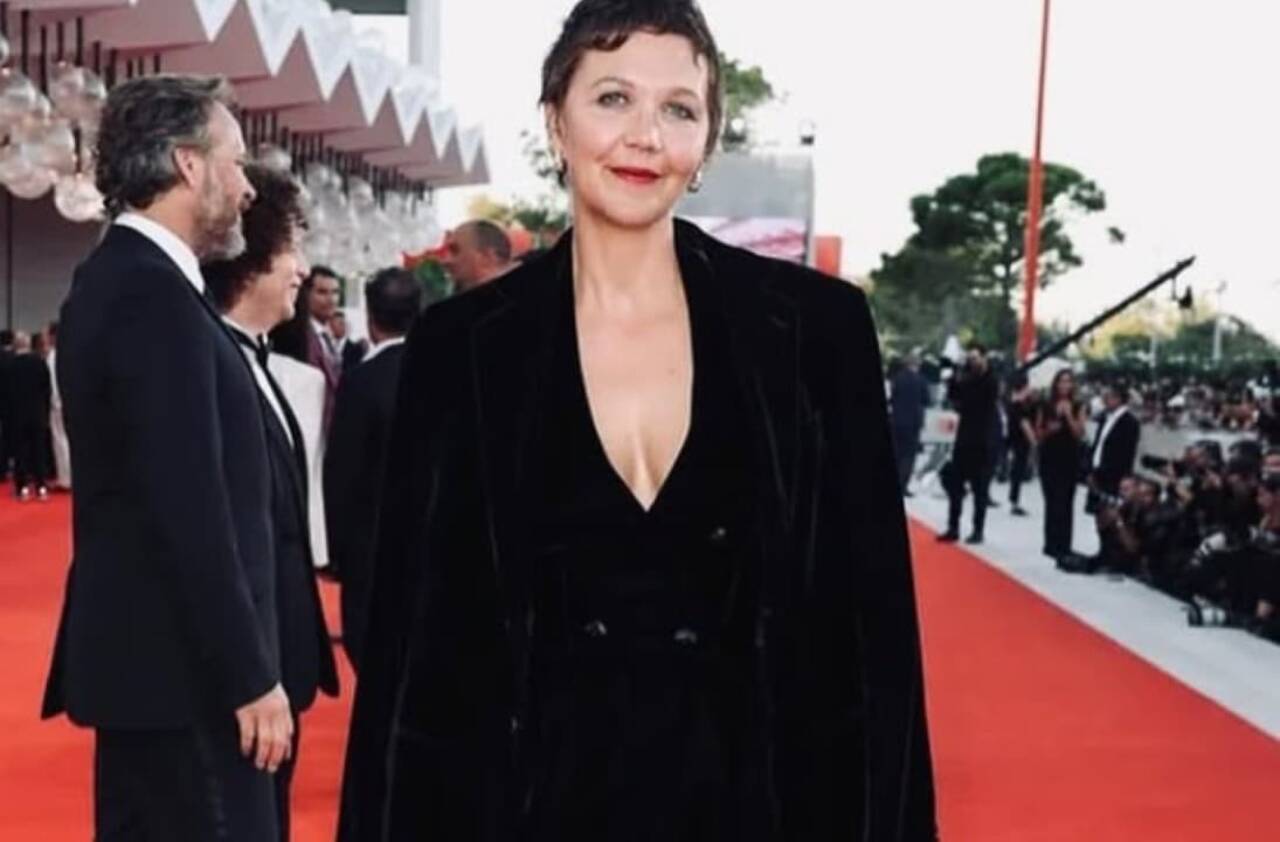
Ramona Sarsgaard, an 18-year-old student at Columbia University and daughter of actors Maggie Gyllenhaal and Peter Sarsgaard, was among dozens arrested during a pro-Palestinian protest that disrupted campus operations. The demonstration, which unfolded at the university’s Butler Library, saw students and activists clash with authorities, resulting in significant chaos. Reports indicate that the protest was part of a broader wave of anti-Israel demonstrations sweeping college campuses, reigniting tensions from similar movements in previous years. The arrests have drawn attention due to Sarsgaard’s high-profile family background, spotlighting the intersection of celebrity and activism.
The incident occurred on May 7, 2025, as protesters stormed the library, demanding divestment from companies tied to Israel. Columbia University officials, citing safety concerns, called in the New York Police Department (NYPD) to clear the area. The university’s response, coupled with the arrests, has sparked debates about free speech, campus policies, and the handling of student protests. Below are key details surrounding the event:
- Scale of the protest: Approximately 80 individuals were detained, with many charged with criminal trespassing.
- Injuries reported: Two university security officers were injured during a crowd surge.
- University’s stance: Columbia emphasized the need to maintain safety and order, justifying police involvement.
This article delves into the circumstances of the protest, Sarsgaard’s involvement, the university’s actions, and the broader context of campus activism, drawing on recent reports from reliable outlets such as The New York Times, NBC News, and The Guardian.
Campus unrest escalates
The protest at Columbia University marked a resurgence of pro-Palestinian activism that had previously gripped the campus in 2024. On the evening of May 7, 2025, a group of demonstrators, including Ramona Sarsgaard, entered Butler Library, a central hub for students preparing for final exams. The activists occupied a room, refusing to leave or provide identification when requested by university officials. Columbia’s administration described the takeover as causing “substantial chaos,” posing risks to students and staff. The decision to involve the NYPD came after repeated warnings to the protesters, who were informed that non-compliance would lead to arrests for trespassing.
The demonstration was not an isolated event but part of a coordinated effort by groups like Columbia University Apartheid Divest, which called for renaming the library the “Basel Al-Araj Popular University.” The group’s demands centered on divestment from companies with ties to Israel, a recurring theme in campus protests nationwide. The library occupation disrupted academic activities, with students uninvolved in the protest allowed to leave after showing identification. The standoff lasted several hours, culminating in the NYPD’s intervention, which saw dozens of protesters, including Sarsgaard, detained with plastic zip-ties and transported in police vans.
Ramona Sarsgaard’s role
Ramona Sarsgaard, a freshman at Columbia University, was among the 80 individuals arrested during the protest. Charged with criminal trespassing, her involvement has drawn significant media attention due to her parents’ prominence in Hollywood. Maggie Gyllenhaal, an acclaimed actress and director, and Peter Sarsgaard, a seasoned actor, have largely kept their family life private, making Ramona’s arrest a rare public moment for the family. While it remains unclear whether Ramona was a leading organizer or a participant, her presence at the protest aligns with a growing trend of young activists engaging in high-profile demonstrations.
The 18-year-old’s arrest has sparked varied reactions. Some view her actions as a bold stand against perceived injustices, while others criticize the protest as disruptive to academic life. Social media posts on platforms like X have highlighted the incident, with some users praising her commitment and others mocking the involvement of a “nepo baby” in what they call “performative activism.” Despite the polarized opinions, Ramona’s participation underscores the personal stakes for students involved in such protests, regardless of their background.
- Family context: Ramona and her younger sister, Gloria, have occasionally appeared with their parents at public events, such as supporting their uncle Jake Gyllenhaal’s Broadway performance in March 2025.
- Public spotlight: The arrest has thrust Ramona into a national conversation about campus activism and celebrity privilege.
- Legal implications: While specific details of her charges are pending, criminal trespassing typically carries minor penalties, though university sanctions could follow.
Maggie Gyllenhaal's daughter, Ramona Sarsgaard, arrested during Columbia protests https://t.co/lHMtRnzj6X pic.twitter.com/KHJE5kDWVz
— New York Post Metro (@nypmetro) May 9, 2025
University’s response under scrutiny
Columbia University’s handling of the protest has drawn both praise and criticism. Acting President Claire Shipman issued a statement emphasizing the need to ensure campus safety, describing the protesters’ actions as a serious risk to students and staff. The university’s decision to trap protesters inside the library, requiring identification to leave, was a strategic move to isolate those involved. This approach, however, has been criticized by some student groups as an overreach, with accusations that the administration is stifling free speech.
The involvement of the NYPD, requested by Columbia officials, further escalated tensions. Officers in riot gear entered the library, detaining dozens of protesters in a highly publicized operation. The White House, under the Trump administration, commended Columbia’s response, citing it as a model for handling campus unrest. This endorsement comes amid broader political pressures, with the administration threatening funding cuts to universities perceived as lenient toward pro-Palestinian protests.
The incident also highlighted ongoing concerns about the presence of federal immigration authorities on campus. While not directly tied to Sarsgaard’s case, recent arrests of student activists like Mahmoud Khalil and Mohsen Mahdawi by Immigration and Customs Enforcement (ICE) have fueled fears among international students. Columbia’s policy requires law enforcement to present judicial warrants in nonpublic spaces, but the university’s compliance with federal authorities remains a point of contention.
Historical backdrop of campus protests
The May 2025 protest at Columbia echoes a wave of pro-Palestinian demonstrations that swept U.S. college campuses in 2024. Last spring, Columbia was a focal point for such activism, with encampments and mass arrests drawing national attention. The 2024 protests, which called for divestment and an end to university ties with Israel, set a precedent for the recent library occupation. The resurgence of these demonstrations reflects ongoing frustrations among students over the Israel-Gaza conflict and university investment policies.
The 2024 protests culminated in significant administrative changes at Columbia, including heightened security measures and stricter protest guidelines. Despite these efforts, the May 2025 demonstration indicates that tensions remain unresolved. Protesters’ demands for divestment and renaming campus facilities underscore a broader push for institutional accountability, though critics argue that such actions disrupt academic environments and alienate other students.
- Key events of 2024: Columbia saw encampments, building occupations, and over 100 arrests during pro-Palestinian protests.
- National trend: Similar protests occurred at universities like UCLA, NYU, and Yale, with varying degrees of administrative response.
- Policy changes: Columbia introduced new rules limiting protest locations and requiring prior approval for demonstrations.
Injuries and safety concerns
The protest at Butler Library was not without physical consequences. Two university security officers sustained injuries during a crowd surge, described by officials as a chaotic moment when protesters pushed against barriers. While the extent of the injuries was not disclosed, the incident underscored the risks of large-scale demonstrations in confined spaces. Columbia officials cited these injuries as a primary reason for involving the NYPD, arguing that the situation had become unmanageable.
Students caught in the protest, including those not participating, reported feeling trapped and unsafe. The library, typically a quiet study space, became a flashpoint for confrontation, with shouts and chants disrupting the academic atmosphere. The university’s decision to allow non-protesting students to leave after showing identification aimed to minimize disruption for uninvolved individuals, but the process was criticized as slow and intimidating.
Public and political reactions
The arrests, particularly Ramona Sarsgaard’s, have elicited a range of responses from the public and political figures. On X, posts ranged from supportive to critical, with some users framing the protest as a courageous act of solidarity and others dismissing it as disruptive grandstanding. The involvement of a celebrity’s daughter amplified the story’s visibility, with outlets like the Daily Mail and The Daily Beast emphasizing Sarsgaard’s family ties in their coverage.
Politically, the Trump administration’s praise for Columbia’s response aligns with its broader stance on campus protests. The administration has pushed for stricter measures against pro-Palestinian activism, including visa cancellations for international students involved in such demonstrations. This stance has raised concerns about academic freedom, with faculty and student groups arguing that universities are under pressure to suppress dissent.
- Supportive voices: Some activists praised the protesters for raising awareness about the Israel-Gaza conflict.
- Critical perspectives: Others, including some students, expressed frustration over the disruption to finals preparation.
- Political alignment: The White House’s endorsement reflects a broader push to curb campus activism perceived as anti-Israel.
Broader implications for student activism
The Columbia protest highlights the evolving landscape of student activism in the United States. Young people, including figures like Ramona Sarsgaard, are increasingly engaging in high-stakes demonstrations to advocate for political and social causes. The use of tactics like building occupations and library takeovers reflects a willingness to escalate actions to draw attention to their demands.
However, these tactics come with risks, including arrests, university sanctions, and public backlash. For students like Sarsgaard, whose family name carries weight, the consequences may include heightened media scrutiny. The protest also raises questions about the balance between free expression and campus safety, with universities grappling with how to respond without alienating students or faculty.
Columbia’s ongoing challenges
Columbia University faces mounting pressure to address the underlying issues fueling these protests. The demand for divestment from companies tied to Israel remains a central sticking point, with student groups like Columbia University Apartheid Divest vowing to continue their campaign. The university’s investments, which include stakes in multinational corporations, have long been a target for activists seeking to align institutional policies with social justice goals.
The administration’s reliance on police intervention has strained relations with students and faculty, some of whom argue that dialogue, rather than force, is needed to resolve these conflicts. Columbia’s leadership has pledged to review its protest policies, but the path forward remains uncertain as tensions persist.
- Divestment demands: Activists seek transparency in Columbia’s investment portfolio and divestment from specific companies.
- Faculty response: Some professors have called for mediation to address student grievances.
- Student morale: The protests have created a polarized campus environment, with some students feeling unsafe or unheard.
Celebrity and activism intersect
Ramona Sarsgaard’s arrest has brought a unique dimension to the story, highlighting the intersection of celebrity culture and political activism. While her parents, Maggie Gyllenhaal and Peter Sarsgaard, have not publicly commented on the incident, their prominence has amplified media coverage. Gyllenhaal, known for her directorial work on films like The Lost Daughter, has previously spoken about the challenges of parenting, noting in interviews that she strives to support her children’s independence.
The public’s fascination with “nepo babies” has added a layer of scrutiny to Ramona’s actions, with some questioning whether her involvement was driven by genuine conviction or a desire for attention. Regardless, her arrest underscores the personal risks students take when participating in such protests, even those with privileged backgrounds.
Legal and academic consequences
While the legal ramifications for Ramona Sarsgaard and other arrested protesters are still unfolding, criminal trespassing charges typically result in fines or community service. However, the university may impose additional sanctions, such as suspension or probation, particularly for students who violated campus policies. Columbia has not disclosed whether Sarsgaard or others face disciplinary action, but past protests have led to suspensions for key organizers.
The academic consequences could be significant, especially for students nearing graduation. The timing of the protest, during final exams, has raised concerns about disruptions to academic progress for those involved. Columbia has promised to support students affected by the incident, but the long-term impact on campus dynamics remains to be seen.
Looking ahead for campus policies
Columbia University’s response to the May 2025 protest will likely shape its approach to future demonstrations. The administration faces the challenge of balancing free speech with the need to maintain a safe and functional academic environment. The involvement of high-profile students like Ramona Sarsgaard adds complexity, as media attention can amplify the stakes for all parties involved.
The university’s engagement with student groups, its investment policies, and its relationship with law enforcement will remain under scrutiny as it navigates this period of unrest. For now, the arrests at Butler Library serve as a reminder of the deep divisions over the Israel-Gaza conflict and the challenges of addressing them on college campuses.