Violent thunderstorms swept through New Jersey and Pennsylvania on May 16, 2025, prompting urgent warnings from the National Weather Service. The storms, carrying the potential for tornadoes, damaging winds, and flash flooding, disrupted daily life and put residents on high alert. A severe thunderstorm watch covered most of New Jersey and parts of Pennsylvania, with forecasters noting the risk of 70 mph gusts and quarter-size hail. The day’s volatile weather underscored the region’s vulnerability to sudden, destructive storms.
Communities scrambled to prepare as radar tracked fast-moving storm cells. The National Weather Service issued a tornado warning for Cumberland County, New Jersey, and a flash flood warning for the Trenton-Philadelphia corridor. Local authorities urged residents to seek shelter immediately.
- Key threats: Tornadoes, 70 mph wind gusts, quarter-size hail, and torrential rainfall.
- Affected areas: Atlantic, Burlington, Camden, Cape May, Cumberland, Gloucester, Hunterdon, Mercer, Middlesex, Monmouth, Ocean, Salem, Somerset, Warren counties in New Jersey; Bucks, Montgomery, Philadelphia counties in Pennsylvania.
- Safety measures: Seek shelter in basements or interior rooms, avoid windows, and stay out of vehicles or mobile homes.
The storms’ rapid onset left little time for hesitation, with emergency services mobilizing to address potential damage and flooding risks.
Tornado warnings grip Cumberland County
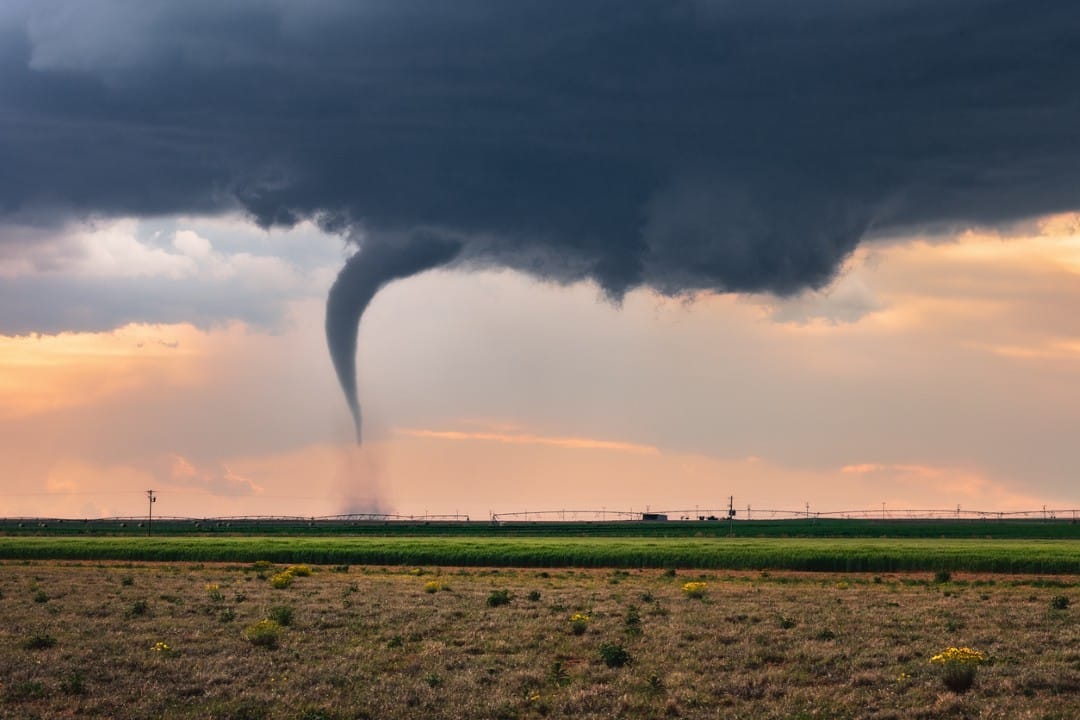
A tornado warning sent shockwaves through Cumberland County, New Jersey, as radar detected rotation near Fairton at 12:42 p.m. on May 16, 2025. The National Weather Service reported a severe thunderstorm moving southeast at 30 mph, capable of producing a tornado and 70 mph wind gusts. Forecasters warned of flying debris, which could pose serious risks to anyone caught outdoors.
The storm’s intensity raised concerns about structural damage. Roofs, windows, and vehicles were particularly vulnerable, with quarter-size hail adding to the threat. Trees, often toppled in such conditions, could further complicate recovery efforts.
Residents were advised to take immediate action. The National Weather Service emphasized moving to a basement or an interior room on the lowest floor of a sturdy building. Those in mobile homes or vehicles were urged to find more secure shelter.
- Tornado warning duration: Until 1:30 p.m. on May 16, 2025.
- Storm movement: Southeast at 30 mph.
- Hazards: Tornado, 70 mph gusts, quarter-size hail.
- Safety tips: Avoid windows, stay low, and use sturdy structures for protection.
Local emergency services monitored the situation closely, ready to respond to reports of damage or injuries.
Flash floods threaten Trenton-Philadelphia corridor
Torrential rainfall accompanied the severe thunderstorms, triggering a flash flood warning for the Trenton-Philadelphia area. The National Weather Service projected up to 4 inches of rain in just one hour, an amount capable of overwhelming drainage systems and flooding low-lying areas. The warning covered Mercer, Burlington, Camden, Gloucester, and Salem counties in New Jersey, as well as Philadelphia, Bucks, and Montgomery counties in Pennsylvania.
Flash floods posed immediate dangers to drivers and pedestrians. Roads could become impassable, and even shallow water was noted as a risk for vehicles. Authorities advised against driving through flooded areas, as just a foot of water can sweep away most cars.
The rapid accumulation of water heightened concerns about infrastructure damage. Homes and businesses in flood-prone areas faced potential inundation, with emergency crews on standby to assist.
Severe thunderstorm watch spans multiple counties
A severe thunderstorm watch blanketed most of New Jersey and parts of Pennsylvania until 5 p.m. on May 16, 2025. The National Weather Service highlighted the potential for small hail, heavy rainfall, and wind gusts reaching 70 mph. The watch included Atlantic, Burlington, Camden, Cape May, Cumberland, Gloucester, Hunterdon, Mercer, Middlesex, Monmouth, Ocean, Salem, Somerset, and Warren counties in New Jersey.
In Pennsylvania, Bucks, Montgomery, and Philadelphia counties were under the same alert. The broad coverage reflected the storm system’s expansive reach, with multiple cells capable of producing severe conditions. Forecasters noted that the combination of high winds and hail could lead to widespread disruptions, including power outages and fallen trees.
Communities prepared for the worst, with schools and businesses monitoring weather updates. The National Weather Service urged residents to stay informed through local news and weather apps.
- Watch duration: Until 5 p.m. on May 16, 2025.
- Primary risks: 70 mph winds, small hail, heavy rain.
- Affected regions: 14 counties in New Jersey, 3 counties in Pennsylvania.

Emergency response ramps up
Local authorities across New Jersey and Pennsylvania mobilized quickly to address the storm’s threats. Emergency management teams coordinated with the National Weather Service to disseminate warnings and safety information. Fire departments and police units prepared for potential rescues, particularly in flood-prone areas.
In Cumberland County, first responders stood ready to assess damage from the tornado warning. Reports of debris and downed trees were expected, with crews equipped to clear roads and restore access. The flash flood warning prompted additional resources in the Trenton-Philadelphia area, where urban flooding could strain infrastructure.
Residents were encouraged to report damage to local authorities but avoid non-emergency calls to keep lines open. Community shelters opened in some areas to accommodate those displaced by flooding or structural damage.
Safety measures emphasized by officials
The National Weather Service and local officials issued clear guidance to protect residents during the severe weather. Taking cover in a sturdy building was the top recommendation, with basements or interior rooms offering the best protection. Windows posed a significant risk due to potential shattering from hail or debris.
For those caught outdoors, finding shelter was critical. Mobile homes, often vulnerable to high winds, were deemed unsafe during the storm. Drivers were advised to pull over and seek a sturdy structure if a tornado warning was issued.
Flood safety was equally urgent. The National Weather Service warned against walking or driving through floodwaters, as even shallow depths could be deceptive. Residents were urged to move to higher ground if flooding began.
- Tornado safety: Move to a basement or interior room, avoid windows, and stay low.
- Flood safety: Avoid floodwaters, move to higher ground, and do not drive through flooded roads.
- General precautions: Stay informed, report damage, and follow local guidance.
Historical context of severe storms in the region
New Jersey and Pennsylvania have faced severe weather events in recent years, with tornadoes and flash floods becoming more frequent. In August 2023, a tornado watch covered parts of both states, with damaging winds and hail reported. The remnants of Hurricane Ida in 2021 caused catastrophic flooding, particularly in the Trenton-Philadelphia area, highlighting the region’s susceptibility to heavy rainfall.
The National Weather Service has noted an uptick in severe thunderstorm activity along the East Coast, driven by warmer temperatures and increased atmospheric moisture. These conditions create fertile ground for storms capable of producing tornadoes and flash floods.
Local governments have since invested in improved warning systems and infrastructure upgrades. However, the rapid onset of storms like those on May 16, 2025, continues to challenge preparedness efforts.
Community reactions to the storm threat
Residents across New Jersey and Pennsylvania took swift action as warnings blared on phones and televisions. In Cumberland County, families huddled in basements, while businesses along the storm’s path closed early. Social media posts reflected a mix of concern and resilience, with many sharing safety tips and weather updates.
In the Trenton-Philadelphia area, commuters faced delays as heavy rain reduced visibility and flooded roads. Some residents expressed frustration over recurring flood risks, citing past events that damaged homes and businesses. Community groups organized to check on vulnerable neighbors, ensuring they had access to shelter and resources.
Schools in affected counties sent students home early or canceled after-school activities. Parents coordinated to keep children safe, with some opting to stay indoors until the storm passed.
Economic concerns from storm damage
Severe storms often carry significant economic consequences, and the May 16, 2025, event was no exception. High winds and hail threatened homes, vehicles, and businesses, with repair costs likely to mount. In Cumberland County, the tornado warning raised fears of structural damage to farms and small businesses, which form the backbone of the local economy.
Flash flooding in urban areas like Philadelphia posed risks to infrastructure, including roads, bridges, and public transit systems. Businesses in flood-prone areas faced potential closures, with lost revenue adding to recovery costs. Insurance companies braced for a surge in claims, particularly for property and vehicle damage.
Local governments prepared to assess damage and allocate resources for repairs. Federal assistance could be sought if the storm’s impact exceeded state and local capacities.
Environmental factors fueling the storms
The severe weather on May 16, 2025, was driven by a potent combination of atmospheric conditions. Warm, moist air from the Gulf of Mexico clashed with a cold front moving through the Northeast, creating instability. This setup fueled the development of thunderstorms capable of producing tornadoes and heavy rainfall.
The National Weather Service noted that high wind shear—changes in wind speed and direction with altitude—enhanced the storms’ rotation potential. This factor was critical in the tornado warning for Cumberland County, where radar detected clear signs of rotation.
Climate trends also played a role. Warmer sea surface temperatures and increased humidity have been linked to more frequent and intense storms in the region. These patterns underscore the need for ongoing monitoring and adaptation.
- Key conditions: Warm, moist air, cold front, high wind shear.
- Tornado trigger: Strong rotation detected by radar.
- Climate influence: Warmer temperatures and increased humidity.
Ongoing monitoring and updates
The National Weather Service maintained close surveillance of the storm system throughout the day. Radar and satellite imagery provided real-time data, allowing forecasters to issue precise warnings. Local news outlets played a critical role in relaying updates, with meteorologists explaining the risks in accessible terms.
Emergency management agencies encouraged residents to stay tuned to official channels for the latest information. The severe thunderstorm watch, set to expire at 5 p.m., could be extended if conditions warranted. Additional tornado or flash flood warnings were possible as the storm system evolved.
Community resilience was evident, with neighbors sharing resources and information. The day’s events served as a reminder of the importance of preparedness in the face of unpredictable weather.
Preparedness efforts for future storms
New Jersey and Pennsylvania have taken steps to bolster resilience against severe weather. Investments in early warning systems have improved the speed and accuracy of alerts, as seen in the rapid issuance of warnings on May 16, 2025. Flood mitigation projects, including upgraded drainage systems, aim to reduce the impact of heavy rainfall.
Community education programs emphasize safety during tornadoes and floods. Schools and businesses conduct regular drills, while local governments distribute guides on emergency preparedness. Residents are encouraged to create emergency kits with essentials like food, water, and flashlights.
Despite these efforts, challenges remain. Aging infrastructure and urban sprawl increase vulnerability to flooding, while rural areas face risks from tornadoes and high winds. Ongoing collaboration between state, local, and federal agencies is essential to address these issues.
- Warning systems: Enhanced radar and communication tools.
- Flood mitigation: Upgraded drainage and infrastructure projects.
- Community preparedness: Drills, education, and emergency kits.